



 Search...
 English
Adaptability of Crate Moulds in Different Production Environments
Introduction to Crate Mould Adaptability
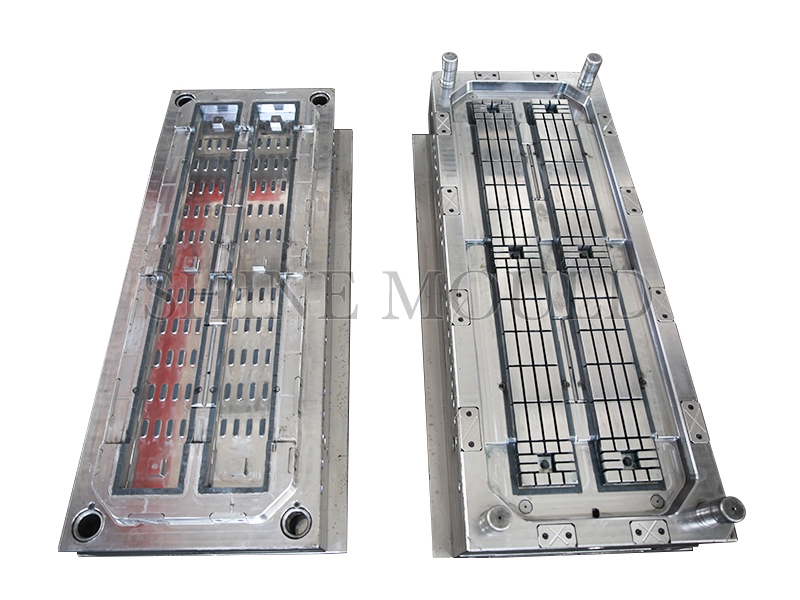
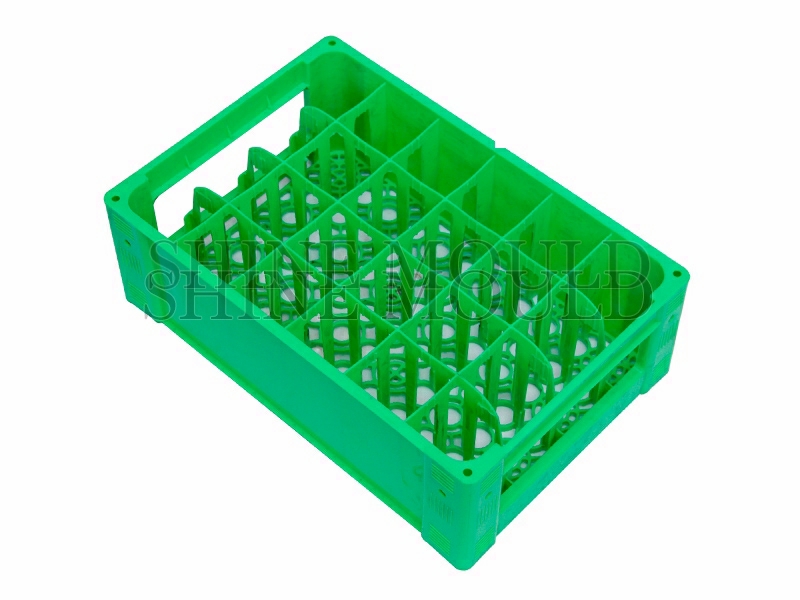
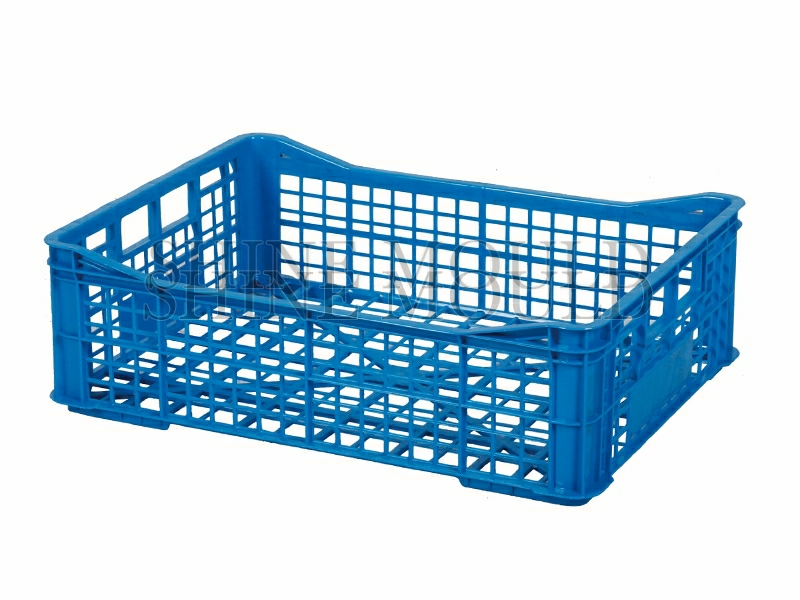
Crate Moulds are essential tools in the manufacturing of crates and containers used across various industries, from agriculture to logistics. The ability of a Crate Mould to adapt to different production environments is crucial for ensuring consistent quality, efficiency, and versatility. Different production conditions, such as temperature variations, material types, and factory layouts, all play a role in how effectively a Crate Mould can perform.
Temperature Variations and Environmental Conditions
Temperature is one of the influential factors affecting the performance of a Crate Mould. In production environments where temperatures fluctuate, such as in outdoor factories or warehouses, the mould must be able to withstand these variations without compromising the quality of the final product. For instance, bad heat can cause certain materials to soften or deform, while excessive cold can make them brittle. Crate Moulds designed with temperature-resistant materials and advanced cooling systems are more adaptable to these conditions, ensuring that they can maintain their shape and precision under fluctuating temperatures.
Material Compatibility Across Environments
Another critical factor that affects the adaptability of Crate Moulds is the type of material being used in the production process. Different environments may require different materials, such as plastics, composites, or metals, which have unique characteristics and processing requirements. For example, a Crate Mould used in an environment that handles high-density polyethylene (HDPE) needs to be designed with a robust, wear-resistant structure to accommodate the material’s rigidity. Conversely, a mould for flexible plastic materials might require a more flexible design. High-quality Crate Moulds are built to accommodate a range of materials, allowing manufacturers to produce crates from various substances, even when working in diverse production environments.
Adaptability to Factory Layouts and Production Lines
The layout and configuration of the production line also play a significant role in how adaptable a Crate Mould can be. Some production environments have automated systems with robotic arms, while others may rely on manual assembly lines. A Crate Mould must be versatile enough to integrate into different factory setups. Moulds with flexible configurations, such as modular designs or adjustable features, can easily be incorporated into diverse production lines, improving workflow and efficiency. Moreover, Crate Moulds that are easy to install, clean, and maintain contribute to better overall adaptability, especially in factories with varying equipment and personnel.
Durability and Maintenance in Challenging Environments
The durability of a Crate Mould is also crucial for its adaptability in harsh or demanding production environments. Moulds used in factories with high dust levels, exposure to chemicals, or heavy wear and tear need to be built with materials that resist corrosion, abrasion, and other environmental factors. Regular maintenance and easy-to-replace components are essential for ensuring that the Crate Mould continues to perform well under challenging conditions. High-quality moulds are designed to decrease downtime, even in environments that demand frequent use and heavy-duty performance.
Optimizing Crate Mould Performance
The adaptability of a Crate Mould in different production environments is crucial for maintaining efficiency and high-quality production standards. Temperature resistance, material compatibility, factory layout flexibility, and durability all contribute to the mould’s performance in varying conditions.
.jpg)
