 Search...
 English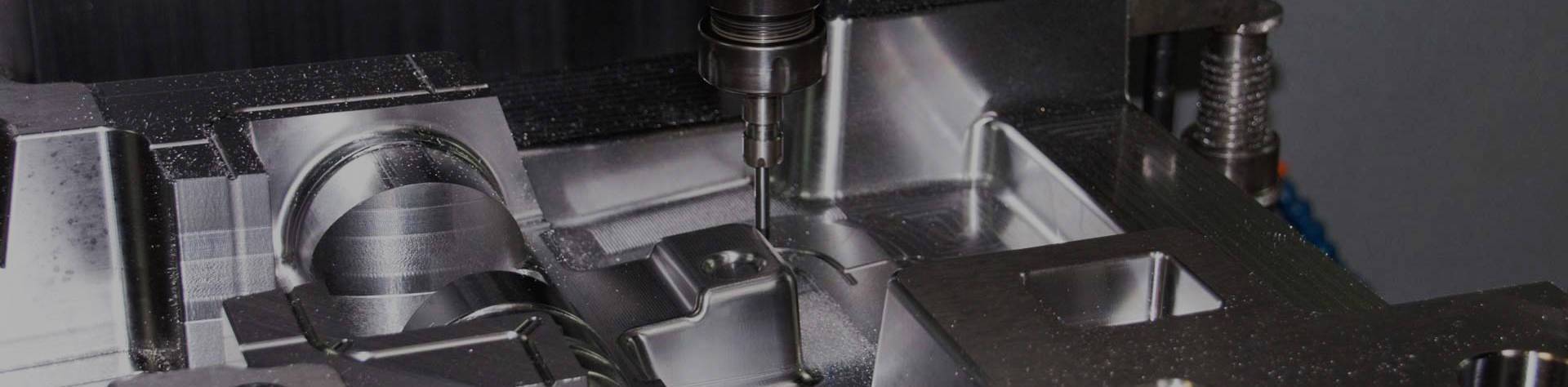
Adapting Package Mould Designs for Various Packaging Dimensions and Shapes
The Importance of Versatile Mould Design
Versatility and precision are key factors that determine the efficiency and quality of the final products. Package moulds play a critical role in shaping materials into consistent and reliable packaging items. As market demands evolve, manufacturers require moulds capable of accommodating a wide range of sizes, shapes, and configurations. The ability of a package mould to adapt to diverse product dimensions directly influences production flexibility, operational efficiency, and overall cost-effectiveness.
Design Considerations for Variable Dimensions
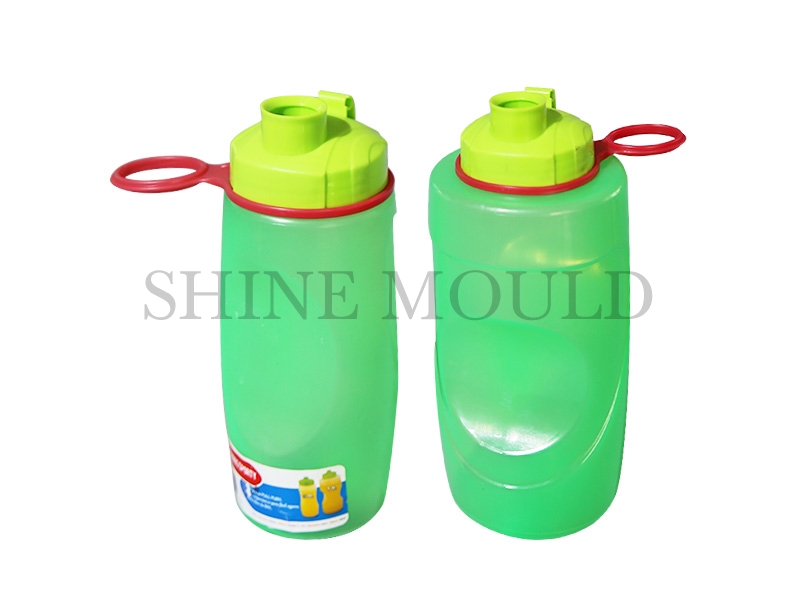
The design of a package mould must take into account a variety of product dimensions to ensure consistent quality across different packaging types. This requires careful planning of cavity size, wall thickness, and draft angles. A well-engineered mould allows for adjustments or modular configurations that can be adapted to different product sizes without compromising performance. Designers must also consider tolerance levels to prevent deviations that could result in defective packaging or production waste.
Accommodation of Complex Shapes
Beyond simple dimensional variation, modern packaging often demands intricate shapes and unique designs to attract consumers and provide functional advantages. Package moulds must therefore support complex geometries, including curves, recesses, and multi-level structures. This requires advanced engineering techniques such as computer-aided design (CAD) and computer-aided manufacturing (CAM) to simulate material flow, cooling patterns, and stress distribution within the mould. Properly designed moulds ensure uniform material filling and reduce defects such as warping, sink marks, or incomplete formations.
Modular and Adjustable Mould Systems
To achieve versatility, many manufacturers implement modular or adjustable mould systems. These systems allow individual components or inserts to be swapped or repositioned, enabling the production of multiple product sizes or designs using a single base mould. Such adaptability reduces the need for multiple dedicated moulds, lowering equipment costs and storage requirements. Moreover, modular systems facilitate faster changeovers between production runs, which is particularly beneficial in industries with frequent product updates or seasonal variations.
Material Selection and Performance
The adaptability of a package mould also depends on the materials used in its construction. High-quality steels and surface treatments ensure durability and resistance to wear, even when producing a variety of sizes and shapes. The choice of material affects heat conduction, shrinkage compensation, and surface finish quality, all of which are critical for maintaining dimensional accuracy and consistent aesthetics across diverse product lines. Additionally, the material must withstand repeated cycles and mechanical stress without deforming or losing precision.
Integration with Automation and Production Lines
Modern package moulds must also be compatible with automated production systems. This requires precise alignment, reliable ejection mechanisms, and integration with robotic or semi-automated handling equipment. A mould that can accommodate different sizes and shapes while maintaining smooth operation within a production line enhances overall efficiency and reduces downtime. This integration ensures that high-volume production can meet market demands without sacrificing quality or flexibility.
Ensuring Flexibility in Packaging Production
The ability of a package mould to adapt to various sizes and shapes is essential for modern packaging manufacturing. Effective design involves consideration of dimensional tolerances, complex geometries, modular components, material selection, and integration with automated production systems. By optimizing these factors, manufacturers can produce high-quality packaging efficiently, reduce costs, and respond quickly to changing market demands. A versatile package mould not only ensures product consistency but also provides the flexibility necessary to support innovation and meet consumer expectations.