 Search...
 English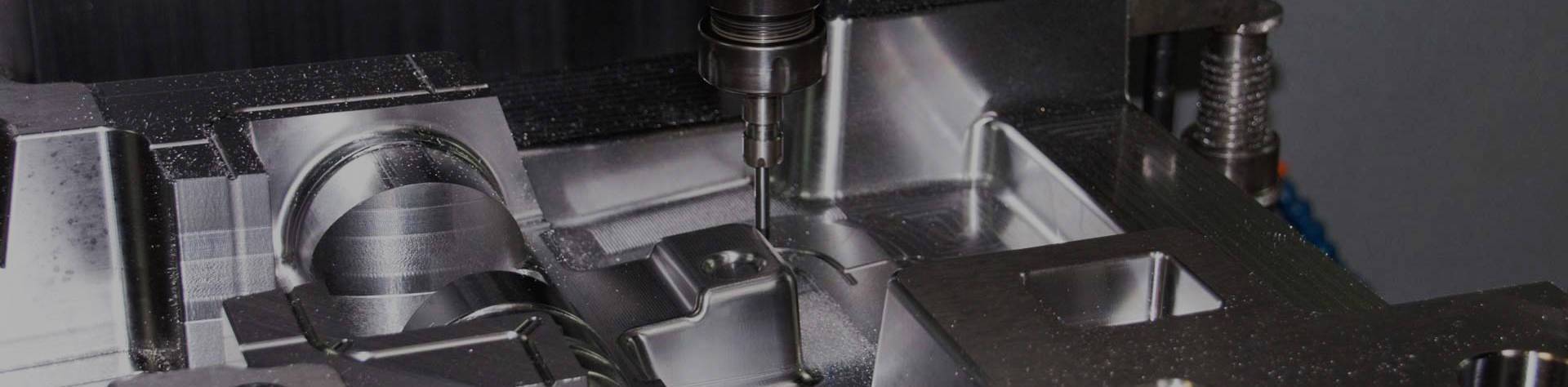
An Inside Look at the Bucket Mould Manufacturing Process
Plastic buckets are everyday items found in homes, factories, farms, and countless other places. Yet, the robustness and utility of each bucket are the result of meticulous design in a Bucket Mould. Crafting such a mould is a technical and meticulous process, encompassing several critical steps to ensure the final product adheres to stringent standards for strength, durability, and aesthetics.
The journey of a high-quality Bucket Mould starts with a comprehensive design phase. In this stage, engineers and designers collaborate to draft a detailed plan outlining the bucket's dimensions, contours, thickness, and specific features. This blueprint considers the bucket's purpose, material composition, and the number of cavities required in the mould.
Advanced software, such as 3D modeling and computer-aided design (CAD), plays a pivotal role in this phase. These tools enable designers to visualize the Bucket Mould, identify potential design flaws early on, and make necessary adjustments to enhance both the bucket's performance and the manufacturing process.
Following the design's approval, the selection of materials for the Bucket Mould is a crucial next step. Given the mould's need to withstand high pressures and temperatures during the injection molding process, manufacturers opt for robust, wear-resistant materials like hardened steel or specialized alloys.
The choice of material impacts the lifespan of the mould and the quality of the final buckets produced. High-quality steel provides better durability and reduces the frequency of maintenance or repairs, which is especially important in high-volume production settings.
After material selection, the actual mould-making process begins. Large blocks of steel are cut and shaped using advanced CNC (computer numerical control) machines. This stage is where the Bucket Mould starts to take form, with the inner cavity and external features carefully carved out according to the design specifications.
Machining requires accuracy to ensure that themould will produce buckets with uniform thickness and clean, smooth surfaces. Small errors in this stage could result in defects in the finished buckets, so attention to detail is critical.
Once the machining is complete, the surface of the Bucket Mould is polished to remove any rough edges or tool marks. A smooth surface is important for both the appearance of the final product and for easy release of the bucket from the mould after injection.
In some cases, additional surface treatments like chrome plating or texturing are applied to improve the Bucket Mould’s durability and finish quality. This step helps protect the mould against corrosion and wear during repeated use.
Moulds are made in multiple parts, including the core, cavity, sliders, and ejector systems. These components are assembled carefully, ensuring that all moving parts function smoothly and that the mould closes and opens without issues during production.
Proper alignment is essential during this stage, as any misalignment can result in uneven wall thickness or flashing (excess material around the product’s edges).
Prior to full-scale production, a Bucket Mould undergoes a meticulous testing phase. Manufacturers initiate this process by conducting trial runs, where they inject plastic into the mould to create prototype buckets. These prototypes are subjected to a series of evaluations, including assessments of their appearance, dimensional precision, wall thickness, and overall quality.
In the event that any defects are detected, the mould is meticulously adjusted to rectify these issues. This critical stage guarantees that once the mould is in regular operation, it will produce products that are both consistent and of high quality.
Upon successfully passing all tests, the Bucket Mould is meticulously cleaned, carefully packed, and shipped to the customer's facility. Many mould manufacturers also extend maintenance guidelines and support services to assist customers in maintaining the mould's ideal performance over time.
Routine maintenance, encompassing cleaning, lubrication, and inspection, is essential for prolonging the life of the Bucket Mould and upholding the quality of the products it manufactures.
The creation of a mould is a process that demands meticulous planning, expert craftsmanship, and thorough testing. Each phase, from the initial design to the finished product, is crucial for ensuring that the mould yields buckets that are not only practical but also reliable for extended periods of use.
Gaining insight into the intricacies of Bucket Mould production fosters a greater appreciation for the everyday plastic items we take for granted. Each robust bucket is the result of a meticulously crafted mould that shapes both the product and the manufacturing process.