 Search...
 English
Can a Pallet Mould Be Customized for Different Pallet Designs
Plastic pallets are used in many areas where goods need to be stored, moved, stacked, or handled. Although a pallet may look like a simple platform, its shape can affect how it performs during everyday use. Different products, storage systems, handling methods, and working environments may call for different pallet structures.
This creates an important question for manufacturers and buyers: can one Pallet Mould be developed around a specific pallet design?
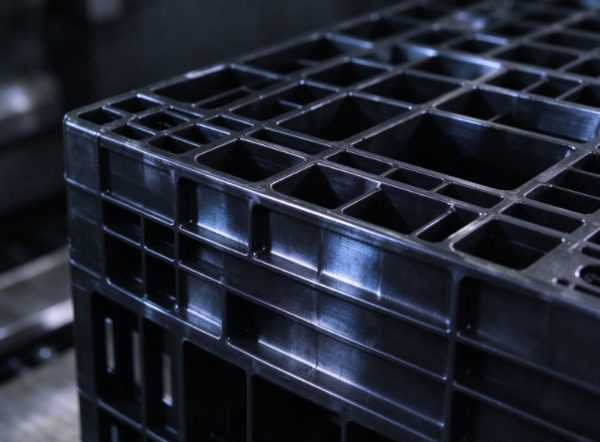
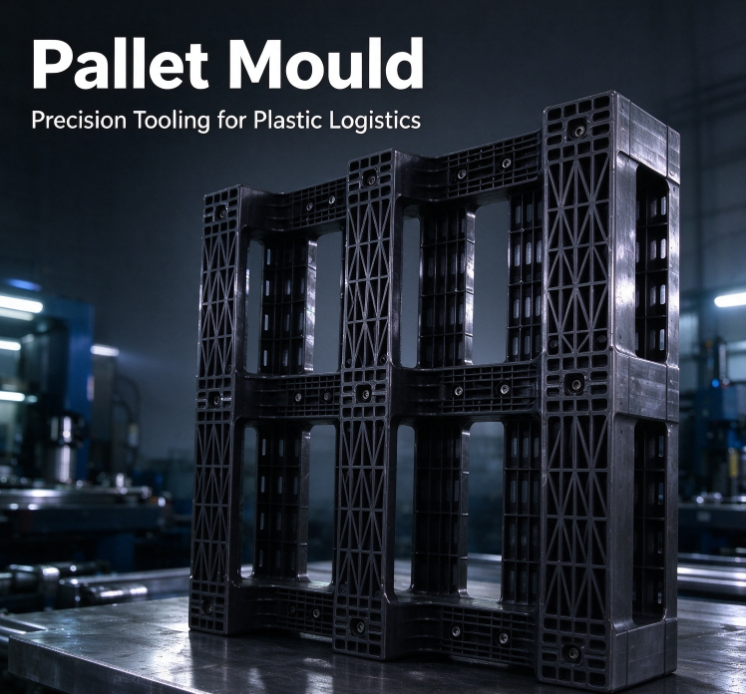
The answer is yes. A Pallet Mould can be customized according to the structure and intended use of the pallet. The mould is not simply a tool for creating the outer shape. Its design also relates to features such as openings, support areas, corners, surfaces, and connection points. These details need to work together so that the finished pallet can be produced in a consistent way.
Customization is therefore closely connected with pallet design. When the pallet has a different structure, the mould may also need to be developed around that structure.
What Parts of a Pallet Can Be Reflected in a Customized Mould?
A plastic pallet can have many structural features. Some designs have open areas between support sections. Others use a more closed surface. Some pallets are designed around particular handling methods, while others focus on storage or repeated movement.
A customized Pallet Mould can be developed around these different design requirements. The mould can follow the planned pallet shape and create the spaces needed for the finished product. This makes mould design an important part of the product development process.
The surface of the pallet is another area that can vary. A flat surface may suit one application, while another design may include raised areas, grooves, or other surface features. The mould needs to reproduce these features as part of the production process.
The underside can also be different. Support structures, feet, openings, and connecting areas may be arranged in different ways. These elements influence how the pallet sits on a floor, interacts with handling equipment, and supports loads.
| Pallet Design Area | Possible Customization |
|---|---|
| Top surface | Surface shape and support features |
| Underside | Foot and support arrangement |
| Openings | Size, shape, and location |
| Corners | Corner structure and edge shape |
| Support areas | Position and overall layout |
| Handling spaces | Open areas for movement and access |
A mould manufacturer therefore needs to understand the pallet design rather than simply reproduce a basic pallet outline.
How Does Pallet Mould Customization Support Different Pallet Structures?
Different pallet designs often come from different practical needs. A pallet used for general storage may not have the same structure as one intended for frequent handling. A pallet designed for a particular product may also need a surface or support layout that is not found on a standard design.
Customization allows the mould to follow these differences.
For example, a buyer may need a pallet with a particular opening arrangement. The opening pattern can affect how the pallet is handled and how its structure is distributed. The mould can be designed around this arrangement so that the finished pallet matches the intended product design.
The same idea applies to the support structure. A pallet may require several support areas under the surface. Their positions can be planned around the overall pallet structure. When the mould is developed according to the design, these areas can be included in the finished product.
Customization can also relate to the overall shape. A pallet may have different edge forms, corner details, or surface layouts. These features can be considered during mould development rather than added as an afterthought.
This approach gives manufacturers more flexibility when developing plastic pallets for different applications.
Can a Pallet Mould Be Designed for Different Sizes and Shapes?
Size and shape are common reasons for developing a customized Pallet Mould.
Not every business needs the same pallet format. Storage areas can have different layouts. Products can have different footprints. Handling systems can also create different space requirements. A pallet design may therefore need to follow the conditions in which it will be used.
A mould can be developed around the required pallet dimensions and shape. This includes the overall outline as well as internal structural features. The goal is to make the mould suitable for producing the planned pallet rather than forcing the pallet design to fit an existing mould.
Shape customization can be particularly useful when the pallet has unusual edges or a special support layout. These details can be incorporated into the mould design so that the finished pallet maintains the intended appearance and structure.
However, customization should begin with a clear product design. The mould cannot be properly developed if the required pallet structure is still changing. Buyers should therefore clarify the main product requirements before mould development begins.
A useful product brief may include:
- The general pallet shape.
- The intended surface structure.
- The support arrangement.
- Required openings and access areas.
- Handling requirements.
- Stacking or storage needs.
- Any special product features.
Clear information gives the mould manufacturer a better basis for developing the tooling around the pallet.
How Does Pallet Mould Design Affect the Finished Pallet?
The relationship between the mould and the finished pallet is direct. The mould forms the basic structure of the product, so its design can influence the appearance, consistency, and practical use of the pallet.
A poorly matched mould design can make it difficult to reproduce certain product features. It may also create challenges during production. This is why mould development needs to consider the pallet as a complete structure.
For example, a pallet with several openings needs enough supporting structure around those areas. The mould design needs to accommodate both the open spaces and the surrounding sections. The same applies to corners and edges. A small design detail can affect how the whole pallet is formed.
Surface design also matters. If the pallet needs a particular texture or raised feature, the mould must be developed to reproduce it consistently. This becomes especially relevant when the same pallet design needs to be produced repeatedly.
The connection between mould design and product design can be viewed in a simple way:
Pallet concept → Product structure → Mould design → Production → Finished pallet
Each stage influences the next. Changes made to the pallet structure may require corresponding changes to the mould.
What Pallet Applications May Require Customized Moulds?
Customized moulds can be useful when standard pallet designs do not match a particular application.
Storage and logistics operations can have different requirements. Some pallets may be used for general movement, while others may be developed around specific products or handling conditions. A customized design allows the pallet structure to reflect those needs.
Manufacturing environments may also use pallets designed around production processes. The pallet may need to support a particular product shape or work with a specific internal handling method. In such cases, the pallet design may include features that are not necessary for general-purpose use.
Warehouse applications can create another reason for customization. A pallet may need to fit a particular storage arrangement or provide a suitable surface for the goods being stored. The mould can be developed around these product requirements.
There are also situations where a business wants to develop its own pallet design rather than use an existing format. This can help create a product that matches its operational needs more closely. The mould then becomes part of the product development process.
Common application considerations include:
- Product size and shape
- Storage method
- Handling requirements
- Stacking needs
- Surface support
- Open-space requirements
- Cleaning and maintenance considerations
- Repeated production needs
The purpose of customization is not simply to make the pallet look different. The design should have a practical reason behind it.
Can a Pallet Mould Support Custom Surface and Support Features?
Yes. Surface and support features are among the areas that can be considered during custom mould development.
The top of a plastic pallet may need to provide a stable area for goods. Depending on the application, the surface can include different structural details. These may help define how products sit on the pallet or how the pallet interacts with other handling equipment.
The underside can also be customized. Support sections can be arranged around the product structure and intended use. The layout may include open areas that allow access during handling or spaces between supports.
Edge and corner features can also be included in the mould design. These details may affect how pallets are stacked, moved, or positioned. Even small changes should be reviewed as part of the complete pallet structure.
When developing these features, manufacturers need to consider how they work together. Adding more details does not automatically make a pallet more suitable. The design should remain practical for production and everyday use.
This is why communication between the pallet buyer and Pallet Mould manufacturer matters. The mould maker needs to understand why a particular feature is required. That information can help guide the mould design.
What Should Buyers Provide to a Pallet Mould Manufacturer?
A clear product brief can make the customization process easier. Buyers do not always need to provide a finished mould design. However, they should explain what the pallet needs to do and what product structure they expect.
A drawing can be useful when available. Product images, sketches, sample pallets, or basic design information may also help communicate the intended structure.
Buyers should explain the main application of the pallet. A mould designed for warehouse storage may have different requirements from one intended for manufacturing or product handling.
It is also useful to discuss the expected production process. The mould manufacturer can then consider how the product design relates to mould development and production requirements.
Important questions include:
- Can the mould follow the proposed pallet structure?
- Which pallet features can be customized?
- How will design changes affect the mould?
- Can the mould support future pallet design adjustments?
- How will the mould be maintained?
- What information is needed before mould production begins?
- Can the manufacturer provide design guidance during development?
These questions help buyers understand what customization involves before placing an order.
How Can Buyers Choose a Pallet Mould Manufacturer for Custom Designs?
Choosing a Pallet Mould manufacturer involves more than checking whether the company produces moulds. For customized projects, buyers should pay attention to communication, design understanding, manufacturing capability, and after-sales support.
The manufacturer should be able to understand the relationship between the pallet design and the mould. This is important when the product includes unusual openings, support structures, surface details, or other custom features.
Communication is another practical consideration. A custom mould may go through several design discussions before production begins. Buyers should be able to explain their product requirements and receive clear feedback about the mould development process.
Experience with plastic pallet moulds can also be relevant. Different pallet structures may create different mould design needs. A manufacturer familiar with this product category may be better prepared to discuss common design considerations.
Buyers can organize their evaluation around several areas:
| Evaluation Area | Questions to Consider |
|---|---|
| Product understanding | Does the manufacturer understand the pallet application? |
| Design support | Can the team discuss custom pallet structures? |
| Mould development | Can the mould follow the proposed design? |
| Communication | Are design changes clearly discussed? |
| Production support | Can the manufacturer support the mould after delivery? |
| Customization | Can the mould be adapted to the required pallet features? |
A customized Pallet Mould is closely connected with the pallet it is designed to produce. When the product structure changes, the mould may need to change with it. Clear product requirements, practical design communication, and careful mould development can help manufacturers create tooling that matches different pallet designs and production needs.