



 Search...
 English
Designing Flexible Crate Moulds for Various Applications
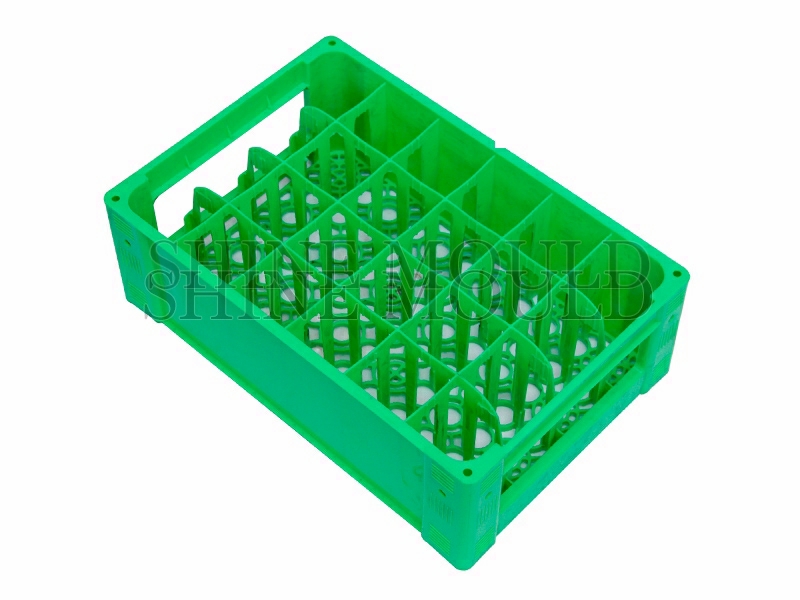
In modern plastic manufacturing, crates are produced in a wide range of sizes and for diverse applications, including storage, transportation, stacking, and agricultural sorting. The flexibility of a Crate Mould to accommodate these variations is crucial for reducing tooling costs and improving production efficiency. A well-designed mould must balance adaptability with structural integrity, ensuring that multiple crate specifications can be produced without compromising quality or performance.
Modular Cavity Design for Multiple Sizes
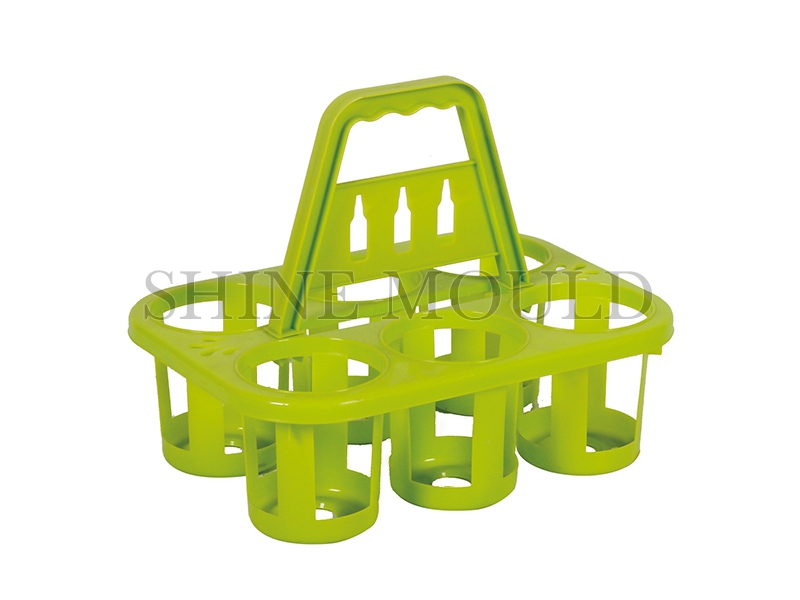
One key approach to achieving flexibility is through modular cavity design. By using interchangeable cavity inserts, a single Crate Mould can produce crates of varying dimensions. These inserts allow manufacturers to adjust the mould quickly without the need to fabricate an entirely new tool for each size. For example, a mould for a medium-sized transport crate can be adapted to produce smaller storage crates simply by replacing the cavity modules. Modular designs also facilitate maintenance, as worn sections can be replaced individually, reducing downtime and repair costs.
Adjustable Cores and Side Actions
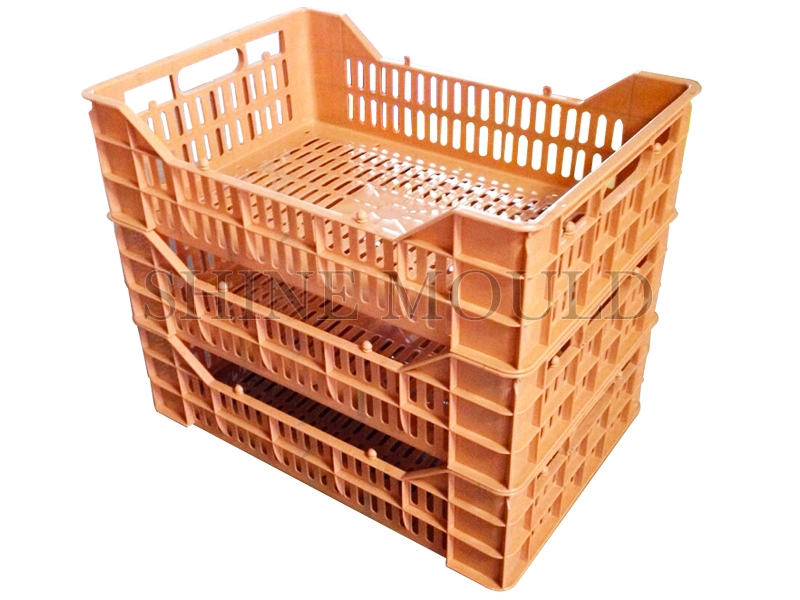
In addition to cavity inserts, adjustable cores and side actions increase mould versatility. Side cores or sliders can create features such as handles, ventilation slots, or reinforced edges in different configurations. By adjusting the position or stroke of these elements, a single mould can accommodate crates with diverse wall thicknesses, ergonomic features, and stacking requirements. This flexibility is especially valuable in agricultural applications, where crates may require perforations or slotted sides for airflow while maintaining strength.
Interchangeable Inserts for Custom Features
Interchangeable inserts provide another layer of adaptability. For crates used in specialized industries, such as food processing or chemical transport, inserts can be customized to incorporate logos, numbering systems, or internal dividers. This approach allows manufacturers to meet specific customer requirements without creating a completely new Crate Mould. Inserts can be designed for rapid swapping, enabling manufacturers to switch production runs efficiently and maintain high output rates.
Flow and Cooling Adaptations
Flexible Crate Mould designs must also consider flow balance and cooling requirements. Adjustable gates and optimized runner systems ensure uniform material distribution across varying cavity sizes. Likewise, modular cooling channels can be repositioned or resized to match the specific crate dimensions, preventing warpage or uneven shrinkage. These features ensure consistent surface finish and structural integrity, regardless of the crate variant being produced.
Cost and Production Efficiency Considerations
The upfront investment in a flexible Crate Mould may be higher than a single-purpose tool, but the long-term savings are significant. A modular, adjustable mould reduces the need for multiple dedicated tools, lowering material costs and storage requirements. Additionally, flexible designs can adapt to evolving market demands, such as new crate sizes for different logistics or agricultural standards, without substantial retooling expenses. This capability enhances production planning and supports rapid response to customer orders.
Designing a Crate Mould with flexibility requires a combination of modular cavities, adjustable cores, side actions, and interchangeable inserts. These features allow the production of crates in multiple sizes and for diverse applications, from storage and transportation to agricultural sorting. Coupled with adaptable flow and cooling systems, a flexible mould ensures consistent quality, structural integrity, and cost-effective production. By implementing these design strategies, manufacturers can meet a wide range of customer requirements efficiently while reducing tooling investment and increasing overall production agility.
.jpg)
