



 Search...
 English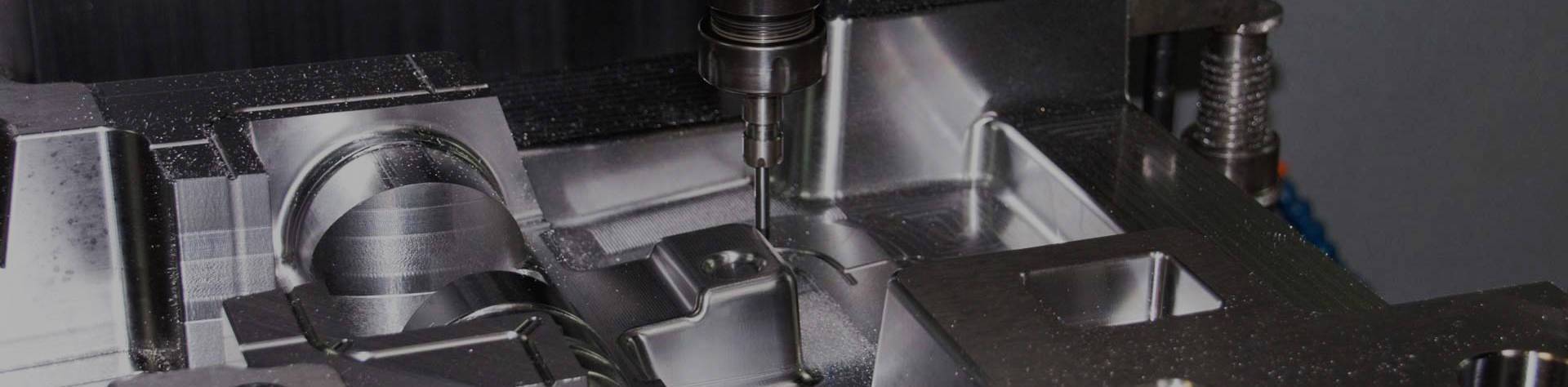
Dimensional Accuracy in Package Mould Injection Processes
Dimensional accuracy is a critical quality requirement for plastic packaging products, as even small deviations can affect sealing performance, stacking stability, and compatibility with automated filling lines. In injection molding, accuracy is not achieved by the mold alone but by the interaction of tooling design, material behavior, and process control. A well-designed Package Mould provides the foundation for precision, but consistent accuracy must be protected throughout the entire injection process to meet industrial packaging standards.
Role of Mould Design in Dimensional Control
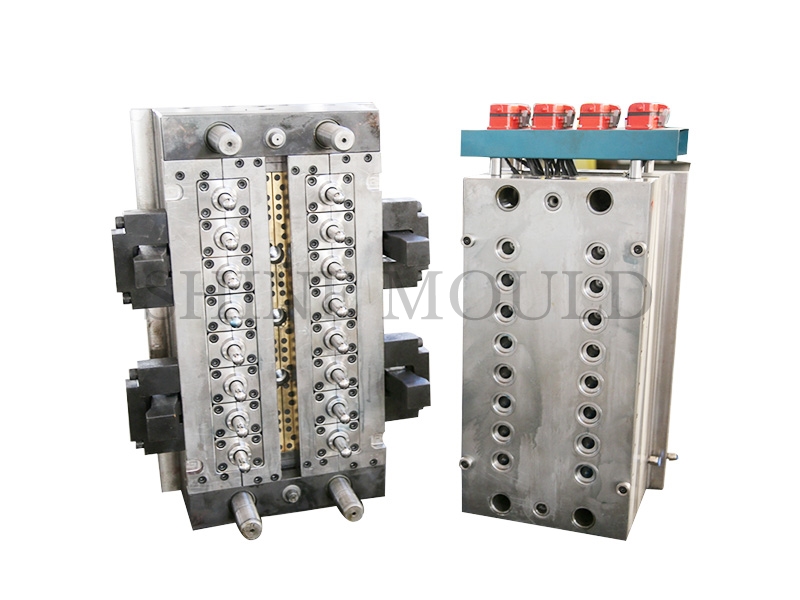
Mould design is the decisive factor influencing dimensional accuracy. Proper cavity sizing must account for material shrinkage, which varies depending on resin type, filler content, and processing temperature. Designers typically apply shrinkage compensation during cavity machining to ensure the final molded package meets target dimensions. Uniform wall thickness is also essential, as uneven sections can cool at different rates and cause warpage or dimensional distortion. High-precision machining and tight tolerances during mould manufacturing further ensure that cavity geometry remains stable during repeated production cycles.
Material Selection and Shrinkage Management
Plastic materials behave differently under heat and pressure, making material selection a key variable in accuracy control. Semi-crystalline plastics, for example, exhibit higher and less predictable shrinkage than amorphous materials. Understanding these characteristics allows processors to fine-tune mould dimensions and processing parameters accordingly. Consistent material quality is equally important, as variations in moisture content or batch composition can change flow behavior and shrinkage rates, directly affecting final dimensions.
Injection Process Parameter Optimization
Injection molding parameters play a significant role in maintaining dimensional accuracy. Injection pressure and speed must be optimized to ensure complete cavity filling without excessive stress. Insufficient pressure can cause short shots or sink marks, while excessive pressure may result in flash or internal stress that causes deformation after ejection. Holding pressure and holding time are especially important, as they compensate for material shrinkage during cooling. Precise control of these parameters helps stabilize part dimensions from cycle to cycle.
Temperature Control and Cooling System Design
Temperature stability is essential for dimensional consistency. Melt temperature influences material flow and shrinkage, while mould temperature affects cooling rate and crystallization behavior. A well-designed cooling system ensures uniform heat removal across the entire cavity surface, preventing uneven shrinkage and warpage. Consistent mould temperature also reduces cycle-to-cycle variation, which is critical in high-volume packaging production where dimensional repeatability is required.
Machine Precision and Clamping Stability
The injection molding machine itself contributes to dimensional accuracy. Stable clamping force prevents mould separation during injection, which could otherwise cause thickness variation or flash. Accurate screw positioning and repeatable shot control ensure that each cycle delivers the same material volume. When machine precision aligns with a properly engineered Package Mould, dimensional deviations can be reduced even in long production runs.
Quality Monitoring and Process Feedback
Maintaining accuracy over time requires continuous monitoring. Regular dimensional inspection using calibrated measuring tools helps detect early signs of deviation caused by wear, temperature drift, or material changes. Process feedback systems, such as cavity pressure sensors, provide real-time data that allows operators to adjust parameters before defects occur. This proactive approach ensures that dimensional accuracy is not only achieved initially but sustained throughout the mould’s service life.
Ensuring dimensional accuracy in injection molding is a systematic effort that combines precise mold design, informed material selection, stable processing conditions, and reliable equipment performance. While the Package Mould establishes the structural basis for accuracy, true precision is achieved through careful control of every stage of the molding process. By integrating engineering expertise with disciplined process management, manufacturers can consistently produce packaging components that meet strict dimensional requirements and support efficient downstream operations.
.jpg)
.jpg)
