



 Search...
 English
Essential Factors For Choosing Quality Dustbin Injection Mold
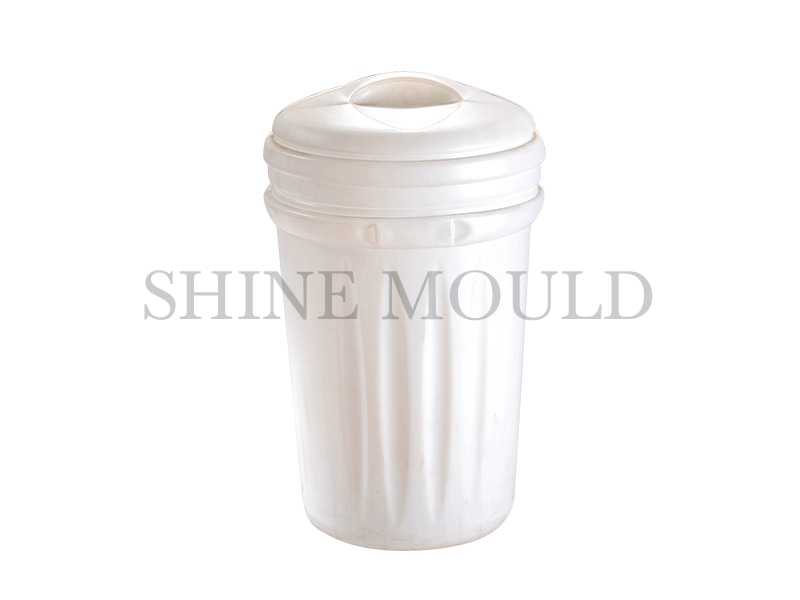
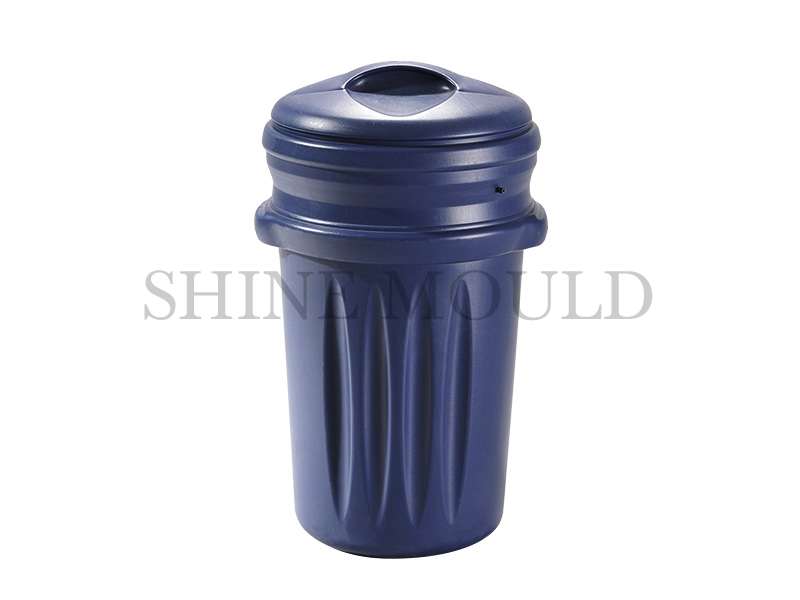
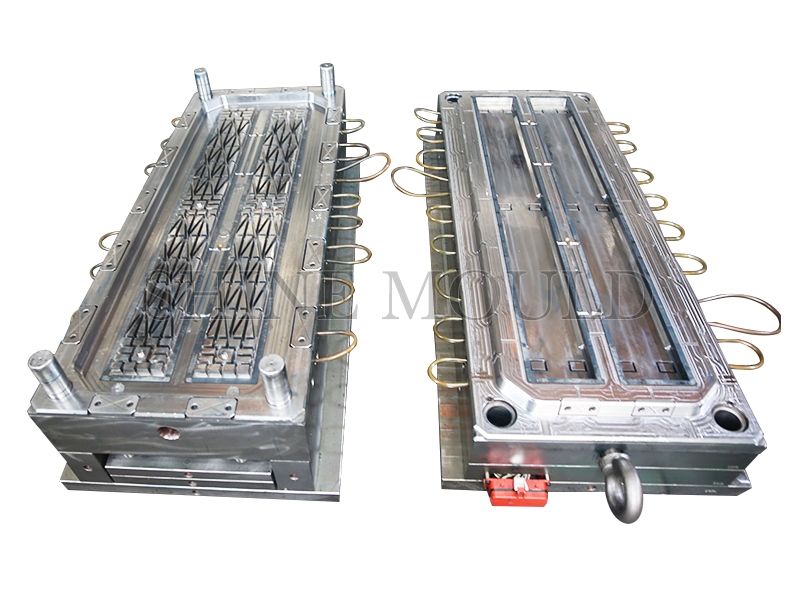
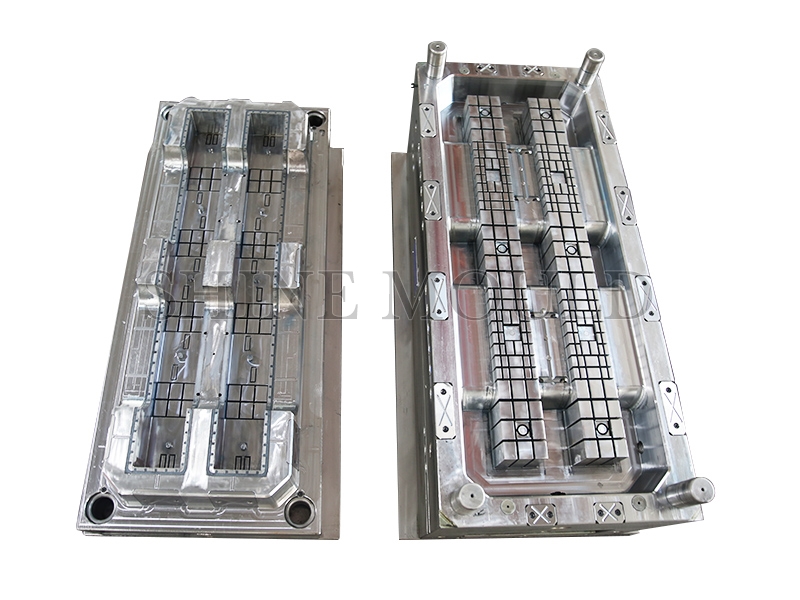
Dustbins appear simple in daily life, yet their structure depends heavily on how material is shaped inside a closed mold system. In real production, melted plastic is pushed into a cavity, then cooled into a fixed form. That cavity is Dustbin Injection Mold.
Plastic Dustbin Mould affects many small details people usually do not notice. Wall thickness decides how strong the body feels when pressed. Rim structure affects whether lid fits tightly or loosely. Even surface texture comes from inner cavity condition.
When mold design is stable, dustbins from different batches tend to look and behave in a similar way. When design or condition shifts slightly, differences may appear in stacking, stability on ground, or resistance to impact during daily use.
Why material selection decides how long a mold can keep working
In real factories, mold is not used once or twice. It runs repeatedly, sometimes for long cycles without long rest. Every cycle brings pressure, heat, and friction inside the cavity.
That is why material inside mold body matters more than it looks on paper. Harder steel structure can handle repeated injection force with slower wear. Softer material may show surface change earlier, especially around corners and gate areas where flow pressure concentrates.
In practical use, material difference often shows in small ways:
- Inner cavity becomes slightly rough after long use
- Edges lose sharpness and affect product shape
- Cooling balance changes due to surface wear
For Plastic Dustbin Mould, stable material means fewer sudden changes in product appearance during long production runs.
How cavity shape affects real dustbin usability
Cavity is not only a hollow shape. It works like a guide that directs melted plastic into final form. In daily products, even small cavity design decisions can affect how dustbin behaves in use.
For example, uneven wall thickness may help to one side feeling heavier or slightly softer. If one section cools faster than another, small bending may appear after removal from mold. These changes are not always visible immediately, but they may appear during stacking or long-term use.
In practical production planning, engineers often pay attention to:
- Smooth transition between thick and thin areas
- Rounded inner corners instead of sharp angles
- Balanced flow direction so material fills evenly
When these points are ignored, final dustbin may still form, but stability and durability often feel different in real handling.
Why mold structure stability affects daily product consistency
In continuous production, mold opens and closes thousands of times. Each movement creates small stress inside structure. Over time, alignment between parts becomes important.
If core and cavity stay well aligned, melted plastic fills space evenly. If alignment slowly shifts, even slightly, product shape may begin to vary. In daily life, this may show as lid not fitting tightly or base not sitting flat on the ground.
A stable mold structure usually supports:
- Consistent closing position during repeated cycles
- Even pressure distribution across cavity
- Reduced vibration during operation
These details directly influence whether dustbins from different batches feel the same when used at home, in offices, or public spaces.
How cooling design affects final product shape in real use
Cooling stage often decides whether dustbin keeps its intended shape. After plastic fills cavity, temperature must drop evenly so material can settle without stress.
If cooling is uneven, one side may shrink faster. That can help to slight bending or uneven wall tension. In daily use, this may appear as wobbling when placed on flat ground.
Cooling channels inside mold guide heat flow. When layout is balanced, temperature drops more evenly across structure. When layout is uneven, thick sections may stay hot longer and create internal stress.
| Cooling condition | What happens inside material | Possible result on dustbin |
|---|---|---|
| Even cooling flow | Material solidifies evenly | Stable shape, smooth surface |
| Uneven heat removal | Shrinkage difference appears | Slight bending or twist |
| Slow cooling zone | Internal stress remains longer | Shape may shift after release |
| Fast local cooling | Outer layer hardens early | Surface marks or uneven texture |
Why surface condition inside mold affects everyday appearance
Surface inside mold cavity is in direct contact with melted plastic. Any roughness or wear inside cavity may transfer to dustbin surface.
In daily products, this is visible as small flow lines, uneven gloss, or dull patches. Users may not know the reason, but it often comes from cavity condition.
Smooth cavity helps material slide evenly during filling stage. It also reduces resistance, so pressure inside mold stays more balanced. Over time, this supports more consistent appearance across different batches.
In long production use, cavity surface may gradually change. That is why regular inspection and cleaning become part of stable operation, not only maintenance step.
How ejection system affects real product usability
After cooling, dustbin must leave cavity without damage. This step depends on ejection system inside mold.
If ejection force is uneven, product may get marks on inner surface or slight deformation near base. In daily use, this may affect stacking or stability on floor.
Common practical points in ejection design:
- Force distributed across multiple contact points
- Ejection areas placed on stronger structural zones
- Smooth movement without sudden push
When release process is balanced, product keeps cleaner surface and more stable shape, which matters in stacking and transport.
Why precision during manufacturing affects long-term performance
Precision in mold making is not only about measurement accuracy. It affects how well all parts work together during repeated cycles.
Small deviation between components may not be visible. Over time, it can affect closing alignment, flow direction, or cooling balance.
In practical production, precision influences:
- Fit between moving parts during operation
- Stability of cavity volume under pressure
- Consistency of product shape across batches
When precision is stable, production feels smoother and product variation becomes less noticeable in real use.
How material behavior inside mold changes real production results
Plastic does not behave in a fixed way once it enters a cavity. Some types move fast, reach corners easily, then settle quickly after cooling. Some move slower, hold heat longer, and shrink in a slightly different pattern. In real workshop conditions, these small differences are often seen in the final dustbin without obvious warning.
Dustbin Injection Mold needs to follow material behavior instead of forcing one rigid condition. When match is not ideal, product still comes out, yet small changes may appear over time, such as uneven wall feel or slight shape drift after cooling.
In daily production, material response usually shows in:
- Flow speed during cavity filling
- Shrink behavior after cooling stage
- Surface condition after release
- Stability of corners and joints
How simple maintenance habits influence long-term mold stability
A mold keeps repeating the same cycle again and again. Each cycle leaves a small trace inside cavity and moving parts. After long use, residue, tiny wear marks, or slight movement change may slowly affect output.
Maintenance in real use is often not complex work. It is more about small habits that keep system close to normal condition.
Common routine actions include:
- Cleaning leftover plastic from cavity surfaces
- Checking ejector movement for smooth travel
- Observing wear around high-pressure contact areas
- Keeping cooling channels free from blockage
When these steps are ignored for long periods, product changes do not appear immediately. They usually show up later as small surface marks, slight variation in thickness, or reduced consistency between batches.
How production rhythm depends on mold structure balance
In real production, mold does not stop after a single cycle. It opens, closes, fills, cools, and releases again in a continuous rhythm. Even small structural differences can change how smooth this rhythm feels.
Cooling balance, movement resistance, and ejection behavior all affect cycle stability. When structure runs smoothly, production feels steady and less interrupted.
Important points that shape this rhythm:
- Cooling distribution inside cavity
- Smooth opening and closing movement
- Even force during ejection stage
- Simple access for cleaning and adjustment
When these parts stay balanced, production becomes easier to maintain over long working hours, and variation caused by small external changes becomes less noticeable.
What slow wear does to mold performance over time
Wear inside mold rarely appears suddenly. It usually starts from small contact zones like gates, corners, and ejector points. At early stage, product still looks stable, so changes are easy to ignore.
Over time, worn areas begin to change how plastic moves and settles inside cavity. That may help to small shifts in thickness, surface texture, or release behavior.
Common signs of gradual wear include:
- Slight dull change on product surface
- Small difference in edge sharpness
- Uneven release feel from cavity
- Minor variation in shape after cooling
These changes are usually slow, so they may not be noticed until product consistency begins to vary between batches.
How finished dustbins reflect mold condition in daily use
End users never see mold, yet its influence is visible in daily handling. A dustbin that sits flat, stacks evenly, and keeps shape during use usually comes from stable internal forming conditions.
When mold condition drifts over time, small differences may appear in finished products. These differences are not always large, yet they can affect practical use.
Real examples include:
- Slight wobble when placed on flat ground
- Loose or tight feeling in lid fit between batches
- Small variation in wall stiffness when pressed
- Uneven stacking behavior during storage
These signs often connect back to cavity wear, cooling imbalance, or alignment shift inside mold system.
| Mold condition factor | What changes slowly inside system | What appears on product |
|---|---|---|
| Cavity surface wear | Flow resistance becomes uneven | Surface texture variation |
| Cooling path condition | Heat balance drifts slightly | Shape stability change |
| Ejection system friction | Force distribution shifts | Small marks or stress points |
| Alignment shift | Position accuracy reduces | Fit difference in lid or base |
How overall balance decides long-term stability
Dustbin Injection Mold does not rely on a single strong point. It works through many small systems acting together during each cycle. Material flow, cooling behavior, structural alignment, and maintenance condition all interact quietly in production.
When these parts stay balanced under real working conditions, product output tends to remain more stable over long use. When one part slowly drifts, small changes begin to appear in finished dustbins.
In real operation, stability is usually not from one adjustment, but from keeping all parts working in a steady and aligned condition over time.
.jpg)
.jpg)
.jpg)
