



 Search...
 English
How Plastic Dustbin Mould Forms Different Bin Styles
Plastic dustbins may share the same basic purpose, yet their shapes can vary considerably according to where and how they are used. A compact household bin, a pedal‑operated container and a wheeled waste bin each require different structural features, so mould design has to reflect the intended product from the beginning.
A Plastic Dustbin Mould acts as the forming structure for the bin body and, in many cases, related parts such as lids or covers. Product shape, wall arrangement, rim structure and handle position are all connected to the mould cavity and core.
A simple bin with straight walls may need a relatively straightforward mould structure. More complex designs can include deep sections, side openings, hinges, pedal connections or other features that affect how the mould opens and how the finished part is removed.
For that reason, different bin styles are not created simply by changing the appearance of an existing mould. Product geometry often determines the mould structure, while the mould structure then influences how the plastic part can be formed and released.
How Does Product Shape Affect a Plastic Dustbin Mould
Shape is one of the earliest factors considered during mould development. A round bin, square bin and tapered container place different demands on the forming surfaces.
Straight vertical walls can make mould opening relatively simple, while deeper or angled sections may require additional attention during ejection. A product that contains an undercut can prevent the finished bin from coming away directly as the mould opens, so the design may need a movable section or another suitable release arrangement.
Ribs can be added to selected areas of a bin to support its structure. Rounded transitions can help avoid sharp internal corners and may make mould release easier. Product design therefore needs to balance appearance, strength and manufacturability rather than treating each feature separately.
A useful design sequence can be viewed as:
Product shape → mould cavity → filling path → cooling arrangement → release method
Changing one part of the sequence can affect the others. A wider body, deeper base or different rim may require adjustments to several mould components.
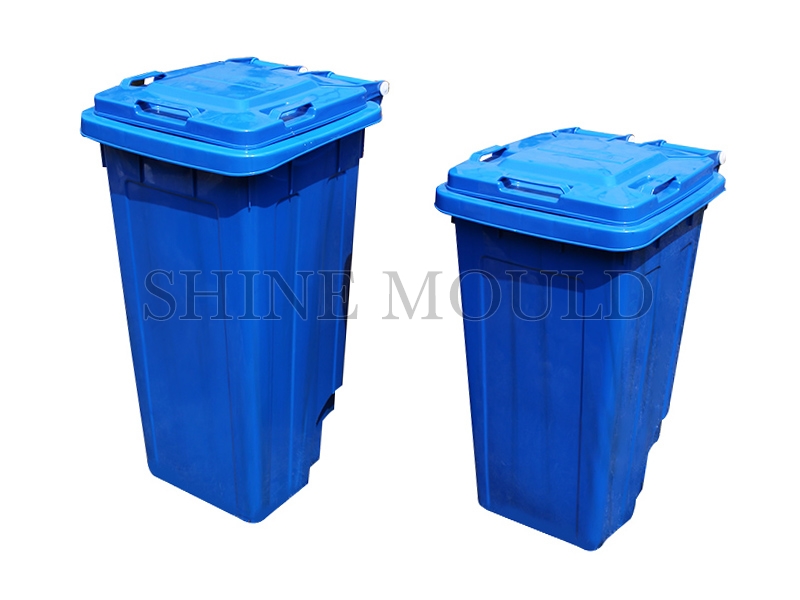
How Do Household Bin Styles Change Mould Structure
Household bins cover a broad range of shapes. Small open bins can have simple bodies, while pedal bins, swing‑lid bins and other covered designs require additional components or connection areas.
A pedal bin, for example, needs space for a mechanism that connects the pedal with the lid. A mould intended for such a product has to account for the related structure rather than forming only a simple container body.
Bins with separate lids may require additional moulds for the lid itself. Matching between body and lid becomes important because uneven dimensions can affect closing and general use.
Rounded household bins may need different parting and ejection arrangements from square containers. Narrow sections and deep walls can increase the difficulty of removing the finished product, especially when the shape does not provide enough room for straightforward release.
Designers therefore need to consider both visible appearance and hidden moulding requirements. A clean‑looking product may still require a carefully arranged internal mould structure.
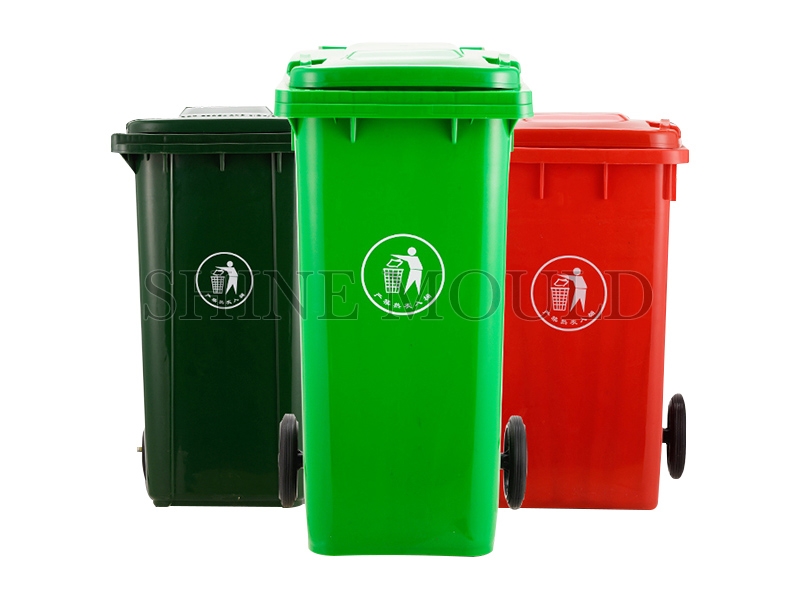
How Are Large And Wheeled Bins Formed Differently
Larger waste bins often include wheels, handles or reinforced areas that are not needed on small indoor containers. Such features change how the product is shaped and supported during moulding.
A wheeled bin normally needs a body strong enough to carry its contents while being moved. Reinforced sections, thicker structural areas or ribs can be incorporated into the product design where needed.
Large flat panels can also present greater concerns during cooling. Uneven cooling may cause changes in shape, so cooling arrangements inside a Dustbin Injection Mold need to follow the geometry of the product.
Handle areas deserve particular attention because they experience repeated contact during movement. A handle formed as part of the main body may require different mould features from a separate handle assembled afterward.
Large bins also create practical considerations during mould opening and ejection. The mould needs enough movement and support for the finished part to leave the cavity without unnecessary deformation.
Why Do Ribs Handles And Lids Affect Mould Design
Functional features often create the biggest differences between bin styles. A basic container can have a relatively open structure, while a bin with a lid, handle or pedal mechanism introduces additional shapes that must be formed accurately.
Ribs serve more than an appearance function. They can add support to broad walls and help maintain the intended product shape. Their position, depth and connection with surrounding surfaces need to work with the mould opening and ejection process.
Handles require attention to both strength and release. A recessed handle or side opening may create an undercut, making direct removal difficult. Movable mould components can be used where product geometry prevents a simple opening movement.
Lids can have their own design challenges, especially when they include hinges, clips or recessed areas. A separate lid mould may be used, allowing the lid geometry to be developed independently from the bin body.
As bin functions become more varied, mould structure tends to follow the product rather than relying on one standard arrangement.
How Does Material Flow Influence Different Bin Styles
Plastic needs to reach the mould cavity and fill the intended shape before cooling. Gate position and flow arrangement can therefore influence how evenly a large or complicated bin is formed.
A broad bin body may need careful consideration of where material enters the cavity. Poorly arranged flow can contribute to uneven filling, visible joining areas or trapped air. Mould design references commonly consider gate position, filling behavior and air evacuation when developing dustbin moulds.
Cooling follows a similar principle. A large mould may contain cooling passages arranged around important areas so that heat can be removed more evenly. Uneven cooling can affect dimensions or cause unwanted deformation, especially across broad walls and lids.
Material selection also interacts with mould design. Common bin materials can behave differently during filling and cooling, so a mould intended for one material may need adjustments before being used with another.
| Product Feature | Mould Consideration | Possible Effect |
|---|---|---|
| Deep Bin Body | Ejection Arrangement | Easier Product Release |
| Large Flat Wall | Cooling Layout | Reduced Shape Change |
| Reinforced Rim | Cavity Structure | Better Edge Formation |
| Side Handle | Core or Slider Movement | Controlled Demoulding |
| Hinged Lid | Separate Forming Features | Accurate Part Fit |
How Does a Dustbin Mould Supplier Adapt Moulds to Different Styles
A Dustbin Mould Supplier may receive requirements for household bins, commercial containers or larger wheeled products, with each design calling for its own review.
Product drawings or physical samples provide information about dimensions, wall shape, lid structure and functional features. From there, mould designers can determine how the cavity, core, ejection system and cooling arrangement should correspond to the product.
Design changes made late in development can affect several parts of the mould. Moving a handle, changing a wall angle or adding a recessed feature may require adjustments to the release system or mould components.
Clear communication during the design stage is therefore important. Useful information can include:
- Overall product shape
- Lid and handle arrangement
- Required surface appearance
- Material selection
- Areas requiring reinforcement
- Desired opening and closing features
A supplier working with different bin styles needs to assess each product according to its actual geometry rather than assuming that one mould structure can serve every application.
How Does Mould Design Shape the Final Bin Style
Bin style is closely connected to mould structure from the beginning of product development. Household containers, pedal bins, covered bins and wheeled waste containers may share a basic purpose, while their mould requirements can be quite different.
Product geometry determines how plastic fills the cavity, how the part cools and how it leaves the mould. Ribs, handles, lids, recessed areas and other functional details can further change the mould arrangement.
For manufacturers working with different product categories, careful coordination between product design and mould development can reduce unnecessary changes during production. A well‑matched mould structure supports consistent forming while allowing the final bin to retain its intended shape and functions.
In practical terms, Plastic Dustbin Mould design is not only about creating a container shape. It connects product appearance, structural features, material flow, cooling and demoulding into one manufacturing process. Different bin styles emerge from changes in those connected elements, which is why mould planning needs to begin with the actual use and geometry of the finished product.
.jpg)
