



 Search...
 English
How To Choose Right Armchair Mould For Different Furniture Styles
Armchair Mould in Furniture Production
Armchair Mould quietly shapes plastic seating that ends up in living rooms, patios, and everyday gathering spots. It forms the arms, seat, and back so the finished piece settles naturally into its surroundings. Getting the mould to match the intended furniture style means fewer adjustments later and smoother results on the floor. Many lines run Chair Mould right next to Chair Mould, turning out complete sets that mix pieces with arms and pieces without them.
Selection usually begins with a simple question about where the seating will live. Will it sit in quiet home corners or handle sun and rain outdoors? The mould has to deliver shapes that feel at home with the rest of the furniture. This link between mould and style carries through every stage, from early sketches to the moment the parts leave the machine.
Basic Function of Armchair Mould and Its Relation to Chair Mould
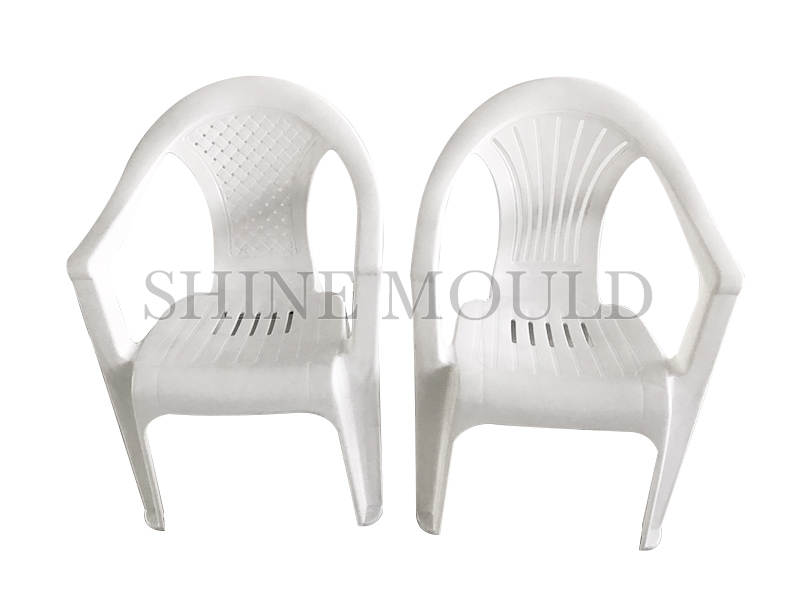
Armchair Mould builds seating that includes armrests as part of the main structure. The cavity creates the side supports together with the seat and back, sometimes in one shot or with separate sections that fit together later. Chair Mould keeps things simpler by shaping seats and backs without those extra side extensions.
The two mould types share the same basic ideas but handle different details. Factories often switch between them on the same equipment with only small changes in the arm-forming areas. Keeping the seat and back areas closely matched helps the whole collection stay balanced in weight and look.
Inside the mould, channels direct plastic into every section, including the narrower arms. Ejection pins or air assist push the cooled piece out cleanly so arms stay straight and seats stay level. These working parts make sure the armchair stands steady once it reaches a room.
Understanding Furniture Styles and Their Impact on Mould Selection
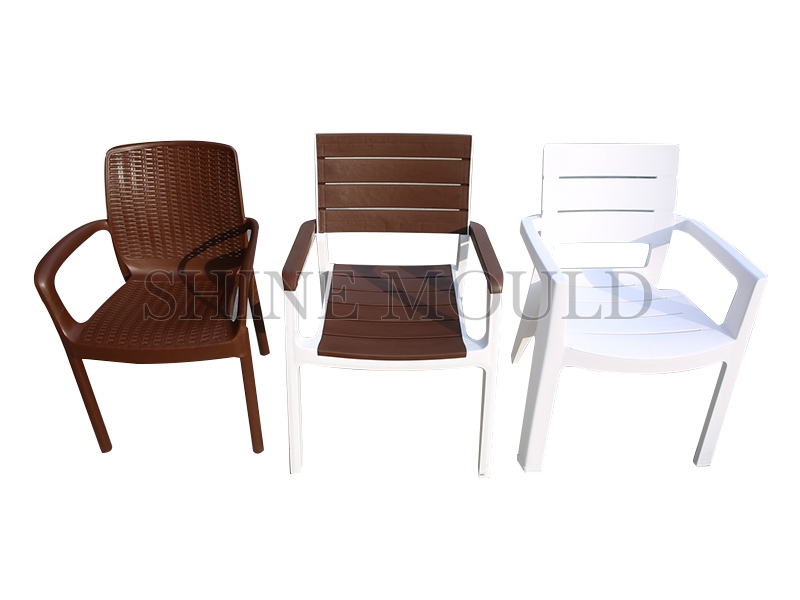
Different furniture styles ask for different things from seating. Modern styles lean toward straight lines and low profiles that stay out of the way visually. Classic styles usually want softer curves and roomier proportions for longer sitting. Outdoor styles need open forms that let air and water pass through while handling weather shifts. Stackable versions focus on angled edges and lighter weight so one piece slides into another without sticking.
These expectations shape the mould from the start. Wall thickness, rib placement, and overall size all change depending on the direction. A modern Chair Mould might carry slim arms and sharp corners. Classic versions leave space for rounded edges and deeper seats. Outdoor moulds often build in drainage slots or lattice work in the back and arms. Stackable designs need careful tapering on the outside edges.
Selection takes these differences seriously early on. Drawings or sample chairs show the target look so the cavity can catch the right angles and curves. Chair Mould for the armless pieces in the same group follows matching lines to keep everything looking like it belongs together.
Key Design Elements in Armchair Mould for Style Adaptation
Armrest design often sets the tone first.
- Modern arms sit flush with the seat and run in straight or gently angled lines.
- Classic arms curve softly and widen a little toward the front for a relaxed shape.
- Outdoor arms may include textured areas or simple channels for easier gripping and water runoff.
Backrest height and curve change with the style too. Taller upright backs suit dining areas while lower reclined shapes work better for lounging. The mould core follows these lines so plastic fills the back evenly. Ventilation openings or slotted patterns cut weight in outdoor and stackable versions without losing strength.
Seat depth and width affect daily comfort. Deeper seats invite sinking back while shallower ones fit quick stops. The Armchair Mould balances these dimensions with the arm positions and adds ribs underneath for support. Rib spacing and depth adjust according to the style — lighter modern pieces use fewer ribs while classic forms spread them more evenly.
Overall shape holds everything in balance. The mould keeps arms from twisting the piece sideways and makes sure the seat lands level. These small details let the armchair sit comfortably next to pieces made from Chair Mould in the same collection.
Material Considerations and Behavior in Armchair Mould
Plastics behave differently once they enter the mould. Some flow easily into detailed arm shapes. Others keep their form better when facing sun or rain. The mould takes shrinkage into account so the cooled piece stays close to the planned dimensions.
During filling, pressure sends material into every corner, especially the longer arm sections. Smooth flow stops thin walls or trapped air that could weaken the structure later. Cooling channels spread across the mould control how quickly each area sets, particularly where the arms meet the seat.
Contact between hot plastic and mould walls shapes the final surface. Fast-cooling materials sometimes need slight temperature tweaks to avoid marks. The plastic type also decides how well the chair handles repeated sitting or outdoor exposure.
In the same run, Chair Mould often uses matching material grades. This keeps color and shrinkage behavior close between armed and armless pieces so the sets look uniform.
Surface Finish, Texture, and Visual Outcome from Armchair Mould
Mould surface treatment leaves a clear mark on the finished armchair. Polished areas create smooth faces that catch light cleanly in modern settings. Light etching or texture hides small scratches and suits everyday indoor or outdoor use.
Texture choices vary across the piece.
- Smoother surfaces on the seat add comfort during long sits.
- Subtle grain on arms and back gives a bit of grip and reduces glare.
- Deeper patterns help outdoor styles stay looking fresh longer.
Classic styles often carry softer reflections from gentle curves in the mould. Modern lines benefit from flat, even finishes that highlight straight edges. The surface also helps the armchair blend with Chair Mould pieces when they stand together in a room.
| Surface Approach | Typical Look and Feel | Common Style Match |
|---|---|---|
| Smooth polish | Clean and reflective | Modern straight-line designs |
| Light texture | Matte with reduced marks | Daily indoor and light outdoor use |
| Medium grain | Natural grip, less visible wear | Stackable or active areas |
| Soft curve finish | Gentle reflection | Classic or relaxed lounge settings |
Ergonomic and Structural Stability Factors in Mould Design
Mould contours influence how the body sits. Arm height and angle affect elbow rest while seat slope shapes posture over time. The Armchair Mould builds these curves so pressure spreads evenly instead of concentrating in one spot.
Internal ribs add support without adding much weight. Placement under the seat and along the arms helps the piece hold its shape under normal use. The mould spaces these ribs to avoid sinking on the visible side.
Stability after cooling matters for every style. Even material spread inside the mould lowers the chance of warping once the piece comes out. Chair Mould follows similar rib and thickness approaches so the full collection keeps matching strength.
Production Process and Flow When Using Armchair Mould
Making parts with an Mould follows a regular rhythm that repeats with each cycle. The day usually starts with a fast look over the mould itself. Workers wipe down the surfaces and add a thin layer of release agent so nothing sticks later.
Plastic pellets go into the machine and slowly heat up until they turn soft enough to flow. Once the material reaches the right temperature, pressure pushes it through narrow gates straight into the mould cavity. It normally fills the seat area first, then spreads out into the arms and rises up into the backrest. The position of those gates matters a lot — especially when the arms are long — because it keeps the plastic moving evenly without leaving weak spots.
Small vents cut into the mould let air escape as the plastic comes in. Without them, tiny air bubbles can get trapped and show up as defects on the finished piece.
Next comes cooling. Channels inside the mould pull heat away steadily. The thicker spots where the arms join the seat usually need more cooling time so they set at roughly the same speed as the thinner sections. When the plastic has hardened enough to keep its shape, the mould opens and the piece slides out.
Right after ejection, someone checks the basics. They measure arm height, seat level, and how the back curves, comparing everything to the original drawings. If something looks a little off, a quick tweak to temperature or injection pressure often fixes it before the next shot.
Chair Mould runs on almost the same schedule just a machine or two away. This makes it easy for the team to switch back and forth depending on what orders come in that day.
Challenges in Matching Armchair Mould to Different Furniture Styles
Changing from one furniture style to another can bring a few familiar headaches.
- Modern designs with very thin arms sometimes cool quicker than the seat, causing small waves or pulling in the plastic.
- Outdoor styles full of holes or lattice work may develop visible flow lines if the air vents are not placed just right.
- Stackable chairs risk having edges that catch on each other if the taper on the sides is even slightly wrong.
The problems come down to how the material flows or how fast different parts cool. Moving a gate a little or adjusting temperature in certain zones of the mould often smooths things out. Sometimes a small change in wall thickness inside the mould helps stop the piece from warping once it leaves the cavity and cools in the air.
People who spend a lot of time with Chair Mould have an advantage here. Many of the same flow issues show up in both types, so what they learn on one mould usually helps solve problems on the other when a new style arrives.
Integration of Armchair Mould and Chair Mould in Production Planning
Running Armchair Mould and Chair Mould side by side makes daily work noticeably easier. The machines share the same basic setup, so switching from a chair with arms to one without usually needs only small tooling changes. Using the same plastic material and keeping the machine settings close together helps the color and size stay consistent across the whole set.
Production planning has to consider both how many pieces are needed and which styles are mixed in the order. Smaller batches often run on single-cavity moulds for each type. When the numbers grow, teams move to multi-cavity versions while still making sure the plastic fills the arms properly.
The finished parts from both moulds usually stack and store in similar ways. That makes life simpler in the warehouse and saves space when different styles sit together. In the end, this approach keeps the entire furniture family looking like it belongs together and cuts down on extra setup time when styles change during the week.
Practical Steps for Evaluating and Selecting Armchair Mould
Picking the right Armchair Mould tends to follow a few practical steps that workshops use.
- Gather clear references — detailed drawings, existing sample chairs, or even photos that show exactly how the final piece should look.
- Sit down with the mould maker and talk through how the cavity will handle the arms, the curve of the back, and any special openings or textures.
- Run short trial shots to get the real samples.
- Measure the important spots: arm height, seat depth, and overall balance.
- Look carefully at the surface for any marks, flow lines, or uneven areas that might not match the desired style.
- Put the samples in a real setting and test how they actually feel when someone sits down.
Once the samples line up with what the style needs, regular production can start with much more confidence that the Mould will pair well with the Chair Mould pieces.
Writing down the settings used for each style saves time later and helps keep quality steady from one batch to the next.
Role of Armchair Mould in Supporting Furniture Design Evolution
Mould quietly shapes the way furniture styles change over the years. Versions with removable inserts let designers tweak arm shapes or backrest details without having to build a completely new mould every time. This gives room for gradual moves toward lighter pieces or more open constructions while still keeping the manufacturing side manageable.
When styles start leaning toward cleaner lines or better performance outdoors, the mould gets updated through adjustments in rib placement, wall thickness, and added ventilation. Chair Mould usually follows along with the same changes so the whole collection stays consistent and moves forward together.
The constant conversation between what designers want and what the mould can actually do keeps seating practical for real homes and public spaces. Many factories lean on long-term partners for advice during the early stages. For example, insights shared by companies such as TAIZHOU HUANGYAN SHINE MOULD CO.,LTD. often help connect style goals with real mould features before the steel gets cut.
In the end, choosing and fine-tuning an Mould comes down to simple, practical balance. The right geometry, steady material flow, suitable surface finish, and smooth production rhythm all work together so the final seating does its job well and fits naturally with pieces made from Chair Mould in the same line.
-1.jpg)
.jpg)
