 Search...
 English
How To Select Reliable Plastic Dustbin Mould For Long Term Use
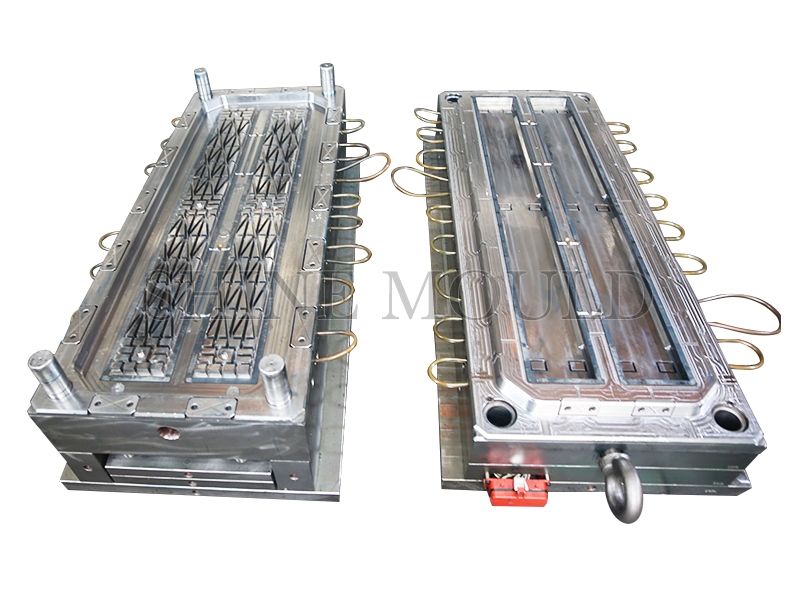
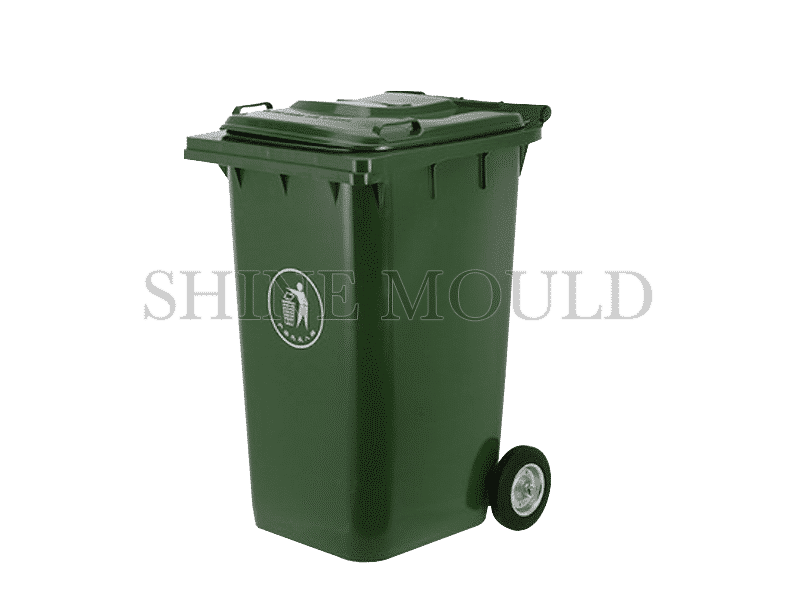
A Plastic Dustbin Mould is a specialized tool used in injection molding. The mould creates the shape of a waste container through the injection of molten plastic. The basic construction includes two halves that come together to form the cavity.
The cavity defines the outside shape of the dustbin. The core defines the inside shape. When the two halves close, the space between them forms the part geometry. Molten plastic flows into that space, cools, and becomes a solid dustbin.
The mould must withstand high pressures during injection. The plastic enters the cavity under force, and the mould needs to hold its shape. The mould also goes through heating and cooling cycles with each shot. The materials used in construction need to handle those conditions.
A Dustbin Injection Mold follows the same principles as other injection moulds, though the size and weight differ. Dustbins are large parts. The moulds for them are correspondingly large and heavy. The design needs to address the challenges of molding large parts.
What Factors Affect Mould Longevity in Production
The service life of a mould depends on several factors. Some relate to the mould construction itself. Others relate to how the mould gets used.
The number of cycles the mould runs affects its life. Each cycle subjects the mould to heat, pressure, and wear. A mould running continuously wears faster than one used intermittently. The total cycle count over the mould's life determines when replacement becomes necessary.
The material flowing through the mould affects wear. Some plastics contain abrasive fillers. Glass-filled materials, for example, wear the mould surfaces faster than unfilled materials. The mould material needs to resist the abrasive action of the plastic.
Thermal cycling creates stress in the mould components. The mould heats up during injection and cools during the cycle. That repeated expansion and contraction stresses the steel.
| Factor | Effect on Mould Life | Why It Matters |
|---|---|---|
| Cycle count | Cumulative wear | Life limited by total shots |
| Plastic type | Abrasion rate | Fillers increase wear |
| Thermal cycling | Material fatigue | Stress from heating and cooling |
| Maintenance | Wear management | Extends usable life |
How Does Steel Selection Influence Mould Performance
The steel chosen for a Plastic Dustbin Mould affects how long the mould lasts. Different steel grades offer different properties. The selection depends on the requirements of the application.
Hardness provides resistance to wear. A harder steel resists the abrasive action of the flowing plastic. The wear resistance keeps the cavity dimensions accurate over many cycles. Harder steels are more difficult to machine.
Toughness resists cracking. The mould faces impacts during operation. The clamping force and injection pressure create stress. A tough steel absorbs that stress without cracking. The balance between hardness and toughness matters.
Corrosion resistance protects against chemical attack. Some plastics release corrosive gases during processing. The steel needs to resist the corrosive effects. Stainless grades offer corrosion resistance at higher cost.
| Property | Importance | Trade-off |
|---|---|---|
| Hardness | Wear resistance | Harder to machine |
| Toughness | Crack resistance | May reduce hardness |
| Corrosion resistance | Protection | Higher cost |
| Polishability | Surface finish | Affects part release |
What Design Features Improve Mould Reliability
The design of a Plastic Dustbin Mould affects how well it performs over time. Good design addresses the stresses and demands of production.
The cooling system keeps the mould at consistent temperature. The cooling channels run through the mould near the cavity surface. Proper cooling reduces cycle time and prevents hot spots. The cooling design affects part quality and mould life.
Gate placement determines how plastic enters the cavity. A poorly placed gate creates stress in the part and the mould. The gate location affects the flow path and the pressure distribution. Good gate design reduces stress on the mould.
Surface finish affects how the part releases from the cavity. A smooth finish allows the part to slide out with less force. A rough finish creates drag that stresses the mould. The finish also affects the appearance of the dustbin.
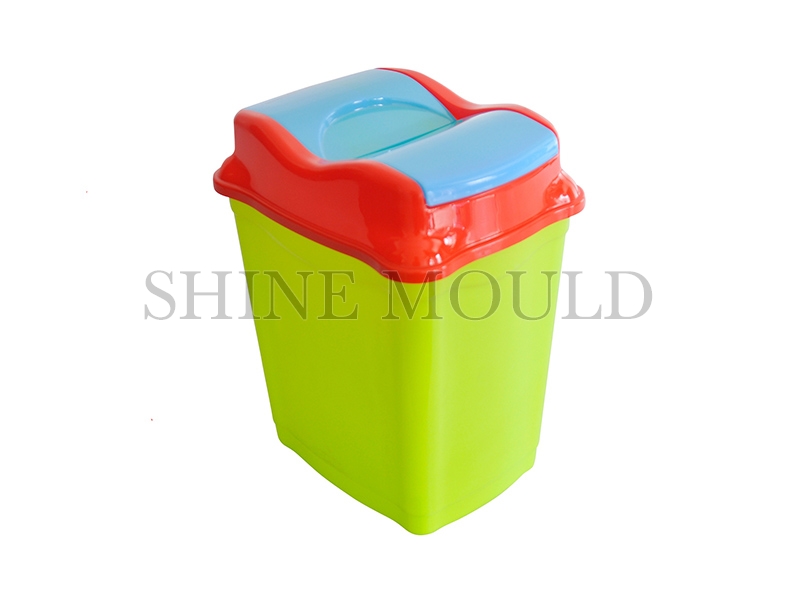
The ejection system pushes the finished part from the mould. Ejector pins, plates, or rings apply force to the part. The design needs to apply that force evenly. Uneven ejection can damage the part or the mould. A Dustbin Injection Mold for large parts needs careful ejection design.
How Does Mould Construction Affect Production Consistency
Precision in mould construction translates to consistency in production. Every part that comes from the mould should match the others. The mould needs to produce parts within the tolerance required.
The cavity machining determines the part dimensions. The cavity gets machined to the exact size needed. Machining accuracy affects how close the part comes to the design specifications. Consistent machining produces consistent parts.
Guide pins and bushings maintain alignment between the mould halves. When the mould closes, the halves need to meet precisely. Any misalignment creates part defects. The guide system wears over time and needs attention.
Venting allows air to escape during injection. As plastic fills the cavity, air moves ahead of the flow. If air cannot escape, it becomes trapped. Trapped air causes burn marks or incomplete filling. The venting system needs to be adequate for the part size.
What Maintenance Practices Extend Mould Service Life
A mould that gets regular attention lasts longer than one that runs until problems appear. The maintenance schedule does not need to be elaborate. Simple, consistent care makes a difference.
Cleaning removes plastic residue that builds up on the cavity surfaces. The residue comes from venting, flashing, or material degradation. It accumulates over time and affects part quality. The cleaning method depends on the residue type. Some residues wipe off easily. Others need solvents or gentle abrasives.
Inspection catches wear before it becomes a problem. The operator looks at the cavity surfaces, the parting line, and the ejector system. Wear shows up as scratches, dull spots, or material buildup. Early detection allows repairs before parts go out of specification.
Lubrication keeps moving parts working smoothly. The ejector pins, slides, and guide pins all need lubrication. The right lubricant reduces friction and wear. The lubrication schedule depends on the operating conditions. High-cycle production needs more frequent attention.
Repairs restore worn surfaces to usable condition. A scratched cavity surface can be polished. A worn ejector pin can be replaced. The repair cost is often less than the cost of a new mould. A Plastic Dustbin Mould that receives timely repairs can run for many years.
How Does the Moulding Process Affect Mould Wear
The way the moulding machine operates affects the mould. The process settings influence how much stress the mould experiences during each cycle.
Injection pressure pushes plastic into the cavity. The force required depends on the material and the part geometry. Higher pressure means more stress on the mould components. The pressure should be high enough to fill the cavity, though no higher than needed.
Melt temperature affects the plastic viscosity. Higher temperature makes the plastic flow more easily. The mould needs to handle the temperature. Higher temperatures can accelerate wear on the mould surfaces. The temperature should match the material manufacturer's recommendations.
Cooling time affects cycle time and mould temperature. Short cooling times reduce cycle time but increase stress. The mould releases heat during cooling. Rapid cooling creates thermal shock that can cause cracking. Balanced cooling extends mould life.
Clamping force holds the mould closed during injection. The force needs to be enough to prevent flashing. Excess clamping force creates unnecessary stress. Proper clamp force reduces wear on the mould components.
What Quality Indicators Show Mould Condition
The condition of the mould shows up in the parts it produces. A mould in good condition produces good parts. A mould with problems produces parts with defects.
Clean, shiny parts suggest a clean, smooth cavity. Dull parts or parts with flow marks may indicate surface wear. The appearance changes gradually as the mould wears.
Part dimensions change with mould wear. A worn cavity produces larger parts. A worn core produces smaller parts. Monitoring part dimensions provides early warning of wear. The measurements should stay within specification over time.
Burns or defects on the part surface often point to venting problems. The vents may be blocked by residue. The gases need to escape during filling. Blocked vents cause burning or short shots.
| Quality Indicator | What It Shows | What To Check |
|---|---|---|
| Surface finish change | Cavity wear | Polish cavity |
| Dimensional drift | Worn cavity or core | Measure and repair |
| Burn marks | Blocked vents | Clean vent paths |
| Short shots | Flow restriction | Check gate and runner |
| Part sticking | Ejector wear | Inspect ejector pins |
How Does a Dustbin Injection Mold Compare With Other Mould Types
Dustbin moulds have certain characteristics that set them apart from other injection moulds. The differences come from the part size and geometry.
The size of a dustbin mould exceeds that of many other moulds. Dustbins are large parts. The mould needs to be large enough to form the part. The size affects everything from machining to handling. The mould may require special equipment for installation and removal.
The cooling system for a large mould needs careful design. The mould volume is large, and heat removal takes time. The cooling channels need to cover the entire cavity area.
The ejection system for a dustbin mould must handle the part without damage. The part size and weight mean ejection forces are higher than for small parts. The ejector pin layout needs to distribute the force evenly. Uneven ejection can crack the part or damage the ejector system.
A Plastic Dustbin Mould typically operates at lower cycle counts than smaller moulds. The production volumes for dustbins are often lower than for small parts. A mould that runs fewer cycles per year may not need the same wear resistance as a high-production mould.
What Factors Guide the Selection of a Reliable Mould
The decision to purchase a mould involves several considerations. The right mould depends on the specific requirements of the application.
Production volume matters for mould selection. A mould that will run millions of parts needs different construction than one that will run thousands. Higher volume justifies higher initial investment. The mould needs the durability to reach the required cycle count.
Part quality requirements affect the mould choice. A part with tight tolerances needs a mould with high precision. The machining, cooling, and ejection all need to support the quality level. The mould cost increases with the required precision.
A mould from a domestic builder may cost more and take longer than one from an offshore source. The right balance depends on the project requirements.
The selection of a Plastic Dustbin Mould involves balancing cost against performance. The mould needs to produce the required parts at the required quality. The price should be reasonable for the expected production volume.