



 Search...
 English
Importance of Wall Thickness in Bucket Mould Design
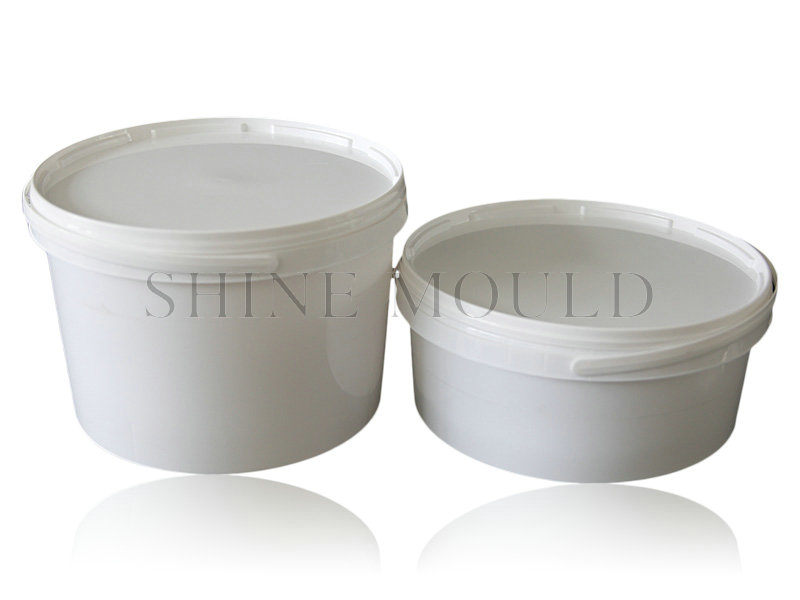
In plastic injection molding, achieving consistent product quality depends on precise mold design. One of the critical aspects of this design is controlling wall thickness. For a Bucket Mould, wall thickness influences not only the mechanical performance of the final product but also production efficiency, material usage, and long-term durability. Understanding why wall thickness control is vital can help manufacturers optimize both the mold and the production process.
Ensuring Structural Integrity
Strength and durability:
- Proper wall thickness ensures that the finished bucket can withstand impact, pressure, and everyday use without cracking or deforming.
- Uneven or excessively thin walls can result in weak points that compromise the bucket’s load-bearing capacity.
Uniform stress distribution:
- Consistent thickness allows the plastic to flow evenly during injection, reducing areas of internal stress.
- Stress concentrations can cause premature failure or warpage during cooling.
Influence on Material Flow
1. Flow consistency:
Wall thickness directly affects how molten plastic fills the mold cavity.
Thicker areas may cool more slowly, causing uneven shrinkage or sink marks, while thinner areas can cool too quickly, resulting in incomplete filling.
2. Optimizing gate location and injection pressure:
Knowing the wall thickness distribution helps engineers determine the gate placement and injection parameters for uniform flow.
3. Reducing defects:
Proper thickness control reduces common defects like voids, weld lines, and air traps, which are often caused by uneven plastic flow.
Impact on Cooling and Cycle Time
- Cooling efficiency:
Uniform wall thickness allows for consistent heat transfer through the mold.
Uneven walls can cause slower or uneven cooling, increasing cycle time and affecting production efficiency.
- Energy savings:
Optimized thickness reduces the need for extended cooling times, saving energy and reducing production costs.
- Dimensional stability:
Properly cooled and balanced walls prevent warping and dimensional inaccuracies in the final bucket.
Material and Cost Considerations
- Optimized material usage: Controlling wall thickness prevents excessive use of plastic, lowering material costs without sacrificing strength.
- Reduced scrap rate: Uniform thickness decreases the likelihood of rejected parts due to warpage, cracks, or incomplete fills.
- Adaptability to different materials: Understanding wall thickness requirements helps in selecting appropriate plastics, whether PP, HDPE, or other polymers, ensuring the bucket meets performance standards.
Mold Design Advantages
- Simplified mold construction: Consistent wall thickness reduces complex mold features and simplifies the design of cooling channels.
- Easier maintenance: Uniform molds are easier to clean, maintain, and repair, extending the lifespan of the Bucket Mould.
- Predictable performance in high-volume production: Maintaining wall thickness standards ensures repeatability and consistent quality over long production runs.
Quality and Functional Implications
- Aesthetic appearance: Uniform walls prevent surface defects such as sink marks, ensuring a smooth and visually appealing bucket.
- Functional reliability: Correct thickness ensures that the bucket can support intended loads, stack safely, and resist deformation over time.
- Compliance with industry standards: For food-grade or industrial applications, controlling wall thickness is critical to meet regulatory and safety requirements.
Wall thickness control is a pivotal aspect of Bucket Mould design. It affects structural integrity, material flow, cooling efficiency, production cost, and overall product quality. By ensuring uniform and optimized wall thickness, manufacturers can reduce defects, improve durability, and enhance the aesthetic and functional performance of the final bucket. Integrating precise thickness management in mold design not only improves efficiency but also guarantees reliable, high-quality products in every production cycle. For engineers and manufacturers, paying careful attention to wall thickness is a key step in producing buckets that meet both performance and economic requirements.
.jpg)
.jpg)
