 Search...
 English
Key Design Considerations for Package Mould Quality
Importance of Cavity and Gate Design
In the production of high-quality plastic packaging, the design of the cavity and gate system in a Package Mould is critical for achieving precise shapes and smooth surface finishes. Each cavity must replicate the intended geometry of the packaging product accurately, whether it is a bottle, jar, or container with complex features such as embossed logos or textured surfaces. Incorrect cavity design can result in defects such as warping, sink marks, or uneven wall thickness, which compromise both functionality and aesthetics. Proper planning of cavity layout and gate placement ensures uniform filling and consistent quality across multiple production cycles.
Gate Type Selection and Placement
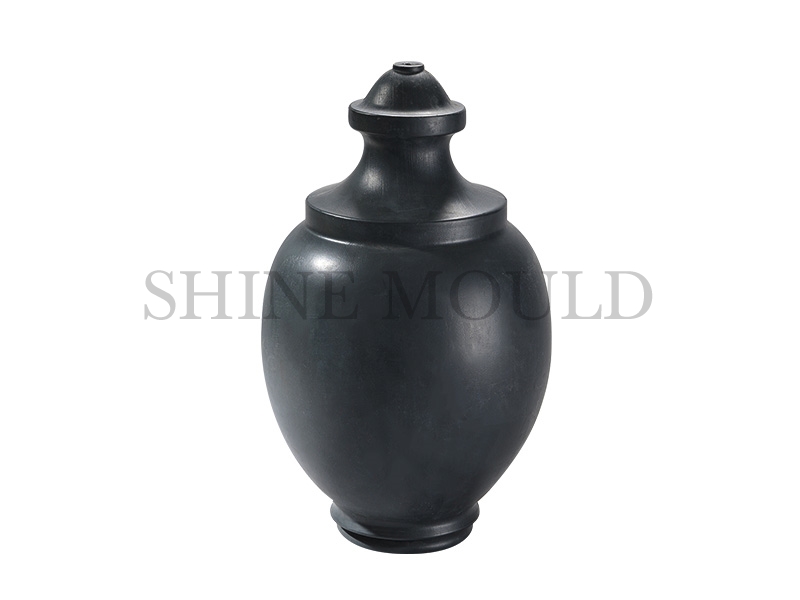
The choice of gate type—whether pinpoint, edge, or submarine—has a direct impact on flow characteristics and surface quality. For delicate packaging, such as cosmetic bottles or beverage containers, gates must be strategically positioned to reduce weld lines and visible blemishes. Incorrect gate placement can create areas of high stress concentration or insufficient filling, causing structural weakness or surface defects. Multi-cavity Package Moulds require additional attention to ensure that each cavity receives molten material simultaneously and evenly, maintaining uniformity across all products.
Flow Balance and Runner Design
Balanced flow through runners is essential for precision and surface quality. Uneven flow can result in differential cooling, causing warpage or dimensional inconsistencies. The runner system should be designed to reduce pressure drops and maintain a steady molten plastic velocity. For multi-cavity moulds, simulation tools can help analyze flow paths and identify potential issues such as dead zones or short shots. Optimized runner diameter and layout also reduce shear stress and prevent burn marks, contributing to a higher-quality finished product.
Cooling Channel Optimization
Temperature control within the mould directly affects surface finish and dimensional accuracy. Improper cooling can cause differential shrinkage, resulting in sink marks or distortion. Cooling channels must be designed to maintain a uniform temperature distribution across the cavity surface. Hot spots should be minimized, and areas with thicker sections may require additional cooling circuits. Effective thermal management ensures consistent solidification and reduces residual stress, producing packaging with smooth surfaces and accurate dimensions.
Surface Finish and Texturing Considerations
The cavity surface finish itself plays a crucial role in the final appearance of the packaging. Polished surfaces yield high-gloss products, while textured surfaces can hide minor imperfections and enhance grip. The mould surface must be properly prepared and maintained to prevent scratches or contamination that could transfer to the packaging. Additionally, the combination of gate design, flow management, and cooling ensures that the intended surface quality is fully realized in the finished product.
Material Compatibility
Different thermoplastic materials have varying flow, shrinkage, and thermal properties. Designers must consider these characteristics when planning the cavity and gate system. Materials with high viscosity may require larger gates or optimized runner paths to ensure complete filling, while highly shrinkable materials may need adjustments in cavity dimensions to maintain precision. Matching the Package Mould design to the selected material is essential for achieving both structural integrity and surface quality.
The cavity and gate design of a Package Mould is fundamental to producing packaging with precise shapes and high-quality surfaces. Strategic gate placement, balanced flow, optimized runners, effective cooling, surface preparation, and material compatibility all contribute to successful moulding. Attention to these design considerations ensures that packaging products not only meet functional requirements but also satisfy aesthetic expectations, making them suitable for competitive markets and consumer demands.