



 Search...
 English
Optimizing Cooling Systems in Bucket Moulds for Efficiency
Introduction to Bucket Mould Cooling Systems
Cooling systems play a pivotal role in the overall efficiency of a Bucket Mould. These systems are designed to manage the temperature of the mould during the production process, ensuring that the final product is formed correctly while reducing cycle times. A well-designed cooling system in a Bucket Mould can drastically improve production efficiency by maintaining suitable temperatures, reducing waste, and increasing the consistency of the final product.
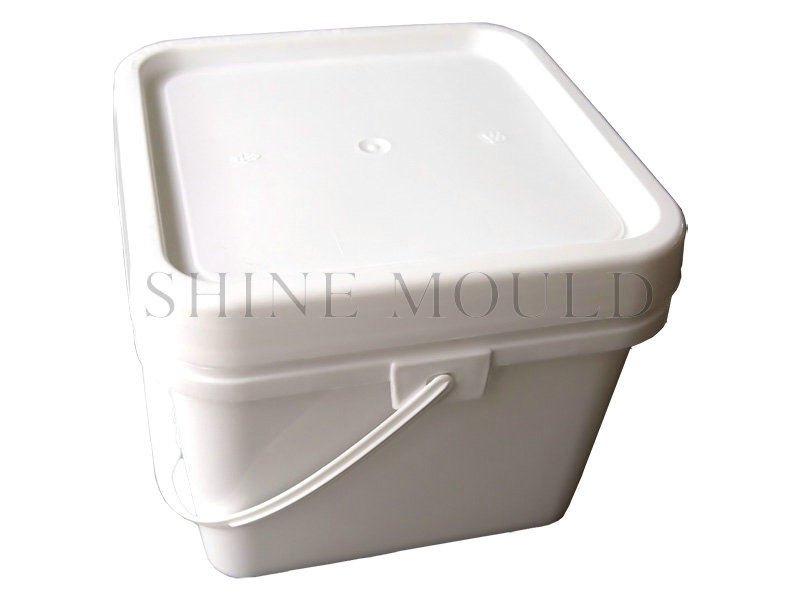
The Role of Cooling in Bucket Mould Production
The cooling phase of the moulding process is crucial because it solidifies the material and ensures the desired shape and properties of the bucket. If the cooling process is too slow, it can cause defects such as warping or inconsistent material hardness. On the other hand, if the cooling is too rapid, it can cause stresses within the material, causing cracks or weak points. Therefore, designing an effective cooling system for a Bucket Mould is essential for maintaining high production rates and consistent product quality.
Designing an Efficient Cooling System
An efficient cooling system in a Bucket Mould should be designed with a few key considerations to ensure it improves production efficiency. One of the primary factors is the even distribution of coolant throughout the mould. Uneven cooling can cause defects in the moulded product, such as uneven shrinkage or deformation. To avoid this, the cooling channels within the mould should be strategically placed to provide uniform cooling across all areas of the bucket.
Another crucial design element is the type of cooling medium used. Water is the commonly used cooling medium because it has a high thermal conductivity, making it efficient for transferring heat away from the mould. However, other coolants, such as oil or specialized fluids, may be used depending on the material being moulded and the specific requirements of the production process. The choice of coolant affects both the cooling rate and the energy consumption of the system.
Optimizing Cooling Channel Design
The design of the cooling channels within the Bucket Mould is critical to the overall cooling performance. The channels should be designed to reduce resistance to coolant flow while ensuring that the coolant makes efficient contact with the surface of the mould. The diameter and shape of the cooling channels must be carefully engineered to allow for a smooth flow of coolant without causing blockages or turbulence.
In addition to channel design, the positioning of the cooling channels is equally important. Channels should be placed close to the surface of the mould to facilitate efficient heat transfer. This ensures that the cooling process is uniform and the bucket is cooled at a suitable rate, reducing the risk of defects such as shrinkage or uneven cooling.
Impact of Cooling System Design on Efficiency
The design of the cooling system within a Bucket Mould is crucial for optimizing production efficiency. By ensuring that the cooling process is uniform and controlled, manufacturers can reduce cycle times, improve product quality, and reduce waste. As technology continues to evolve, the integration of advanced cooling techniques and real-time monitoring systems will further enhance the performance of Bucket Moulds, making the production process faster and more energy-efficient.
.jpg)
.jpg)
