 Search...
 English
Practices For Plastic Basket Mould And Plastic Dustbin Mould Production
A mould enters production only after many earlier decisions have already been made. Product structure, manufacturing sequence, machining allowance, assembly planning, and routine inspection are closely connected. Changing one stage often influences several others, making early preparation an important part of factory work.
Although many manufacturing steps are similar, different plastic products place different demands on mould construction. A storage basket usually contains many openings and supporting ribs, while a dustbin often relies on larger wall sections and a stronger overall shape. Such differences affect design ideas long before metal is cut.
For that reason, a Plastic Basket Mould and a Plastic Dustbin Mould may share similar production equipment while following different planning priorities. Stable manufacturing comes from consistent preparation rather than quick adjustments after machining has already begun.
How Product Structure Changes Mould Planning
Every plastic product creates its own production challenges. Looking only at external appearance rarely provides enough information for mould planning. Internal support, wall distribution, release direction, and overall rigidity all influence how the mould is built.
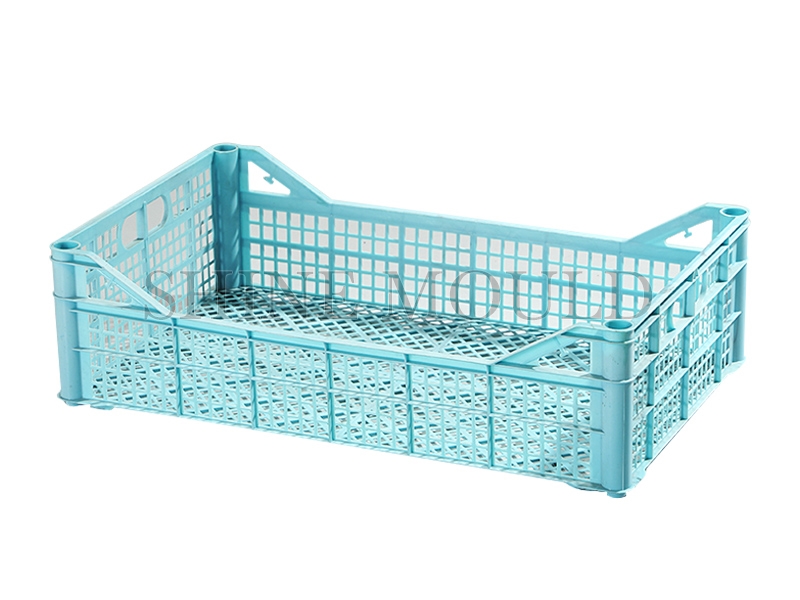
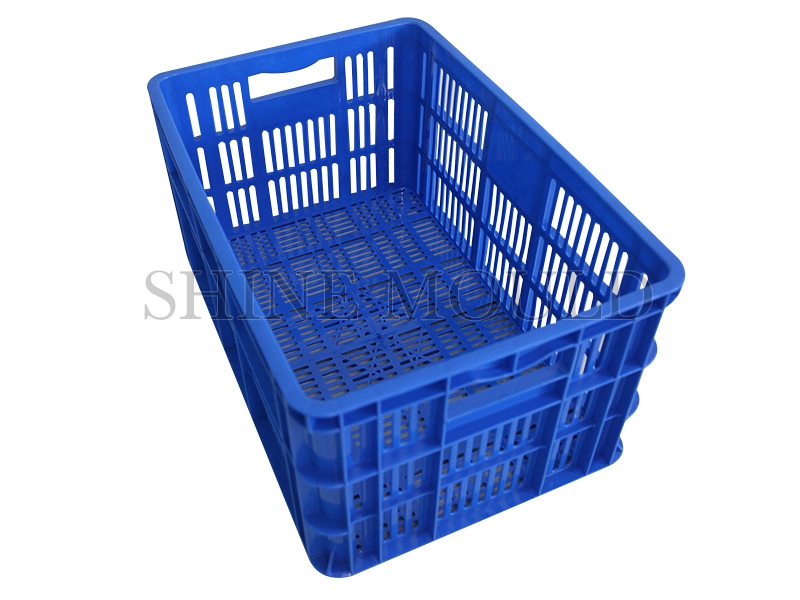
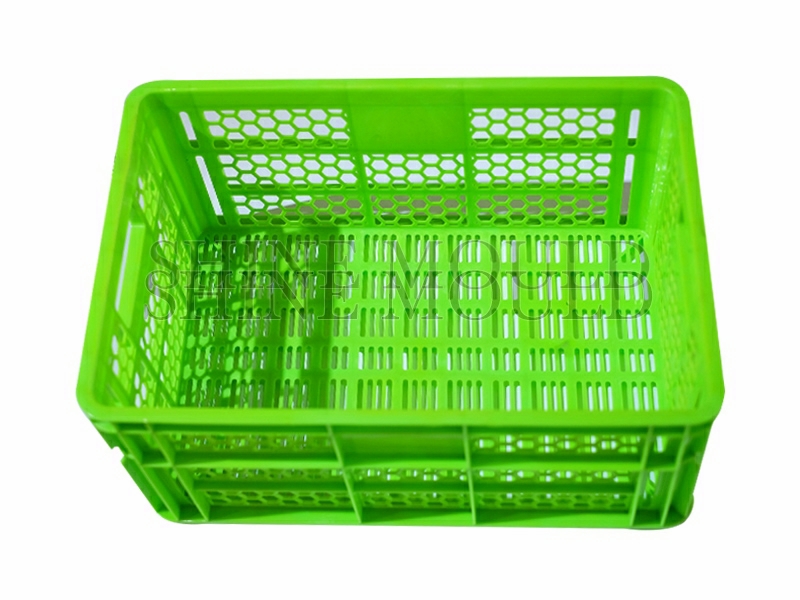
Basket products usually contain many openings that reduce material usage while maintaining daily functionality. Such structures require balanced support inside the mould so every section forms evenly during production. When ribs are distributed without proper consideration, local deformation may appear after moulding.
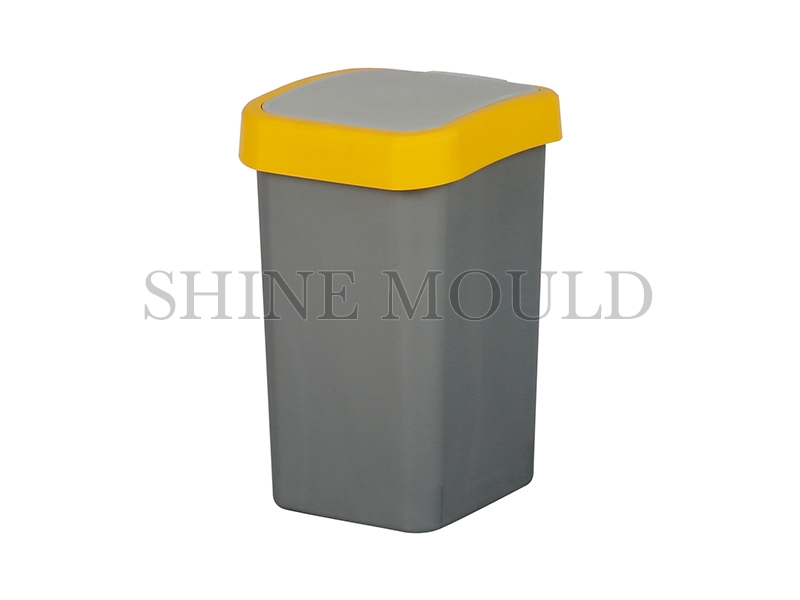
Dustbin products follow another direction. Larger side walls need stable support throughout forming and cooling. Corners, reinforcing areas, and bottom sections often receive additional attention during mould planning because each area experiences different shrinkage conditions during production.
Several points are commonly reviewed before machining begins.
- overall product shape
- wall consistency
- reinforcing structure
- release direction
- appearance requirements
Small adjustments during planning often reduce later modification work. Careful preparation also helps assembly progress more smoothly once every mould component reaches the fitting stage.
Why Material Selection Supports Stable Manufacturing
Material selection affects far more than machining. Surface finish, wear during repeated production, maintenance frequency, and long-term dimensional stability are all connected with the material chosen for the mould.
Rather than searching for one material suitable for every situation, factories often compare manufacturing requirements with expected production conditions. Some moulds require greater attention to surface appearance, while others place more emphasis on repeated production over a longer period.
For a Plastic Basket Mould, many fine structural details need accurate machining so that openings remain clean after moulding. Material capable of maintaining stable machining quality often helps achieve that goal.
A Plastic Dustbin Mould usually contains larger forming areas. Stable material performance helps maintain dimensional consistency during repeated production while also supporting later maintenance work.
Material preparation also includes proper inspection before machining starts. Surface condition, internal quality, and preparation for cutting all contribute to smoother manufacturing later in the process.
What Machining Practices Improve Production Stability
Machining is often treated as one continuous operation, although experienced workshops usually divide it into several stages. Each stage has its own purpose, allowing gradual correction before the next process begins.
Large material removal generally comes earlier, leaving enough allowance for later finishing work. Dimensional checks continue throughout production instead of waiting until every operation has been completed. Small corrections become easier while parts remain in the machining stage.
| Production Stage | Main Attention |
|---|---|
| Material preparation | Stable machining foundation |
| Rough machining | Shape formation |
| Intermediate inspection | Dimensional confirmation |
| Surface finishing | Smooth cavity condition |
| Assembly preparation | Component matching |
Assembly becomes easier when every component has already passed routine inspection. Time spent checking dimensions during machining often reduces adjustment work after assembly begins.
Surface quality also deserves attention. A clean cavity not only affects product appearance but also supports smoother product release during later production.
How Cooling Layout Supports Stable Production
Temperature changes continue throughout every molding cycle. A mould does not simply form a plastic part and wait for the next cycle. Heat enters, spreads through the mould body, then leaves before another cycle begins. A balanced cooling layout helps every area move through that process at a similar pace.
For basket products, many narrow ribs and open sections lose heat differently from solid areas. Air gaps between ribs also change the way heat leaves the product. Cooling therefore needs to reach different regions as evenly as possible rather than concentrating on one location.
A Plastic Dustbin Mould presents another situation. Larger wall sections hold heat longer, especially around corners and reinforced areas. When one section cools much faster than another, small shape changes may appear after demoulding, making later stacking or assembly less stable.
Cooling planning is often discussed together with product structure instead of treating it as an independent step. A balanced layout usually allows the mould to work with fewer unexpected interruptions during daily production.
Several practical points are often reviewed.
- similar cooling conditions across different cavity areas
- smooth circulation throughout the mould
- enough attention to thicker product sections
- convenient cleaning during routine maintenance
Cooling is not simply about making the mould colder. The purpose is to allow every section of the product to pass through a similar temperature change before ejection.
Why Product Release Deserves Careful Planning
Removing a finished product from the mould looks simple from the outside, although the movement has already been considered during the design stage.
Basket products contain many openings, ribs, and supporting frames. Uneven pushing force may leave marks on thin sections or slightly change the product shape. For that reason, the release system is usually arranged so force is shared across different contact points instead of concentrating in one small area.
A Plastic Basket Mould often requires careful attention to slender structural features. Smooth product release helps maintain the original shape and reduces unnecessary handling after molding.
Dustbin products usually have deeper forming areas and larger side walls. During product release, every section should leave the cavity in a stable and controlled way. Balanced movement reduces unnecessary stress on both the mould and the finished product.
Several details are commonly checked before production begins.
- position of the release system
- balance of pushing force
- contact with product surfaces
- movement of sliding components
- smooth return before the next cycle
Small improvements made during assembly often make routine production more stable later.
How Daily Maintenance Supports Long-Term Production
Maintenance begins after production stops rather than waiting until problems appear. Dust, plastic residue, and moisture can gradually collect inside the mould, especially around corners and moving areas. Regular cleaning helps keep every component working smoothly.
Inspection is equally important. Wear rarely appears across the whole mould at the same time. Small changes often begin around moving parts, guide areas, or contact surfaces. Looking over those locations during routine maintenance makes later repair work easier to arrange.
Daily maintenance usually includes simple tasks.
- remove remaining plastic from cavity surfaces
- clean ventilation and moving areas
- check sliding movement
- apply suitable lubrication where needed
- store the mould in a clean and dry environment
Production records also have practical value. Small observations made after each production run often help explain changes noticed later. Instead of relying on memory alone, routine records allow maintenance work to follow a clearer pattern.
A Plastic Dustbin Mould and a basket mould may require different inspection points because their structures are different, although both benefit from regular care and consistent maintenance habits.
How Basket And Dustbin Moulds Differ During Production
Both mould types follow similar manufacturing principles, while product structure creates different priorities during production.
| Production Item | Plastic Basket Mould | Plastic Dustbin Mould |
|---|---|---|
| Product shape | Open framework | Closed container |
| Wall layout | Thin supporting sections | Larger continuous walls |
| Cooling focus | Even cooling around ribs | Stable cooling across wider areas |
| Product release | Protect thin features | Support complete release |
| Production attention | Shape consistency | Structural stability |
Such differences influence planning from design through maintenance. A basket mould often requires closer attention to fine structural details, while a dustbin mould places greater emphasis on larger forming surfaces and balanced cooling.
Looking at the product before planning the mould usually helps create a smoother production process.
Why Consistent Factory Practices Matter Throughout Production
Stable production rarely depends on one operation alone. Design preparation, machining, assembly, cooling, product release, and maintenance all connect with one another.
Small checks completed every day often prevent larger adjustments later. A clean mould, careful inspection, and orderly production records help maintain stable working conditions throughout repeated manufacturing.
A Plastic Basket Mould and a Plastic Dustbin Mould serve different products, although many manufacturing ideas remain closely related. Careful planning before production begins, together with regular maintenance after production ends, creates a more consistent workflow and helps every stage connect naturally with the next one.