 Search...
 English
Should Plastic Flower Baskets Be Designed for Reuse
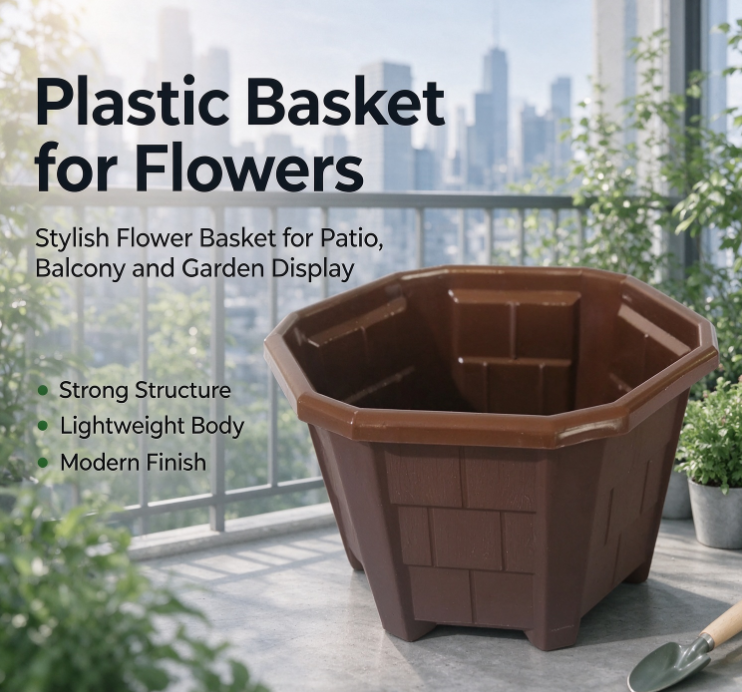
Plastic Basket for Flowers are a familiar sight in the floral trade. Flower shops, wholesalers, event planners, and retailers use them to display, package, and carry flowers. Shapes, colors, and sizes can be adapted to many arrangements, so they work for commercial and personal purposes alike.
How people treat them is changing, though. A customer buys flowers for a celebration, a gift, or home decoration, and the basket is left over once the stems come out. Some keep it for the next arrangement. Others throw it away because they can't think of anything to do with it.
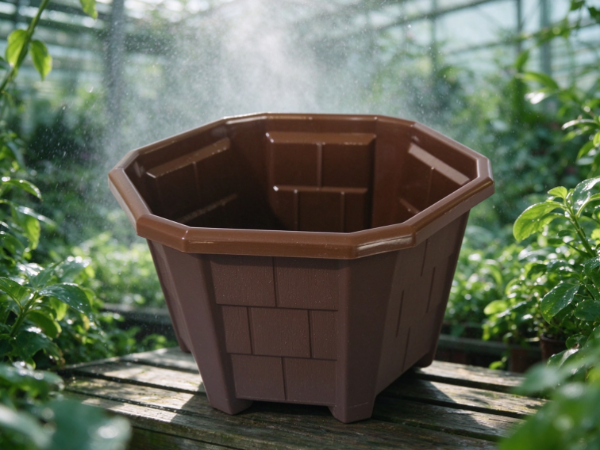
That raises a fair question for plastic flower basket manufacturers: should reuse be built into the design from the start?
Reusable design isn't just about making a basket last longer. It means thinking through structure, material, appearance, cleaning, and what the basket could do after its first job is finished. These choices affect how customers see the product and how businesses handle floral packaging.
For manufacturers, there's an opening here too. A basket with several uses can appeal to flower retailers, gift businesses, and shoppers who like practical things. Even so, it still has to arrange and present flowers well.
Why Is Reusability Becoming Important in Plastic Flower Basket Design?
Traditional flower baskets are usually built around one purpose: hold flowers, support the arrangement, and look good doing it. Remove the flowers and the basket often has no role left.
That limits its useful life. The basket may be perfectly sound, yet the design gives customers little reason to keep it. Odd shapes, fragile decoration, or awkward storage can make reuse a hassle.
Reusable design flips the thinking. Rather than focusing only on the moment the flowers are presented, manufacturers ask what customers might do with the basket afterward.
A plastic flower basket might later hold small household items, serve as a decorative storage holder, or carry a suitable plant. A plain shape also lets customers use it for different arrangements without changing its basic structure.
Several forces are pushing in this direction.
Changing consumer expectations
Many shoppers care about how long a product stays useful. They often prefer items with more than one purpose over things tossed after a single occasion.
A reusable basket offers value beyond the flowers it first holds. That can sway buying decisions, especially when the basket is part of a gift or decorative set.
Growing interest in waste reduction
Packaging and decorative containers tend to see short use. Businesses have started asking whether some of them could stay in service longer.
Plastic flower baskets are worth a look because many keep their shape after the original contents are gone. How reusable they really are depends on material quality, construction, and care.
New product development opportunities
Reusable design gives manufacturers more ways to grow a product range. Instead of baskets that serve only one floral purpose, they can explore designs for flowers, gifts, storage, and home decoration.
Not every basket has to do everything. The point is to think about later uses during the first design stage.
What Design Features Make a Plastic Flower Basket Suitable for Reuse?
A reusable basket has to work well past its first job. Customers should be able to carry, clean, store, and use it again without fuss.
Start with the basic structure. A stable base and a sensible overall shape make a basket easier to adapt. If it tips over or has an awkward opening, everyday use becomes annoying.
Handles matter as well. They should feel comfortable and cope with the intended load. A basket made for carrying flowers may later haul household items, so the handle needs to handle reasonable use.
Surface design plays a part too. Bold patterns may suit one celebration but look out of place at home. Neutral colors and simple details give customers more freedom to use the basket in different settings.
Manufacturers may consider these features:
| Design Feature | Role in Reusable Design |
|---|---|
| Stable base | Helps the basket remain upright during different uses |
| Comfortable handles | Makes carrying and handling more convenient |
| Durable structure | Supports repeated handling and ordinary use |
| Smooth surface | Makes cleaning and maintenance easier |
| Simple appearance | Allows the basket to fit different decorative settings |
| Practical opening | Makes it easier to place and remove different items |
| Stackable shape | Helps reduce storage difficulties when baskets are not in use |
The features need to work as a set. A good-looking basket can still be hard to reuse if the handle is weak or the base wobbles.
Appearance and function also have to be balanced. A decorative basket should still offer enough space and structural support for its job.
The aim isn't to strip creativity out of floral products. It's to make decorative value fit with practical use.
Can Plastic Flower Baskets Serve Purposes Beyond Flower Arrangements?
Part of the case for reusable plastic flower baskets is that they can do other jobs. Their usefulness doesn't have to stop once the flowers come out.
What they can do depends on shape, size, material, and construction. Some designs suit decoration, while others fit storage or everyday organizing better.
Home decoration
After the flowers are gone, a plastic basket can stay in the home. Customers may fill it with artificial flowers, decorative branches, or seasonal ornaments.
Simple designs work better here, since they blend into different interior styles without drawing attention.
Some baskets can also sit on shelves, tables, or entryway surfaces as decorative containers. Their colors and shapes can echo other household decorations.
Household storage
Storage is another option. Smaller baskets can hold stationery, craft supplies, accessories, or other light items.
An open structure makes contents easy to see and reach. A stable base lets the basket sit on a shelf or inside a cabinet.
Manufacturers should check that the size and structure suit these uses. A basket with a very narrow opening, for example, is a poor fit for larger items.
Gift packaging
Plastic flower baskets also work for gift arrangements. Customers may keep them for future gifts or seasonal displays.
A reusable basket can become part of the gift instead of throwaway packaging. That suits retailers who sell flowers alongside snacks, cosmetics, small accessories, or decorative goods.
Plant containers
Some baskets may hold potted plants or decorative plant containers. Not every design is suited to direct planting, however.
Drainage, moisture exposure, and material suitability all need thought. Without proper drainage, customers may have to put a separate plant pot inside.
The distinction matters. Manufacturers shouldn't imply that every decorative basket can double as a planter.
This table shows how different designs can support different uses.
| Reuse Application | Suitable Design Considerations |
|---|---|
| Home decoration | Simple appearance and adaptable shape |
| Household storage | Stable base and accessible opening |
| Gift packaging | Attractive appearance and practical carrying structure |
| Artificial flower display | Suitable depth and decorative surface |
| Plant container holder | Appropriate dimensions and moisture considerations |
| Craft organization | Easy-to-clean surface and convenient access |
Planning for these uses during development lets manufacturers build baskets that stay useful in many settings.
How Does Material Selection Affect the Reusability of Plastic Flower Baskets?
Material has a direct effect on how a basket holds up over repeated use. A design can look great, but if the material turns brittle, loses its shape, or cracks under ordinary handling, reuse won't get far.
Manufacturers should match material properties to the intended application. Flexibility, structural strength, surface quality, and resistance to everyday handling all count.
Plastics differ in character, and the right pick depends on the basket's structure, appearance, production method, and expected use.
A material with some flexibility may suit certain shapes. Other designs need a more rigid build to carry their contents and keep their form.
Several points deserve a look.
Resistance to repeated handling
A reusable basket gets lifted, moved, stored, and cleaned over and over. Material and structure should be up to these ordinary tasks.
Handles and connection points need extra care because they take repeated stress. Poorly designed ones make the basket hard to carry after regular use.
Surface condition
The surface affects looks and upkeep. Rough or intricate patterns trap dirt and make cleaning harder.
A fairly smooth surface makes routine care easier and helps the basket stay tidy across different uses.
Moisture and cleaning considerations
Flower baskets may meet water, floral material, soil, or other substances. For a reusable basket, the material should be judged against those conditions.
Manufacturers should also think about how customers will clean it. If upkeep is complicated, people are less likely to keep using it.
Material compatibility with production
The chosen material also has to suit the manufacturing process. Shape, wall structure, surface details, and handle design all affect production requirements.
Manufacturers must balance material traits against the practical demands of molding and other stages. A design that looks fine on paper may need changes before it can be made consistently.
So choose the material with both the basket's original function and its future uses in mind.
Should Plastic Flower Baskets Have a Simple or Decorative Appearance?
Looks matter in floral products. Flowers are bought for emotional moments, celebrations, and gifts. The container is part of the presentation, and its design shapes how customers see the arrangement.
A basket meant for reuse faces a different test, though. It has to look right after the flowers and decorations are gone.
That sets up a trade-off between decorative appeal and long-term versatility.
Themed designs can work well for specific occasions. Holiday patterns, bright seasonal colors, or special shapes give an arrangement a distinct look. But customers may struggle to use the same basket in everyday settings.
Simple designs take another route. Neutral colors, balanced proportions, and restrained surface detail suit many occasions.
That doesn't mean reusable baskets must look dull. Texture, subtle patterns, and carefully chosen colors can add interest without closing off later uses.
A few approaches are worth considering:
- Neutral color combinations: These match different flowers, decorations, and interior styles.
- Removable decorations: Separate decorative parts let customers change the basket's look.
- Simple structural shapes: These make it easier to use the basket for different purposes.
- Flexible visual themes: Designs not tied to one celebration can stay relevant longer.
- Coordinated product collections: Varied sizes and colors support a consistent retail display while giving customers different uses.
Another option is to separate the basic basket from its decoration. A manufacturer could make a simple basket structure and let retailers or customers add ribbons, labels, fabric trims, or other accessories.
That way the same basic product can serve different markets, with no need for a new structure for every occasion.
How Can Manufacturers Balance Reusability with Production Costs?
Designing for reuse adds things to think about in development. A basket meant for repeated use may need changes to its structure, material, handle design, or surface treatment.
Those changes can move manufacturing costs. Manufacturers need to ask whether each added feature brings real practical value.
Piling on material doesn't make a product more reusable by itself. A heavier basket can be harder to carry, and a complicated structure can raise production difficulty and cleaning effort.
The target is a product that supports repeated use without needless complexity.
Designing for practical durability
Think about durability in terms of how customers will use the basket. A product for light household storage doesn't need the same build as one carrying heavier floral arrangements.
Manufacturers should pin down expected applications before deciding where extra structural support is needed.
Reducing unnecessary design elements
Decorative details add appeal but can complicate production. Raised patterns, attached parts, or narrow openings may also make cleaning harder.
A simpler structure eases these problems and keeps the product looking good.
Considering production efficiency
Reusable baskets still have to be practical to make. Designers should consider how shape, wall structure, and handle arrangement affect molding and assembly.
Designs that are hard to produce consistently create extra inspection and production trouble.
Reviewing packaging and transportation
A reusable basket must also reach retailers and customers in good shape. Its form affects how products are stacked, packed, and shipped.
Stackable designs ease storage problems. The stacking structure shouldn't, however, cause deformation or damage.
Manufacturers can look at these details during development instead of treating packaging as an afterthought.
A practical reusable design should support the whole product journey, from production and transport to customer use and storage.
What Should Buyers Look for When Choosing Reusable Plastic Flower Baskets?
For wholesalers, flower retailers, and distributors, choosing reusable baskets takes more than picking a color or shape.
Buyers should think about how the products will be used, who will buy them, and whether the design fits the target market.
A basket for flower shops may need to carry different arrangements and suit retail displays. One sold through household goods stores may need a more general look and extra storage uses.
Seeing these differences helps buyers explain their needs to manufacturers.
Product structure and durability
Check the base, handles, edges, and overall construction. These areas decide how the product can be handled and whether it holds up to repeated use.
Samples let buyers judge the real structure instead of relying on photos or descriptions.
Material information
The material should fit the intended application. Buyers can ask manufacturers about material characteristics, cleaning considerations, and suitability for repeated handling.
If the basket will meet moisture or other substances, raise those conditions too.
Design flexibility
Buyers may want different shapes, colors, or sizes for different retail markets. Find out which features can be customized and whether decorative elements can be changed separately.
That helps businesses build product collections with a shared look that still serve varied customer tastes.
Cleaning and maintenance
A reusable product should be fairly easy to keep clean. Consider whether the surface has hard-to-clean spots and whether the structure lets customers remove dirt or floral residue easily.
Clear care instructions can also help retailers explain upkeep to customers.
Packaging and storage
Basket shape affects storage and transport. Buyers should check whether designs stack and whether the packaging protects goods in transit.
These details can shape storage arrangements at retail sites and distribution centers.
Manufacturer communication
A manufacturer should be able to talk through material, structure, customization options, and production requirements.
Buyers can describe their target market and expected uses during development, so both sides can judge whether the proposed design works before larger production orders begin.
Reusable plastic flower baskets link product design to changing consumer habits. Making one is about more than stretching the life of a decorative container. Material choice, structure, visual flexibility, cleaning, storage, and manufacturing methods all decide whether customers will find a basket useful once its floral job is done.