 Search...
 English
Temperature Regulation Requirements in Injection Molding for Children Toy Mould Applications
The Importance of Temperature Control in Plastic Toy Molding
In the production of plastic toys, temperature regulation plays a critical role in achieving quality, safety, and consistency. Specifically, when using a Children Toy Mould, the mold temperature, melt temperature, and cooling conditions directly impact surface finish, mechanical strength, and dimensional stability. Toys are subject to strict safety and aesthetic standards, and thus, the precision of thermal control becomes even more vital. Any deviations in temperature during injection molding can cause surface defects, incomplete filling, warping, or internal stress, which are unacceptable in products made for children.
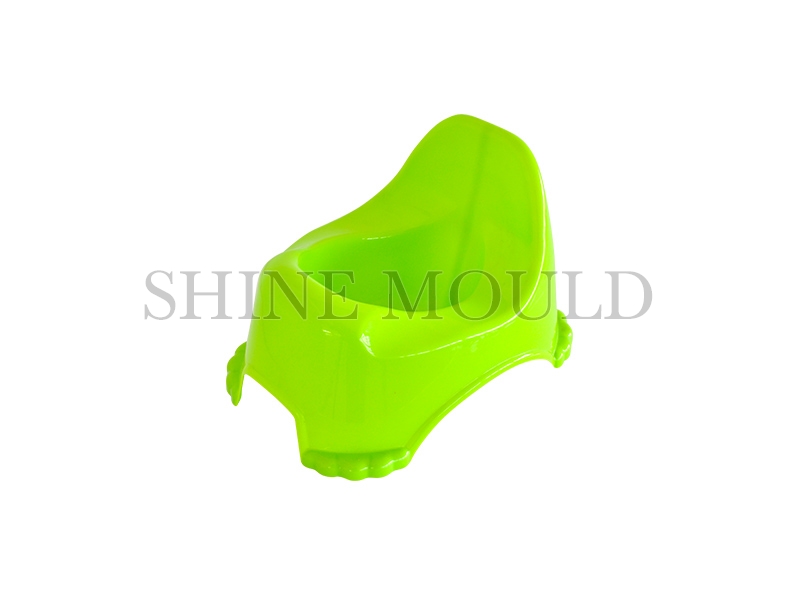
Mold Temperature and Material Compatibility
One of the foremost factors in determining ideal temperature parameters is the compatibility between the mold and the selected plastic material. Commonly used polymers such as ABS, PP, or HDPE each have specific melting points and mold temperature requirements. The mold temperature must be maintained within a suitable range to ensure that the molten plastic flows evenly into all cavities of the mold, particularly for intricate toy designs. If the mold is too cold, it can cause premature solidification, resulting in short shots or weak weld lines. Conversely, a mold that is too hot may delay cooling and compromise production efficiency.
Melt Temperature and Flow Dynamics
The melt temperature of the plastic has a significant influence on the injection process. A uniform and properly heated melt ensures smooth flow into the mold, especially important for multi-part toys with tight tolerances or fine detailing. For children's toys, a controlled melt temperature helps avoid air entrapment, shrinkage marks, and burning. The temperature must be accurately calibrated for the type of polymer in use, and even slight fluctuations can affect the flow rate and cause inconsistencies between molded parts. Inconsistent melt temperatures may also alter the color consistency, a critical aesthetic requirement in toy production.
Cooling Phase and Cycle Time Optimization
Following injection, effective cooling is essential to maintain part stability and reduce cycle time. The cooling system in the mold must be engineered to distribute temperature evenly across all sections. Uneven cooling can cause warping, sink marks, or internal stress in the toy parts, reducing their durability and safety. In high-volume production scenarios, efficient cooling shortens cycle time, increases throughput, and ensures uniform part quality. Therefore, temperature control in the cooling phase is just as critical as in the heating phase.
Thermocouple Placement and Real-Time Monitoring
Modern injection molding systems rely heavily on thermocouples and automated temperature control systems to maintain consistent temperatures throughout the process. Strategically placed sensors allow for real-time adjustments, preventing overheating or underheating of specific mold zones. This is particularly important when producing toy components with varying wall thicknesses or multi-material elements. For example, thermoplastic elastomers used for soft grips or flexible joints must be processed at different temperatures compared to rigid plastic sections.
Quality Assurance Through Thermal Stability
Maintaining thermal stability throughout the molding process enhances product quality and reduces scrap rates. In toys, where safety and compliance with global standards like EN71 or ASTM F963 are non-negotiable, any defect can cause a failed batch. Therefore, manufacturers must invest in precise temperature control systems and perform regular calibration of heating and cooling units. Controlled temperature environments also help in reducing energy waste, optimizing production costs over time.
Temperature control in injection molding is more than just a technical necessity—it is foundational to producing safe, durable, and aesthetically pleasing toys. From mold design to cooling system integration, every aspect of thermal management must be meticulously executed. By mastering the relationship between mold temperature, melt flow, and cooling dynamics, manufacturers ensure that every part molded using a Children Toy Mould meets stringent quality and safety expectations, fostering trust and satisfaction among end-users and regulatory bodies alike.