



 Search...
 English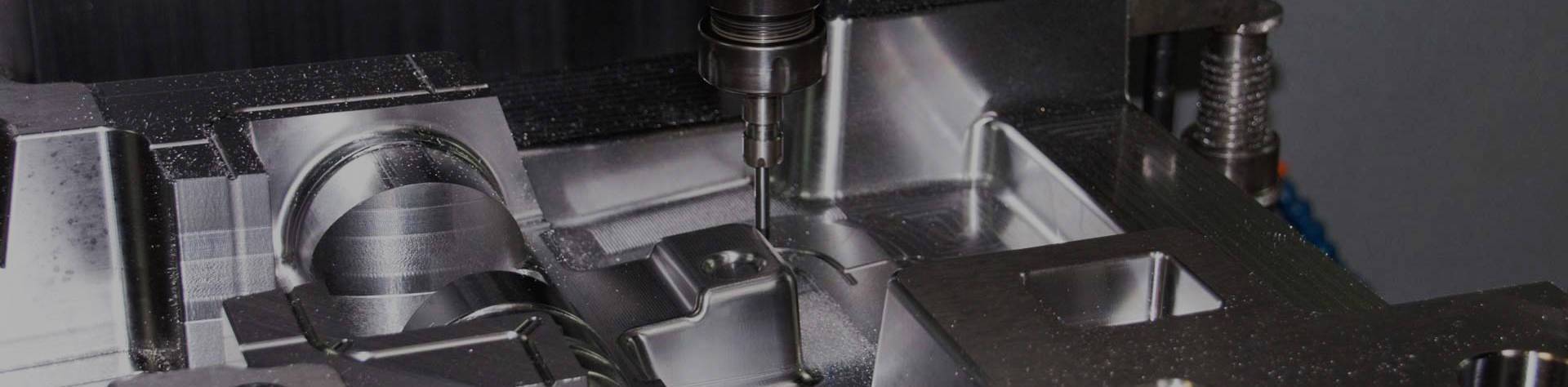
The Features That Define a High-Quality Basket Mould
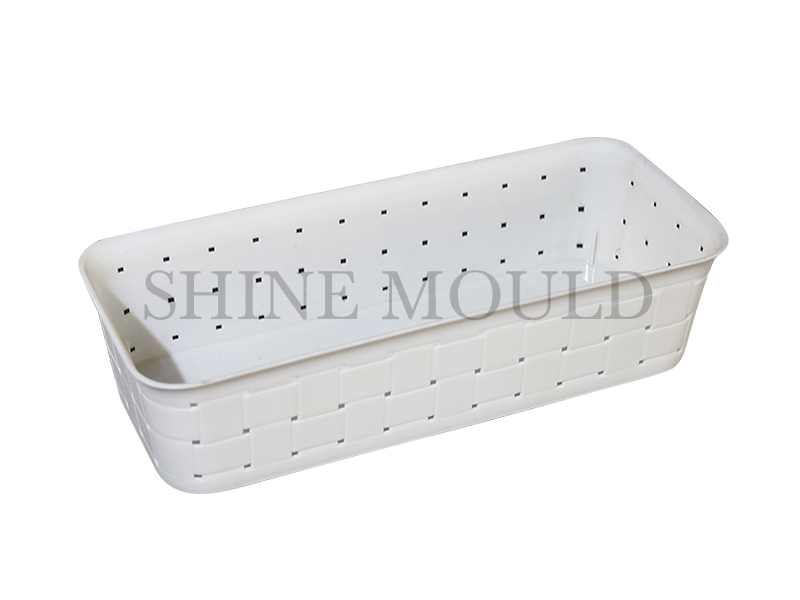
In the world of plastic manufacturing, choosing the right Basket Mould is essential for producing reliable, durable, and well-formed products. While various types of moulds are used in the industry, the mould holds a specific place due to its role in creating items like storage baskets, laundry baskets, and utility bins. Understanding the features that set a high-quality Basket Mould apart helps manufacturers achieve consistent results while maintaining efficiency in production.
One of the key features of a dependable Basket Mould is its material. High-grade mould steel is often selected for its hardness, wear resistance, and ability to withstand high moulding pressures. The strength of the material directly affects the mould’s service life and how well it maintains its shape over repeated use. A well-constructed mould made from quality steel resists deformation and cracking, even under continuous production cycles.
Precision in design is another critical characteristic of a high-quality Basket Mould. The design determines the overall shape, structure, and finish of the final product. Uniform wall thickness, smooth surface textures, and accurate detailing are all influenced by the mould’s precision. A carefully engineered mould ensures that every finished basket meets the required specifications, reducing the risk of defects like uneven surfaces or weak spots.
Cooling systems also play an important role in the efficiency and performance of a mould. Since plastic moulding involves high temperatures, an effective cooling system helps control the mould’s temperature during production. A good mould typically features strategically positioned cooling channels to maintain even temperature distribution, which shortens cycle times and improves product consistency.
Another important feature is the mould’s ejection system. After the plastic has been shaped and cooled, the product must be safely removed from the Basket Mould without damage. A reliable ejection system uses pins, plates, or sleeves to release the basket cleanly, preventing sticking or deformation. The design of this system affects both the production speed and the quality of the finished item.
The surface finish of a Basket Mould can also influence the appearance and texture of the final product. Manufacturers often polish the mould’s cavity to achieve a smooth or patterned surface, depending on the basket’s intended use. A polished mould provides a clean, consistent finish that enhances the product’s visual appeal and user experience.
Durability is another feature that defines a high-quality Basket Mould. Since these moulds are used in demanding industrial environments, they must endure continuous operation without significant wear. A well-made mould retains its precision and structural integrity over thousands of cycles, offering consistent results and reducing downtime for maintenance or repair.
Interchangeable inserts are a valuable option for some mould designs. These inserts allow manufacturers to produce different basket sizes or styles using a single mould base, offering greater flexibility in production. This feature can help businesses adjust to changing market demands without the need for entirely new moulds, making the mould a practical investment.
Ventilation is another aspect that contributes to the efficiency of a Basket Mould. During the moulding process, air needs to escape the cavity to avoid trapping bubbles in the final product. A high-quality mould incorporates well-designed venting systems that allow air to exit smoothly without leaving marks or affecting the surface quality of the basket.
The alignment and balance of a Basket Mould are also important. Precise alignment ensures that both halves of the mould close evenly, preventing flashing and ensuring uniform product dimensions. A balanced mould reduces strain on the injection moulding machine and improves the overall stability of the production process.
Ease of maintenance is a practical feature for any Basket Mould used in regular operation. Moulds that are easy to disassemble and clean help reduce production delays and extend the tool’s service life. A thoughtfully designed mould allows for simple removal of components, quick adjustments, and efficient maintenance routines.
Finally, the weight and size of a Basket Mould must be suitable for the intended injection moulding machine. An overly heavy or oversized mould can cause strain on machinery and increase operational risks. A well-proportioned mould fits securely into the production setup and operates smoothly, contributing to a safer and more reliable manufacturing process.
.jpg)
.jpg)
