



 Search...
 English
The Importance of Temperature Control in Package Moulding
Introduction to Package Moulding Temperature Control
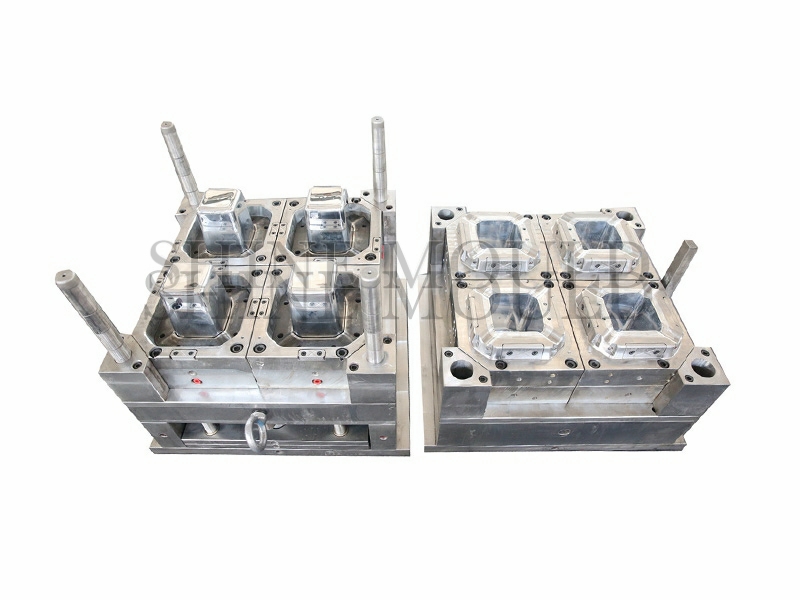
Temperature control during the forming process of a Package Mould is one of the critical aspects in achieving high-quality, efficient production. In the packaging industry, where precision and consistency are paramount, maintaining the right temperature throughout the moulding process directly affects the properties of the final product. Temperature fluctuations can cause defects, inefficiencies, and increased production costs, making it essential to control the heat at every stage of the moulding process.
Why Temperature Control Matters in Package Moulding
The primary goal of temperature control in Package Moulding is to ensure that the material used in the mould maintains the correct flow and solidifies uniformly. The moulding process typically involves heating a polymer or plastic material until it becomes malleable, then cooling it to solidify into the desired shape. If the temperature is too high or too low, the material may not flow properly, causing inconsistent thickness, weak spots, or incomplete filling of the mould. These defects not only compromise the quality of the final package but also result in waste and increased production time.
Impact on Material Flow and Mould Filling
Proper temperature management ensures that the material flows smoothly into the Package Mould, filling all areas evenly and thoroughly. If the material is too hot, it may become overly fluid, causing it to flow too quickly and possibly miss details or cause uneven thickness. Conversely, if the material is too cool, it can become too thick and resistant to filling the mould, causing air pockets or incomplete parts. Consistent temperature control helps maintain the correct viscosity and flow characteristics of the material, which are essential for producing accurate, high-quality packaging.
Temperature Control and Cooling Phases
Once the material is shaped in the mould, the cooling phase becomes equally important. If the temperature isn’t controlled properly during cooling, uneven cooling rates can cause distortion or warping of the package. Inconsistent cooling may also result in different shrinkage rates across the mould, which can cause dimensional inaccuracies. The cooling process must be carefully monitored to ensure that the temperature decreases at a uniform rate, allowing the material to contract evenly and retain its shape.
Reducing Defects with Temperature Control
Defects like sink marks, warping, and brittleness often arise from improper temperature regulation. For instance, if the moulded package cools too quickly, internal stresses can develop, causing warping or cracking. If the material cools too slowly, it may result in sink marks where the thicker sections of the package do not shrink at the same rate as thinner areas. A well-maintained temperature control system ensures that these problems are reduced, causing more consistent, defect-free packaging.
The Role of Temperature Control in Package Moulding
Temperature control is a crucial factor in the successful production of high-quality packages. From material flow to cooling and final shaping, maintaining the right temperature ensures uniformity, reduces defects, and increases overall production efficiency. Proper temperature management in Package Moulding not only enhances the product but also improves operational efficiency, ultimately contributing to a more cost-effective production process.
.jpg)
