 Search...
 English
The Role of Bucket Molds in Modern Plastic Packaging
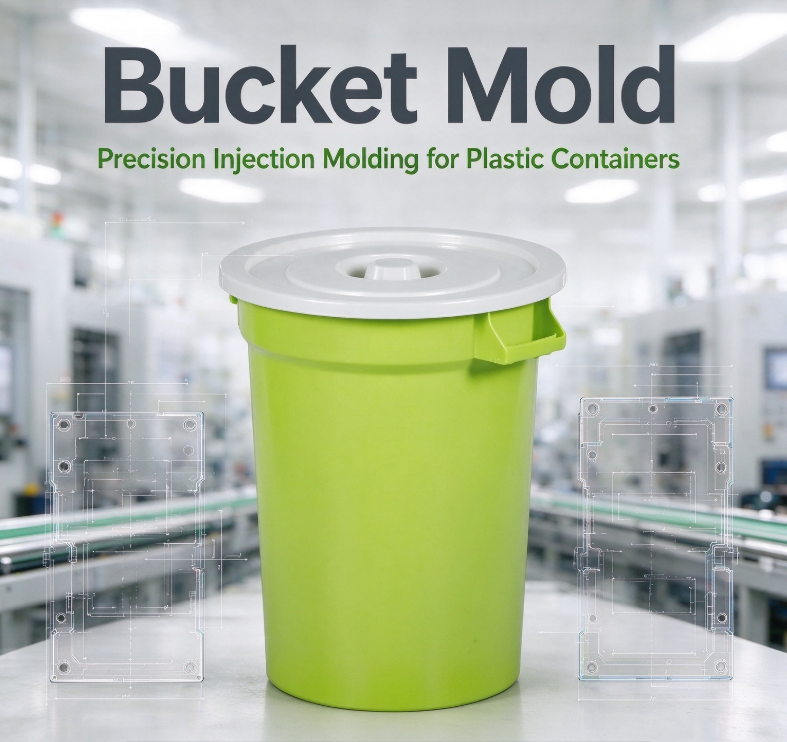
Plastic packaging carries products through storage, transport and distribution in nearly every industry. Food, household goods, construction materials and industrial supplies all travel in plastic buckets, which are practical, reusable and fit many storage needs. Shapes, sizes and features change with whatever the bucket is meant to hold.
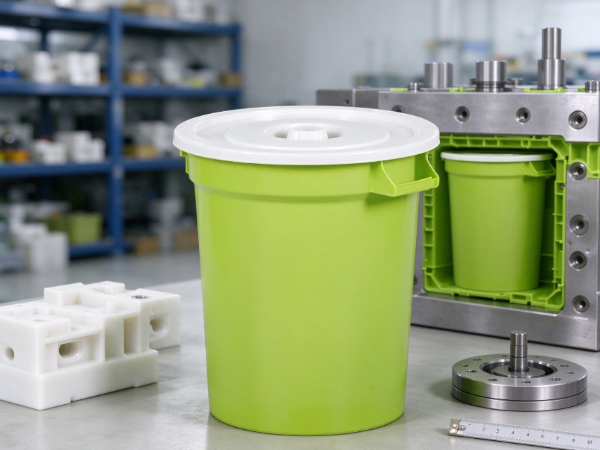
Every one of these everyday containers starts with a manufacturing process, and the bucket mold sits at its center. It shapes plastic into containers that meet practical requirements for strength, appearance and usability. It also affects how efficiently manufacturers can produce different bucket designs and react to shifting market demand.
Packaging expectations keep evolving, so molds are now more than basic production tools. Their design shapes how finished containers look, how people use them and how flexible the manufacturing process can be. Looking at their role shows how mold development and modern plastic packaging are tied together.
What Role Do Bucket Molds Play in Plastic Packaging Production?
A mold forms plastic material into a bucket with a defined shape and structure. It sets the container's basic look, including the body, bottom, opening and other design features. The finished bucket may serve for storage, transport, household organization or product packaging.
The mold directly affects how consistent the final product is. When its structure follows the intended bucket shape, manufacturers can turn out containers with matching dimensions and appearance throughout a production run. That consistency matters when buckets ship in large quantities or form part of a company's regular packaging system.
Molds also let manufacturers develop different product styles. Some buckets have straight walls and plain openings. Others add curved surfaces, reinforced edges, fitted lids or specially designed handles. These details look minor, yet they change how people carry, open, stack and store the containers.
So a mold does more than form a hollow plastic shell. It links product design with manufacturing requirements. A suitable mold turns a packaging concept into a practical product for everyday commercial use.
That link matters to packaging manufacturers. A bucket must hold its contents, but it should also be easy to handle, convenient to store and right for the setting where it will be used.
How Does Bucket Mold Design Influence the Quality of Plastic Buckets?
Mold design affects several visible and functional features of the finished container. Overall shape, wall structure, opening, base and edge details all come from how the mold is developed. If these elements aren't properly considered, the bucket may end up with an appearance or structure that misses its purpose.
Shape is one of the noticeable factors. A bucket with a stable base stands securely during filling and storage. The upper opening should give easy access to the contents. The body shape also affects how easily the container can be handled and arranged with other products.
Wall consistency is another key point. The body needs to support the intended contents. Uneven wall formation can hurt the container's appearance and strength, so mold design should account for how plastic flows and fills the space during production.
The joint between body and bottom deserves attention too. This area can come under pressure when the bucket is filled, lifted or set down. A carefully designed structure helps the container hold its form in normal use.
Surface appearance matters in modern packaging as well. Smooth finishes, decorative patterns and molded details can give a bucket a distinct visual identity. Some applications call for a simple look, while others use surface design to help products stand out on shelves.
All this shows why mold development should start from the bucket's intended use. A design for household storage may face different requirements from one for industrial materials. The mold needs to reflect those differences instead of treating every bucket alike.
Why Are Different Bucket Designs Needed for Modern Packaging?
Plastic buckets serve many purposes, and designs have developed to meet different packaging and storage needs. One container style can't cover every application, so manufacturers need molds that support varied shapes, structures and functional details.
Household buckets usually stress easy handling and everyday storage. Their design may include comfortable edges, practical handles and shapes that are simple to clean. Some hold water or cleaning products, while others keep household items organized.
Food packaging brings other considerations. Containers for food may need suitable closures and surfaces that are easy to clean. Design also affects how products are stored, opened and taken out. The intended contents and applicable food-contact requirements should be considered during development.
Industrial buckets may need to carry heavier materials or products that require more careful handling. Body structure, base and handle connections have to suit the working environment. The look may be plain, but practical performance still counts.
Buckets also serve paint, coatings, construction materials and agricultural products. These uses may need lids that protect the contents in storage and transport. Some containers need features that make them easier to open, close or identify.
This variety creates different demands on molds. Manufacturers must weigh the intended market, product contents, handling conditions and storage methods before choosing a design. That way the finished packaging has a clear purpose and doesn't rely on looks alone.
How Do Bucket Molds Support Efficient Manufacturing?
Efficiency matters a great deal to plastic packaging manufacturers. A well-developed mold supports a stable production process and helps prevent problems that interrupt manufacturing. Its structure influences how the plastic forms, how the finished container is released and how consistently the process repeats.
A suitable design makes production more predictable. When the mold matches the shape and requirements of the intended bucket, manufacturers need fewer repeated adjustments. That helps keep the workflow steady and limits wasted material.
Ease of demolding is another factor. Once a bucket has formed, it must come out of the mold without needless resistance or damage. If the design ignores this step, the container may be hard to remove, which can disrupt production rhythm and mar the finished product.
Cooling and material distribution affect manufacturing conditions as well. The plastic has to take the intended shape while keeping a sound structure. Poorly considered mold arrangements can contribute to uneven surfaces or changes in shape. Careful mold development lets manufacturers address these concerns during production planning.
Maintenance belongs in the efficiency picture too. A mold that's hard to inspect or clean demands more attention in regular operation. Accessible mold components and a practical maintenance plan make routine care easier.
No single design feature delivers efficiency. It depends on how the mold, production process, material and finished product work together. Manufacturers who treat these elements as one connected system can make better-informed packaging decisions.
What Features Make a Bucket Mold Suitable for Different Packaging Needs?
A suitable mold reflects the container's intended function. Its design has to balance appearance, usability, production requirements and the conditions where the bucket will be used.
Several design features deserve attention:
- Bucket shape: The body may be straight, tapered, rounded or contoured in other ways. Shape affects storage, handling and how multiple containers are arranged.
- Opening and rim: The upper edge should allow easy filling and access. It may also need to work with a lid or other closure.
- Base structure: The bottom should give suitable support when the bucket is filled or set on a surface.
- Handle connection: If the container has a handle, the connection points need to suit the intended carrying conditions.
- Surface finish: The surface can be plain or carry molded patterns and decorative details, depending on the packaging purpose.
- Lid compatibility: A bucket meant for covered storage needs an opening that matches the intended closure.
- Product identification: Some designs include areas for labels, printed information or molded marks that help users recognize the contents.
Don't consider these features in isolation. Changing the body shape may affect stacking. A different rim may change how a lid fits. A handle connection may alter the surrounding structure of the bucket.
That's why communication between product designers and mold manufacturers matters. The product concept has to become a mold structure that can be manufactured and used in practice.
Clear design requirements also prevent needless changes during development. When manufacturers know the bucket's purpose, expected appearance and handling conditions, their decisions tie more closely to the final application.
How Do Bucket Molds Influence Packaging Appearance and Brand Recognition?
Packaging is often the first thing customers notice about a product. Two buckets with the same purpose can still leave different impressions through shape, color, surface and decorative detail. Bucket molds provide the structural foundation for many of these visual features.
A distinctive shape can make a product recognizable. Curved bodies, shaped edges, recessed areas and other molded details build a visual identity without extra components. They may also improve handling or make the container easier to organize.
Surface design is another way to stand out. Some buckets use a smooth finish for a clean, simple look. Others add textured areas, raised patterns or molded lines. These details influence how the container looks and feels.
The mold can also include areas for product information. A flat section can hold a label, while a recessed area can protect printed or attached information from contact during handling. The approach depends on the packaging design and the information to be shown.
Color usually comes from the plastic material and the manufacturing process, not the mold alone. Still, the mold affects how the finished surface presents that color. A consistent surface helps create a uniform look across a product range.
For businesses selling packaged goods, these visual details support recognition. A bucket may be reused or kept long after its contents are gone, so its appearance stays visible beyond the first purchase.
Mold development should serve these design goals while keeping practical requirements in view. Decorative details shouldn't make the container hard to clean, handle or manufacture.
What Should Manufacturers Consider When Choosing a Bucket Mold?
Choosing a mold starts with a clear picture of the intended product. A mold that suits one container may not suit another. Manufacturers should weigh the full packaging requirement before deciding.
The intended application is a good starting point. A household storage bucket may need a different design from one for industrial materials. The weight and nature of the contents, expected handling and storage environment can all influence the mold structure.
Define product dimensions and shape clearly, too. Body, opening, base, rim and handle area must work together. If the bucket will take a lid, check that these components are compatible at the design stage.
Material selection is another big issue. Plastics differ in forming and usage characteristics. The chosen material should suit the product's purpose and the planned manufacturing process.
Manufacturers should also review expected production requirements. Some projects involve a single container design, while others need several related products. The mold arrangement should reflect the planned product range and the flexibility needed in manufacturing.
Talking with the mold supplier helps clarify these requirements. Useful topics include:
- The intended use and contents of the bucket.
- The preferred body shape and overall appearance.
- Whether the design needs a handle, lid or other components.
- The expected surface finish and decorative details.
- The selected plastic material.
- The planned production process and maintenance requirements.
- The inspection and testing arrangements before regular production.
These discussions help both sides understand the product requirements, and they can surface design issues before the mold enters regular production.
A suitable mold isn't simply one that can form the required shape. It should support the container's practical needs, the manufacturing process and the market where the packaging will be used.
How Are Bucket Molds Adapting to Changes in Plastic Packaging?
Plastic packaging keeps changing as businesses respond to new consumer expectations, product requirements and environmental concerns. Bucket molds must adapt, because packaging changes often begin with the structure of the container.
Material use is one area of development. Manufacturers are paying more attention to how much material goes into a product and whether unnecessary weight can be cut. That raises new design questions for molds. The container must use material sensibly while keeping the structure its purpose requires.
Reusability is another. Some plastic buckets are meant to serve as storage containers once the original contents are used up. Shape, surface and handle design affect whether consumers find them convenient for continued use. Mold development can support this through practical structural features.
Product variety also shapes mold requirements. Businesses may want different capacities, shapes, lid styles or visual details. Flexible product development helps manufacturers respond, though each design still needs checking for production suitability.
Attention to packaging recovery and recycling is growing as well. Container design can affect how easily packaging is sorted and processed after use. Simple structures and suitable material choices may help. Manufacturers should consider local requirements and the intended recycling system when developing new bucket designs.
Digital design tools and better manufacturing methods are changing how molds are developed, too. Product concepts can be reviewed before physical production starts, which lets designers examine how different parts of a bucket relate and spot possible issues early.
Bucket molds will keep evolving alongside plastic packaging. Their importance lies in connecting product ideas with containers that can be manufactured, handled, stored and used in real conditions. As packaging needs grow more varied, mold design will remain a key part of developing practical plastic bucket products.