



 Search...
 English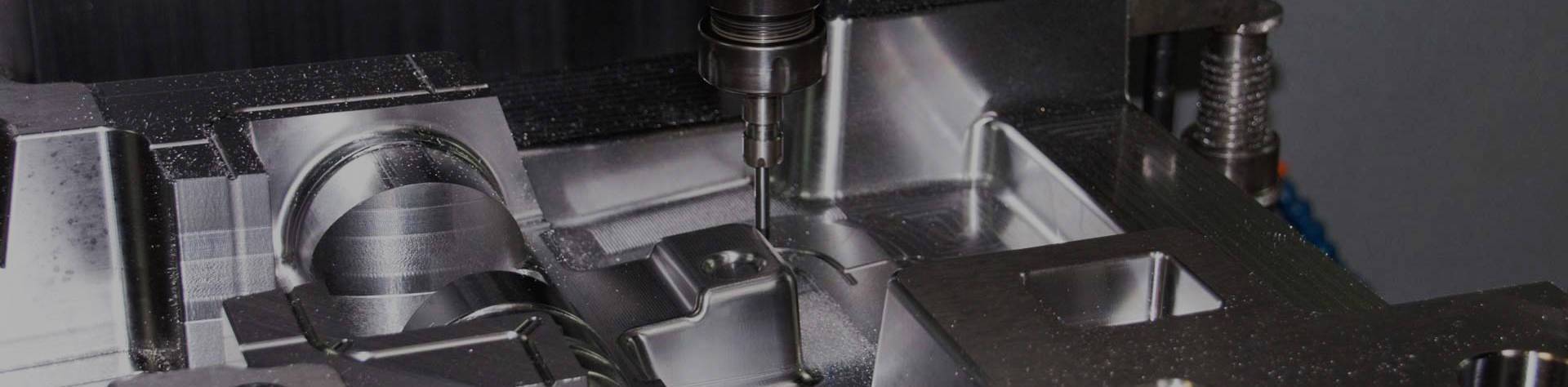
The Role of Surface Treatments in Enhancing Armchair Mould Efficiency
The performance and longevity of an armchair mould are profoundly influenced by its surface treatment. Surface modifications such as chrome plating and mechanical polishing are essential in modern manufacturing, not only for aesthetic appeal but also for functional efficiency. These treatments significantly impact the ease of demoulding as well as the surface finish of the produced armchair components. Understanding how each treatment affects production outcomes can help manufacturers optimize the moulding process and achieve consistent product quality.
Chrome Plating and Its Influence on Demoulding
Chrome plating is widely applied to armchair moulds due to its good hardness and resistance to wear and corrosion. When a mould is chrome-plated, its surface becomes highly durable and smooth, which reduces adhesion between the mould and the material being processed. This results in easier demoulding, reducing the risk of damaging delicate details on the armchair components. Additionally, the wear resistance of chrome plating ensures that the mould maintains its dimensional integrity over prolonged use, allowing manufacturers to produce consistent, high-quality parts across multiple production cycles.
Polishing Techniques and Surface Smoothness
Polishing serves a complementary purpose by refining the mould’s surface to eliminate microscopic imperfections. A highly polished armchair mould facilitates uniform material flow during injection or casting, which directly contributes to the surface finish of the final product. Smooth surfaces reduce friction, making demoulding faster and more reliable. Moreover, polished surfaces often require less release agent or lubricant, which reduces operational costs and reduces the risk of chemical interactions that could compromise the material or the mould itself.
Synergistic Effects of Combined Treatments
In many high-precision applications, both chrome plating and polishing are applied sequentially to improve mould performance. Chrome plating provides durability and corrosion resistance, while polishing enhances smoothness and reduces adhesion. The combination of these treatments ensures that the mould can handle complex geometries and high-viscosity materials with surface defects. Manufacturers benefit from reduced cycle times and improved product aesthetics, which is particularly critical in the production of premium armchair components where visual quality is as important as structural integrity.
Long-Term Maintenance Considerations
While surface treatments improve demoulding efficiency and surface quality, their long-term effectiveness depends on proper maintenance. Chrome-plated surfaces can develop micro-cracks or corrosion if exposed to harsh chemicals or abrasive cleaning methods. Polished surfaces may gradually lose their smoothness due to repeated usage or mechanical wear. Regular inspection, careful cleaning, and occasional re-polishing are essential to maintain suitable performance. Implementing a preventative maintenance schedule ensures that the armchair mould continues to deliver high-quality outputs over its operational life.
Impact on Production Consistency and Quality
The application of surface treatments has a direct impact on production consistency and the overall quality of armchair components. Smooth, durable surfaces reduce defects, reduce scrap rates, and improve cycle efficiency. By selecting appropriate treatments and maintaining them effectively, manufacturers can achieve predictable moulding results, enhance product appearance, and extend the service life of their tooling. Ultimately, investing in proper surface treatment strategies contributes to higher customer satisfaction and a stronger market reputation for precision and quality.
Improving Efficiency Through Surface Optimization
The role of surface treatments such as chrome plating and polishing in armchair moulds cannot be overstated. These processes not only facilitate easier demoulding but also enhance the surface finish and durability of the mould. By understanding the relationship between surface preparation, demoulding efficiency, and product quality, manufacturers can make informed decisions to optimize their production processes. Careful selection and maintenance of surface treatments ensure long-term performance, consistent output, and good quality of armchair components.
.jpg)
