



 Search...
 English
Tips For Maintaining Products Made From Laundry Basket Mould
Why Does Everyday Care Matter For Laundry Basket Mold Products
Laundry basket use usually looks like a background habit inside a home, yet the condition of the basket is shaped through repeated small moments that rarely receive attention. Wet towels coming out of a washing cycle, sports clothing carried in after movement, and garments that are slightly damp after air exposure all tend to end up in the same container without much delay.
Inside that container, air movement slows down. Fabric layers overlap. Moisture begins to sit in place rather than moving out. Even when the material of the basket remains unchanged, the environment inside it shifts in a quiet way that builds up over time.
A molded basket structure can remain stable for a long period, however stability of shape does not prevent changes in smell, surface feel, or internal humidity. Those changes usually come from routine behavior rather than sudden events.
Placement inside the room also plays a role that is often ignored. A basket kept near an open window behaves differently compared with one placed in a narrow corner or beside a damp wall. Air that moves freely helps moisture leave. Air that stays still keeps humidity in place longer than expected.
What Defines Laundry Basket Mould Products In Household Use
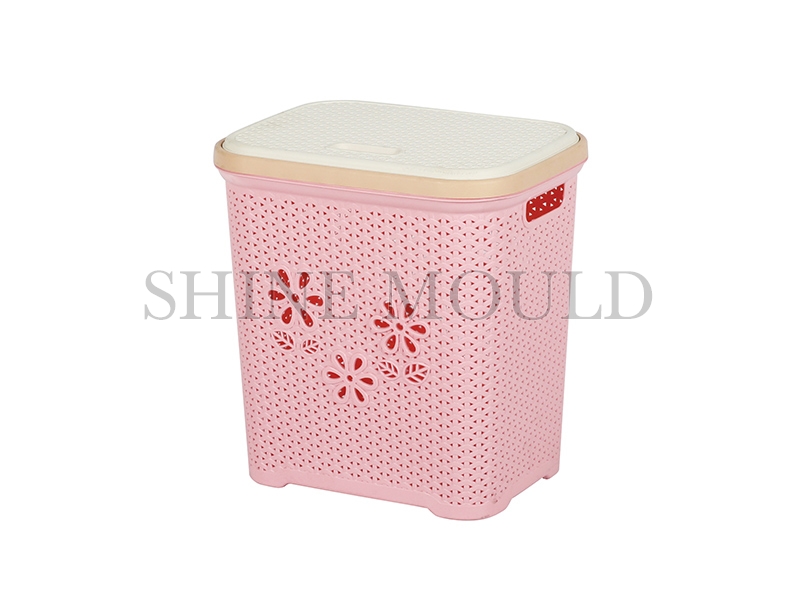
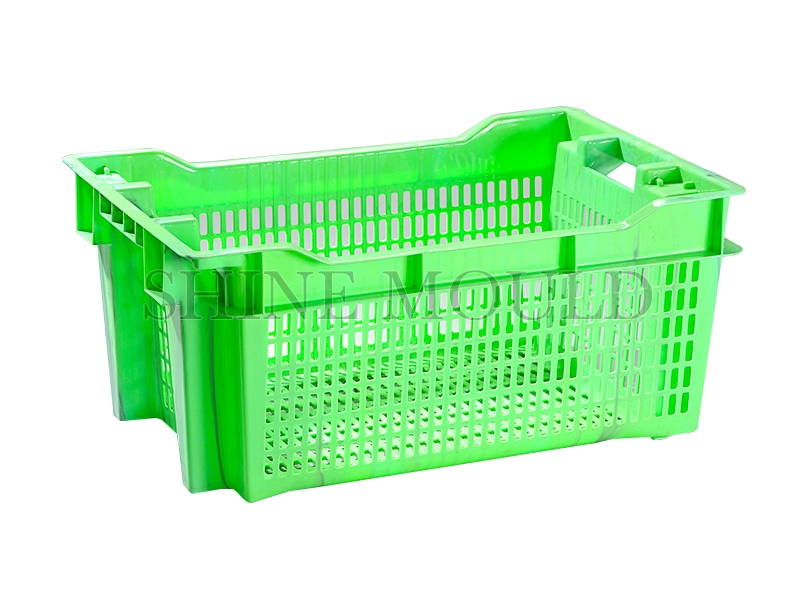
Laundry basket mould products are formed through injection molding, a process where heated material is shaped inside a fixed cavity and cooled into a stable form. The structure that results is not random. It is designed to hold weight, support repeated movement, and allow some level of airflow during storage use.
Ventilation holes or open patterns are usually part of the structure. Those openings are not added for decoration. They create paths for air to move through the basket body so that moisture does not remain trapped for long periods.
In daily use, several structural points become important:
- bottom structure that carries repeated load from clothing
- side structure that keeps shape under pressure
- edge structure that supports lifting and movement
- open areas that allow airflow through stored fabric
Even when structure is stable, real performance still depends on how moisture enters and leaves the system during everyday use.
Why Does Moisture Become The Main Cause Of Basket Deterioration
Moisture inside laundry storage does not behave in a sudden way. It builds slowly through repeated cycles of damp clothing entering the basket and drying taking place inside a limited space.
Fabric holds water longer than it appears at surface level. When several items are placed together, airflow between layers becomes restricted. The inner part of the pile dries much slower than the outer layer.
Plastic material does not absorb water directly, yet continuous humidity exposure changes the internal atmosphere of the basket. That environment often leads to lingering smell or dull surface appearance over time.
A few common moisture patterns appear in daily use:
- damp air staying at the bottom area after long storage
- slow evaporation between layered clothing
- uneven drying between upper and lower zones
- odor formation when airflow stays weak
None of these changes come from a single moment. They are usually the result of repeated storage habits.
How Does Ventilation Influence Product Condition Over Time
Ventilation decides how fast moisture can leave the basket environment. Air movement inside a room is often uneven, which means some storage locations support drying while others slow it down.
A basket placed in an open area receives steady air exchange. Moisture escapes through ventilation openings and surrounding airflow carries it away. A basket placed in a closed corner or tight space does not benefit from the same movement, so humidity tends to remain longer.
Inside the basket itself, airflow paths created by molded openings play a supporting role. They allow air to pass through stored fabric layers instead of staying trapped inside.
General pattern seen in everyday conditions:
- active airflow reduces moisture retention
- limited airflow increases damp accumulation
- uneven airflow creates mixed dry and wet zones
What Daily Maintenance Practices Help Prevent Surface Issues
Daily maintenance is less about cleaning effort and more about controlling what enters the basket and how long it stays inside. Moisture management starts at the moment clothing is placed into storage.
One common situation involves slightly damp fabric being added during busy routines. Even when it feels nearly dry, remaining moisture continues to release inside the basket. That slow release builds humidity inside closed space.
Another factor is location. A basket placed in an open room with natural air movement behaves differently compared with one kept in enclosed or humid corners.
Practical daily habits often include:
- avoiding long storage of damp clothing inside basket
- allowing fabric to reach full dryness before placement when possible
- keeping basket in area with continuous air movement
- preventing dense stacking that blocks airflow
How Should Light Cleaning Be Performed In Daily Use
Light cleaning usually focuses on surface contact areas rather than deep washing. Over time, dust and small fibers can attach to internal surfaces, especially near corners or textured zones.
A mild cleaning solution is often used in practice, applied with a soft cloth rather than strong scrubbing tools. The goal is to remove light residue without stressing molded structure.
Cleaning is only part of the process. Drying after wiping is equally important. If moisture remains after cleaning, it can collect again in low-airflow areas.
A typical light cleaning sequence:
- prepare mild diluted cleaning solution
- wipe internal and external surfaces gently
- avoid strong pressure on structural joints
- allow full air drying before reuse
Why Is Deep Cleaning Important For Long-Term Basket Maintenance
Daily cleaning does not reach deeper areas where lint and fine particles settle over long use periods. These hidden zones often include corners, base edges, and narrow structural gaps.
Over time, accumulation in these areas may influence overall freshness even when the visible surface looks clean. Deep cleaning resets those internal conditions by removing layered residue that builds slowly through repeated cycles.
Without periodic deep cleaning, even well-ventilated baskets may develop persistent odor or uneven cleanliness inside hidden zones.
How Does Deep Cleaning Work In Real Household Conditions
Deep cleaning usually starts in a very plain way, emptying the basket and noticing what has been sitting at the bottom for days or even longer without attention. Small lint pieces, thin dust layers, and fabric threads tend to settle in corners where air barely moves, and those areas rarely change through normal daily wiping.
Warm water mixed with a mild cleaning agent is often used next. The action stays simple, no need for strong force or complicated steps. A soft brush or cloth moves across surfaces slowly, focusing more on corners and lower zones where residue gathers quietly. Those hidden spots often hold more buildup than expected, especially near joints and the base area.
During rinsing, water flow carries away loosened material, though small residues sometimes remain inside narrow grooves. That is why rinsing tends to take longer than washing itself in practical use, since leftover film can influence later smell or surface feel if not fully removed.
Drying completes the process, and at that stage, airflow becomes more important than washing effort. Moisture trapped inside structure does not leave instantly, so time and air movement matter more than pressure or scrubbing.
Why Does Disinfection Step Change Long Term Basket Condition
Disinfection usually appears after deep cleaning when smell or damp trace starts to linger inside storage space. A diluted solution is applied across inner and outer surfaces, not in heavy quantity, more like a thin layer that touches all contact zones.
The effect depends on contact time and surface coverage. Short resting allows the solution to reach corners and textured areas where residue may still remain after washing. After that, rinsing becomes necessary again, since leftover solution inside grooves can affect later use experience.
Once disinfection finishes, the basket is often left in open air. Closing it too early creates trapped humidity again, which reduces the benefit of the entire process. Air exposure after cleaning feels simple, yet it decides whether internal condition resets or returns to damp state.
What Role Does Sun Drying Play In Material Stability
Air drying alone removes visible moisture, though deeper dampness inside joints or textured sections often takes longer to disappear. Sun exposure adds another layer of drying behavior that reaches those slower zones.
Light and warmth together increase evaporation speed, especially in areas where airflow does not reach easily. Even molded gaps and lower corners gradually lose remaining moisture under that condition.
After washing and rinsing, placing the basket in a sunny open area allows remaining dampness to leave in stages. Not sudden, more like a slow reduction that continues while surface already looks dry.
Typical pattern observed in practice:
- surface dries early through air movement
- inner grooves release moisture later under sunlight
- full dryness appears after extended exposure time
- lingering damp smell reduces as trapped water disappears
How Do Usage Habits Influence Long Term Basket Condition
Everyday handling shapes basket condition more than occasional cleaning routines. Weight distribution during loading often decides how structure ages over time. Uneven placement of clothes inside creates pressure zones that repeat daily, especially when heavier items stay on one side.
Movement style also leaves small marks. Dragging basket across rough ground slowly affects lower edges, not immediately visible, but gradual wear appears after repeated cycles. Lifting instead of dragging changes that pattern significantly.
Moisture habits play a stronger role than expected. Placing damp clothes inside and leaving them for long periods builds internal humidity, which does not escape quickly in low airflow areas. That condition repeats daily in many households without clear notice.
Common usage influences:
- uneven load placement creating pressure imbalance
- repeated friction during movement
- storage of damp fabric inside closed space
- limited airflow during long storage periods
| Usage Behavior | What Happens Inside Basket | Long Term Result |
|---|---|---|
| Uneven loading | Pressure concentrates on one side | Slow shape imbalance |
| Frequent dragging | Bottom edge friction increases | Surface wear marks appear |
| Damp clothing storage | Humidity stays trapped inside | Odor and moisture buildup |
| Overfilling basket | Airflow blocked between layers | Slow drying inside |
| Proper lifting use | Stress evenly distributed | Stable structure over time |
How Does Environmental Exposure Affect Molded Basket Products
Environment around the basket quietly shapes its long term behavior. Temperature shifts, humidity level, and air movement interact with stored fabric inside the structure.
Warm and humid rooms slow evaporation, making moisture stay longer in fabric layers. Cooler and drier environments support faster drying, reducing internal buildup. The difference does not show immediately, yet becomes noticeable over repeated cycles.
Air movement inside the room also matters. Even small airflow changes influence how quickly moisture leaves the basket after use. Still air keeps humidity inside longer, while moving air helps reduce trapped dampness.
General behavior pattern:
- humid environment → slow drying and odor retention
- dry environment → quicker moisture release
- still air → internal damp accumulation
- moving air → balanced moisture exchange
What Long Term Care Approach Keeps Basket Condition Stable
Long term stability does not come from one strong action, more from repeated small habits that keep moisture under control. A basket used in a steady airflow environment naturally holds better condition over time, even without intensive maintenance.
Regular removal of wet clothes reduces internal humidity load before it builds up. Deep cleaning at intervals resets hidden residue that cannot be removed through daily wiping. Occasional sun drying helps clear remaining moisture from less visible areas.
Storage placement also influences results. Open and ventilated areas support continuous air exchange even when basket is not actively used.
Long term care pattern usually forms around:
- steady airflow in storage location
- limited wet storage duration
- periodic deep cleaning cycles
- full drying after every wash process
Laundry basket mould products stay simple in structure, yet their condition changes through repeated exposure to moisture, air, and daily handling habits. Shape stability remains for a long time, while internal environment shifts quietly depending on how often damp items enter, how air moves around them, and how drying happens between cycles.
.jpg)
-1.jpg)
