 Search...
 English
What Are the Benefits of Custom Garden Pot Molds
Garden pots come in every size and style. Some sit on a living-room shelf, others on a patio, a balcony or a commercial landscaping site. Tastes keep shifting, and manufacturers face the same puzzle each season: how to offer different designs without making production a headache.
Custom garden pot molds are one practical answer. Instead of leaning on standard mold designs, a manufacturer builds tooling around a specific product idea. That leaves more room to change the shape, surface pattern, rim, base and other visible details.
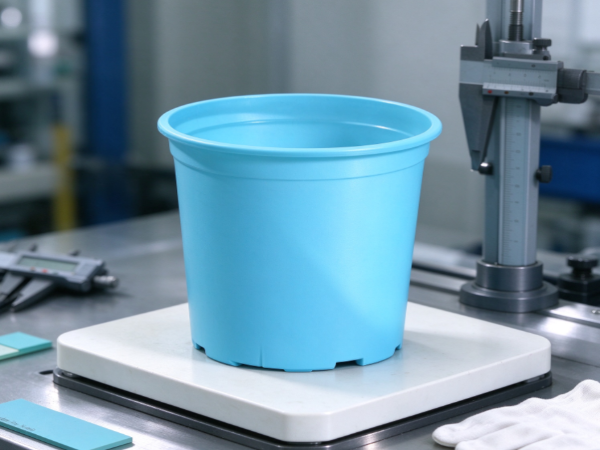
The gains go beyond looks. A well-planned custom mold supports steadier production, gives product development more flexibility and helps a business react when the market moves. Whether it pays off, though, depends on the intended use, the production process, the material and the size of the product range.
1. Why Are Custom Garden Pot Mold Important for Product Design?
Design shapes how people see a garden pot. A plain pot does the everyday job. A decorative one appeals to customers who want their plants to be part of a room or a garden layout.
Standard molds come with established shapes and patterns. They work well when a manufacturer wants a familiar product with few changes. They fall short when a company wants a collection that stands out.
A custom mold lets designers turn a specific idea into something that can be made. Rounded bodies, tapered profiles, textured surfaces and decorative rims are all open for discussion. The mold can also be planned around how the pot will be displayed and used.
Take a collection for modern interiors. Clean lines and quiet surface detail usually fit best. Pots for gardens or terraces often look better with textures that echo the outdoors.
One rule holds throughout: every design choice needs a reason. An elaborate pattern catches the eye, but if it makes the pot hard to manufacture, handle, clean or pack, it costs more than it gives.
Bringing the mold maker in during the design stage helps catch those problems early. The product team can then weigh visual appeal against what the factory can actually produce.
2. How Can Custom Molds Help Manufacturers Create Distinctive Products?
Garden pots compete for attention in garden centers, home improvement stores, online shops and landscaping projects. When many products share similar shapes and finishes, small differences start to matter to buyers.
A custom mold gives the manufacturer control over those differences. Rather than picking from a catalog of existing designs, the company develops features that express its own concept.
Those features can include:
- Distinctive shapes: The body, opening, base and overall profile can be tuned to one collection.
- Recognizable surface patterns: Lines, grooves, relief and other textures give a pot its own visual character.
- Coordinated product families: Related designs share some visual elements but differ in form or purpose.
- Brand-related design details: Subtle marks or decorative touches can be added where the manufacturing process allows.
Customization alone doesn't make a product attractive. The design still has to match what its target customers like. Think about where the pot will be sold, which plants it will probably hold and what surroundings it will sit in.
A sensible first step is to settle on a clear design direction before paying for a mold. Teams can compare sketches, physical samples and reference models to find the features that count. That cuts the risk of adding details that look great in a drawing but work poorly in a real product.
Production also has to stay workable. If a pattern is hard to reproduce or sticks during demolding, its visual value comes with extra manufacturing trouble. An early review lets the team weigh those trade-offs.
3. Can Custom Garden Pot Molds Improve Production Consistency?
Consistency counts when a manufacturer supplies retailers, distributors, landscaping firms or other business customers. Buyers expect pots from the same range to look alike and to suit their purpose.
A properly designed mold gives production a repeatable form. It fixes the overall shape and the position of designed features. If the mold suits the chosen process and is looked after, results across runs tend to be steadier.
This matters most for products with repeating surface details or matching designs. When the rim, base or pattern varies, the difference shows as soon as several pots stand side by side.
Custom tooling can also handle product-specific needs. A pot meant for stacking needs a shape that lets the units nest. One made for retail display needs a stable base and a consistent outer profile.
Even so, the mold is only one piece. Material preparation, operating habits, the condition of the mold and handling after production all affect the final pot. No tooling removes every source of variation.
So review the mold together with the rest of the production setup. Clear drawings, agreed sample standards and routine inspection help the team spot differences before they turn into repeat problems.
4. What Role Do Custom Molds Play in Material Selection?
Garden pots are made from plastic, ceramic, concrete and other suitable compounds. Each material has its own traits and manufacturing demands. The choice changes the pot's appearance, weight, handling and the environment it suits.
Design the mold with the chosen material and process in mind. A shape that works in one process might need changes in another. Surface details, wall transitions and the way the finished pot comes out of the mold all need attention during development.
With plastic pots, designers think about how the material forms around the mold and how the part is removed. With concrete, the design has to allow for how the material flows and how the finished piece is moved. Ceramics bring their own forming and finishing questions.
That's why early coordination pays off. A designer focuses on how the pot looks. A production team worries about repeatability and ease of manufacture. Putting both views on the table exposes practical fixes before the mold is finished.
| Design consideration | Why it matters |
|---|---|
| Material choice | Influences the mold design and production method |
| Surface details | Affects the appearance and may influence mold release |
| Pot shape | Determines the overall form and practical use |
| Base and rim design | Influences stability, handling, and the finished look |
| Production requirements | Helps establish whether the design can be made consistently |
Don't treat material selection and mold planning as separate jobs. Make the two decisions together and you avoid many design changes, and the pots end up closer to their intended use.
5. How Can Custom Molds Support Different Market Needs?
The garden pot market is broad. Home gardeners want pots that go with their living spaces. Commercial growers care about practical handling and repeatable forms. Landscaping projects need matching pots that suit one particular setting.
A standard range rarely covers all of that. Custom molds give manufacturers more freedom to build products for a specific customer group or sales channel.
In retail, customization can give related pots a shared visual theme. In commercial projects, the mold can follow a requested shape or a display requirement. For buyers who want decorative products, the design can lean on texture and form.
The same flexibility supports smaller product lines with a clear purpose. A manufacturer doesn't have to overhaul the whole catalog. It can customize one mold for a single collection or a single customer request.
Still, base the decision on a realistic view of demand. A new mold takes planning, coordination and money. A design that excites people at concept stage doesn't always justify dedicated tooling.
Before going ahead, manufacturers can read customer feedback, talk to sales partners and compare the proposed pot with what they already sell. Those steps show whether the design meets a real need or just adds one more variation.
The goal isn't to customize every pot. It's to use custom tooling where the extra flexibility has a clear commercial or practical purpose.
6. Do Custom Garden Pot Molds Help Manage Production Costs?
Cost sits at the center of the decision. A custom mold usually costs more up front than an existing one, especially when the design needs new tooling or several rounds of development.
The purchase price isn't the full picture, though. Look at how the mold will be used over time, how much product adjustment is likely and whether the design keeps production manageable.
For a product with special design features, a custom mold can cut down on repeated manual adjustments. It can also support a range that would otherwise force compromises in appearance or form. Both benefits depend on the mold's design and how it's used.
Sometimes customization simply doesn't make financial sense. If demand is uncertain, the product has a short commercial life, or an existing mold already does the job, new tooling is an unnecessary expense.
A practical cost review covers these areas:
- Mold design and manufacturing expenses.
- Sample development and any required design revisions.
- Compatibility with the intended production equipment.
- Expected use of the mold and its maintenance needs.
- Packaging, storage, and transportation requirements for the finished pots.
Also count the cost of changing a design once tooling has started. Some adjustments are easy, others are involved. A careful review before production limits avoidable revisions.
The useful comparison sets the needs of the proposed product against the resources required to make it. A custom mold earns its place when it serves a clear product or production goal, not just because customization is on offer.
7. What Should Manufacturers Consider Before Ordering a Custom Garden Pot Mold?
A good custom mold project starts with a clear brief. Without a shared understanding of the product, the design team and the mold maker can read the same request in two different ways.
Start by pinning down the pot's intended use, material, appearance and production method. Say whether it's for indoor planting, outdoor use, retail display or something else. These details steer the mold design and the technical talks that follow.
A few points need attention during planning.
Product drawings and samples
Drawings show the intended shape and how its features relate to one another. When appearance matters, a physical sample or reference model adds guidance. Treat any sample as a reference. Don't assume the design can be copied as is.
Mold compatibility
The mold has to fit the manufacturer's process and available equipment. A design that looks fine on paper can need changes before it works with the intended method.
Demolding and handling
The finished pot must come out of the mold without a struggle. Designers should check whether the shape or surface details could complicate removal, finishing or everyday handling.
Sample approval
Trial products let the manufacturer judge shape, surface finish and practical use before regular production begins. Write down every change.
Maintenance and support
Molds need proper care in use and in storage. Find out the recommended maintenance practices, and agree how wear, damage or design changes will be handled.
Communication matters most when the customer and the mold maker are separate businesses. A written specification gives both sides the same picture of the result and a reference point if changes come later.
8. How Can Manufacturers Build a Reliable Custom Mold Development Process?
Custom mold development is more than drawing a shape and sending it to production. Product design, mold making, production and quality inspection all have to work together, and each stage affects the next.
It usually begins with a product brief. The manufacturer describes the pot design, material, use and production needs. The mold maker reviews the concept and flags any details that need adjusting.
Next the team develops the mold design and checks how it will behave in the intended process. Depending on the project, that can mean drawings, design models or other reference material. The aim is to settle the big questions before the mold is built.
Sample production is the next checkpoint. The team checks whether the pot matches the approved design and whether it can be made and handled as planned. If something has to change, record the reason so later revisions stay clear.
After approval, the focus moves to routine production and mold care. Operators need workable instructions, and inspectors need clear criteria for checking finished pots. Maintenance routines should be set up too, so the mold stays fit for continued use.
Picking a mold maker takes more than comparing quotes. Ask about experience with similar products, how design details are communicated, how samples are reviewed, how molds are maintained and what support follows delivery. Clear answers show what the project really includes.
Custom garden pot molds give manufacturers tighter control over product design and a direct way to answer specific market needs. Their value rests on careful planning, an honest look at cost and good cooperation among the people who design, make and use the mold.