



 Search...
 English
What Features Define a Plastic Dustbin Mould Design
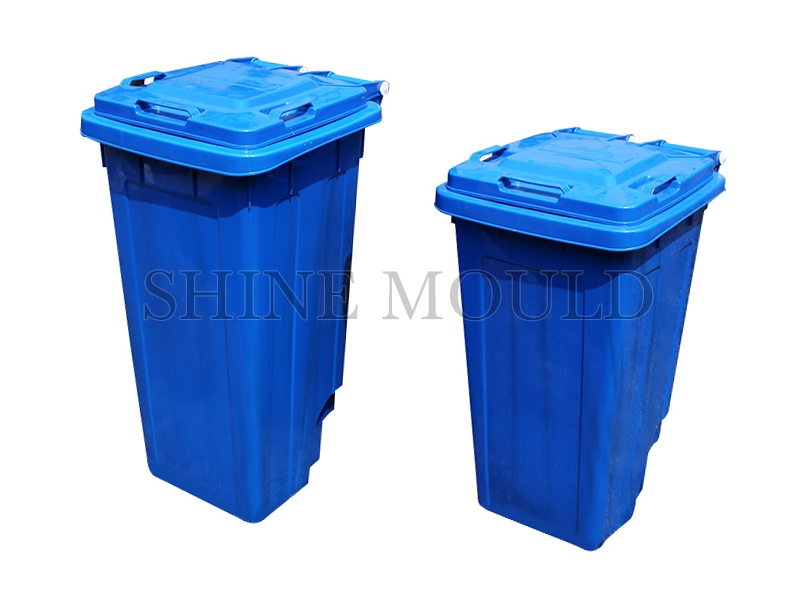
Plastic dustbins may look simple from the outside, yet their mould structure involves several practical considerations. A container with a deep cavity, a wide opening, a curved body, or a reinforced base places different demands on the mould during injection molding. Shape, wall thickness, draft, cooling, and ejection all have a direct connection with how the finished bin is formed.
For manufacturers, mould design is therefore closely tied to the product drawing rather than treated as a separate step. A household waste bin, a wheeled outdoor bin, and a small office bin can have very different structures even though they serve a similar purpose. Material selection, machine conditions, appearance requirements, and the intended use also influence the way the mould is arranged.
What Makes Plastic Dustbin Mould Design Different
The size and shape of a dustbin create a different set of design conditions from those found in many smaller injection-molded products. A bin normally has a relatively open top and a cavity that extends downward. The side walls need enough support to retain their shape during use, while the bottom needs to handle the weight of the contents and the forces created during movement.
A deeper cavity can also make molding more sensitive to cooling and demoulding conditions. When the plastic remains in contact with the mould surface over a large area, removal requires careful attention to the shape of the cavity and the direction in which the product leaves the mould.
The opening is another important area. Many bins use a rim that provides stiffness around the upper edge. Some designs also include a lid, handle, wheel assembly, or other supporting features. Each addition changes the available space inside the mould and may affect how the product is released after molding.
A practical design often needs to consider several points together:
- Overall height and cavity depth
- Shape of the opening and upper rim
- Sidewall angle and surface shape
- Bottom structure and supporting areas
- Handle, wheel, or reinforcing features
- Surface texture and visible areas
- Ejection position and available space
- Cooling arrangement around thicker sections
The relationship between these features matters because changing one area can influence another. A thicker base, for example, may require different cooling attention. A deep sidewall may affect draft and ejection. A handle integrated into the body can also change the local structure of the mould.
Different types of dustbins therefore call for different arrangements. A compact indoor bin may have relatively simple walls and a narrow base. A larger waste container may require a stronger bottom structure, reinforced side areas, or additional features for movement. The mould needs to accommodate those product requirements without making the molding process unnecessarily complicated.
How Product Shape Influences Mould Structure
The product drawing usually provides the starting point for mould planning. Height, width, opening size, corner shape, and bottom form determine how the cavity and core are arranged.
A straight-sided bin is relatively easy to visualize because the cavity follows a consistent direction. Curved or tapered bodies require more attention to the transition between different surfaces. Rounded corners can improve the appearance of the product, while also changing the way plastic occupies the cavity and how the finished part can be removed.
The bottom shape has a similar influence. A flat base may need reinforcement around its edges or central areas. A shaped base may contain raised sections, grooves, or supporting ribs. Such features affect both the cavity surface and the space available for ejection.
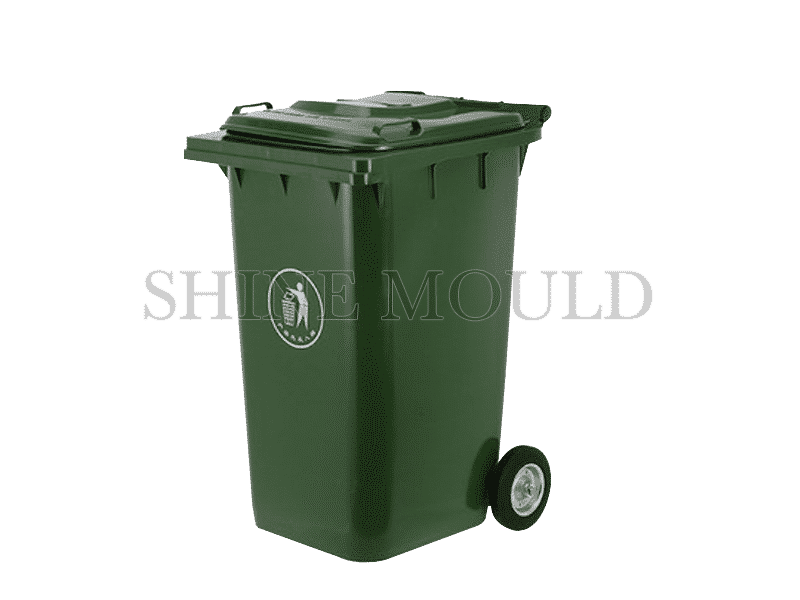
Handles and wheels create another layer of consideration. A mould for a bin with integrated side handles cannot simply follow the outer profile of the container. The handle area creates additional geometry that needs to be formed and released correctly.
For this reason, product shape and mould structure should be considered as one connected system. Some useful questions during the design stage include:
- Does the main body have a clear direction for removal?
- Are the corners and curved surfaces easy to release?
- Can the bottom structure be formed without creating unnecessary stress?
- Do handles, ribs, or grooves interfere with ejection?
- Are visible surfaces positioned in areas where mould marks can be controlled?
Surface appearance also deserves attention. A smooth wall, textured finish, or patterned surface can behave differently during demoulding. Texture increases contact between the product and cavity surface, so the draft arrangement needs to account for the actual surface condition rather than only the basic outline.
The result is a mould structure that follows the physical form of the dustbin. Rather than treating the cavity as a simple hollow shape, the design needs to account for how every major feature will be filled, cooled, and released.
Why Wall Thickness Matters in Dustbin Mould Design
Wall thickness has a direct effect on how a plastic dustbin forms. When the wall is reasonably consistent, plastic can move through the cavity in a more balanced way and cooling can take place with fewer differences between adjacent areas.
Uneven wall sections can create problems during cooling. A thicker area generally retains heat for longer than a thinner section. As different parts of the product cool at different rates, shrinkage can vary across the body. The result may be distortion, uneven surfaces, or changes in the intended shape.
Dustbins often contain areas where thickness naturally changes. The bottom may need more structural support than the sidewall. A rim may also be thicker than the main body, while ribs can add stiffness without making the entire wall substantially thicker.
| Product Area | Main Design Concern | Possible Effect on Mould Design |
|---|---|---|
| Sidewall | Consistent wall formation | Cavity shape and cooling arrangement need to work together |
| Bottom | Structural support | Local thickness and cooling require attention |
| Upper Rim | Edge stiffness and lid fit | Rim geometry affects cavity details and release |
| Ribs | Added stiffness | Rib position can influence filling and ejection |
| Handle Area | Local reinforcement | Extra geometry changes cavity and release conditions |
Ribs are particularly useful when structural support is needed without simply increasing the thickness of the whole wall. However, their size and connection to the main body still need to be considered carefully. A heavy rib connected to a thin wall can create a local difference in cooling behavior.
The transition between the bottom and sidewall is another area worth checking. A sharp change in geometry can make the local structure harder to fill and cool evenly. A smoother transition can give the mould a more manageable surface while also supporting the intended shape of the finished bin.
Wall thickness should therefore be considered alongside the product's use and structure. Making every area thicker is not a simple solution. The mould needs to reproduce the required form while keeping the different sections reasonably balanced.
How Draft Angles Support Easier Demoulding
Once the plastic has cooled, the finished dustbin needs to separate from the mould without unnecessary force or surface damage. Draft is one of the basic design considerations that supports this movement.
A deep container presents a longer contact path between the product and the cavity. Without enough taper, the sidewall may remain tightly against the mould surface as the product moves out. Surface texture can increase this resistance because small surface features create additional contact.
Draft does not need to be identical across every area. A smooth wall, textured wall, deep corner, rib, or recessed feature may require different treatment. The important point is that the removal direction should be considered from the beginning of the design rather than added after the main cavity has already been established.
Several areas deserve particular attention:
- Deep sidewalls
- Textured exterior surfaces
- Internal corners
- Ribs and grooves
- Handle openings
- Bottom details
- Areas around the upper rim
The relationship between draft and wall shape is also important. A tapered body may naturally provide part of the required release direction, while a nearly vertical wall may need more deliberate draft planning.
Poorly considered draft can create several practical issues. The product may require greater ejection force, visible marks may appear on the surface, or certain features may become difficult to release. Repeated stress during production can also place additional demands on the mould's moving components.
A well-planned Plastic Dustbin Mould therefore considers the removal path at the same time as the cavity shape. Product appearance, wall geometry, surface texture, and ejection all meet at this stage, making demoulding one of the points where product design and mould design become closely connected.
Which Details Need Attention in Plastic Dustbin Mould Design
After the main body shape is defined, smaller features can have a direct effect on mould structure. A dustbin may include a lid, handle, wheel connection, reinforcing rib, groove, or textured surface. Each feature needs enough space to be formed and released without interfering with nearby areas.
The upper rim is important when a lid is used. Its shape needs to match the intended lid fit while allowing the molded part to separate from the cavity. Handle areas also deserve attention because an integrated handle may create a thicker section or an opening in the sidewall.
The bottom can contain ribs, grooves, or support sections. These features may improve the structure of the finished bin, yet they also create additional cavity details. Their position should be considered alongside draft and ejection.
Surface texture can influence release as well. A textured wall has more contact with the cavity than a smooth surface, so the removal direction and draft need to account for the actual finish.
Common areas for review include:
- Lid and upper rim
- Handle openings
- Wheel connections
- Bottom ribs and grooves
- Textured surfaces
- Visible mould parting areas
A Plastic Dustbin Mould is shaped by these smaller details as much as by the main outer profile. Changing a rib, handle, or rim can also affect the surrounding mould structure.
How Cooling Design Affects Mould Performance
Cooling needs to follow the shape and thickness of the product. A dustbin has a relatively large molded surface, and different sections may cool at different rates when their thickness or geometry changes.
A thicker bottom, reinforced area, or heavy rim can retain heat longer than a thinner sidewall. Uneven cooling may contribute to shrinkage differences, bending, or changes in the finished shape.
Cooling passages therefore need to work around the actual cavity rather than simply follow available space inside the mould. Large flat areas, corners, thicker sections, and reinforced features all need consideration.
The relationship is straightforward:
Product Shape → Wall Thickness → Heat Distribution → Cooling Arrangement
Changing the wall structure can require changes to the cooling layout. Considering both together helps maintain a more balanced molding process and reduces unnecessary adjustment later.
How Ejection Design Protects the Finished Dustbin
Once the plastic has cooled sufficiently, the ejection system moves the product away from the mould. A dustbin has a broad contact area, so the ejection force needs to be distributed carefully.
Ejector positions should relate to the product structure. Reinforced bottom areas may provide suitable support, while thin sidewalls may require greater care to avoid visible marks or deformation.
Handles, ribs, grooves, and recessed sections can also create resistance during release. The ejection direction should therefore work together with the draft established during cavity design.
Important considerations include:
- Product wall thickness
- Ejection support areas
- Rib and groove positions
- Surface appearance
- Release direction
- Available mould space
Draft reduces resistance, while ejection supplies the movement needed to release the product. Treating both as connected parts of the design can make the removal process easier to control.
What Should a Dustbin Mould Supplier Consider
Mould planning depends on more than the product drawing. Plastic material, injection equipment, product structure, surface requirements, and intended use can all influence the final arrangement.
A Dustbin Mould Supplier normally needs information such as:
- Product drawings or three-dimensional models
- Selected plastic material
- Injection machine conditions
- Lid, handle, and wheel details
- Surface finish requirements
- Functional requirements of the finished bin
Material selection matters because different plastics can behave differently during filling, cooling, shrinkage, and release. Machine conditions also affect available mould space, injection conditions, and ejection movement.
Product use provides another useful reference. An indoor bin, outdoor container, or wheeled waste bin may require different structural arrangements even when their basic function is similar.
Trial molding can then provide practical information about filling, cooling, ejection, surface condition, and dimensional changes. Adjustments made at this stage can help bring the mould closer to the intended production conditions.
How Mould Maintenance Supports Consistent Dustbin Production
Regular maintenance helps keep the mould in suitable working condition. Cooling passages, cavity surfaces, ejector components, sliding parts, and locating areas can all require inspection during repeated production.
Cooling passages should remain clear so that heat can be removed as intended. Ejector and sliding components also need attention because wear can affect movement and product release.
Cavity surfaces should be kept clean, particularly when textured areas are present. Plastic residue can affect surface appearance and may interfere with smooth mould operation.
A practical maintenance routine may include:
- Cleaning cavity and core surfaces
- Checking cooling passages
- Inspecting ejector movement
- Reviewing sliding components
- Removing plastic residue
- Checking areas showing wear
Storage also deserves attention when the mould is not in use. Cleaning and suitable protection can help prevent unnecessary surface problems before production resumes.
From product shape and wall thickness to draft, cooling, ejection, and maintenance, each part of a Plastic Dustbin Mould has a connection with how the finished bin is formed and handled. Considering these factors together allows the mould structure to remain closely aligned with the product design and production conditions.
.jpg)
