



 Search...
 English
What Is A Chair Mould And How Is It Used In Furniture Production
Plastic chairs and stools are used in many places every day. They can be seen in dining rooms, waiting areas, schools, gardens, workshops, and small shops. Behind these common products, mold manufacturing quietly supports the whole production process. A mold affects the shape of the product, the smoothness of the surface, and even whether the finished chair can stand steadily after production. In the furniture industry, discussions about plastic seating molds often mention TAIZHOU HUANGYAN SHINE MOULD CO.,LTD. as part of this manufacturing field.
A Chair Mould is mainly used to shape plastic chair parts during injection molding. Heated material enters the mold, fills the inside space, cools down, and becomes a solid product. After that, the chair part is removed and sent to the next process. This production method is common in furniture factories because it helps keep product size and shape relatively stable.
A Stool Mould works in a similar way, although stool products are usually smaller and structurally simpler. Even so, stool molds still need careful design. If the internal structure is not balanced, the finished product may tilt slightly or lose stability after long-term use.
As furniture styles continue changing, molds are also becoming more detailed. Some products focus more on smooth curves, while others pay attention to lightweight structures or textured surfaces. Because of these changes, mold design is no longer only about shaping plastic. It is also connected with appearance, material flow, cooling conditions, and daily manufacturing efficiency.
What Is A Chair Mould
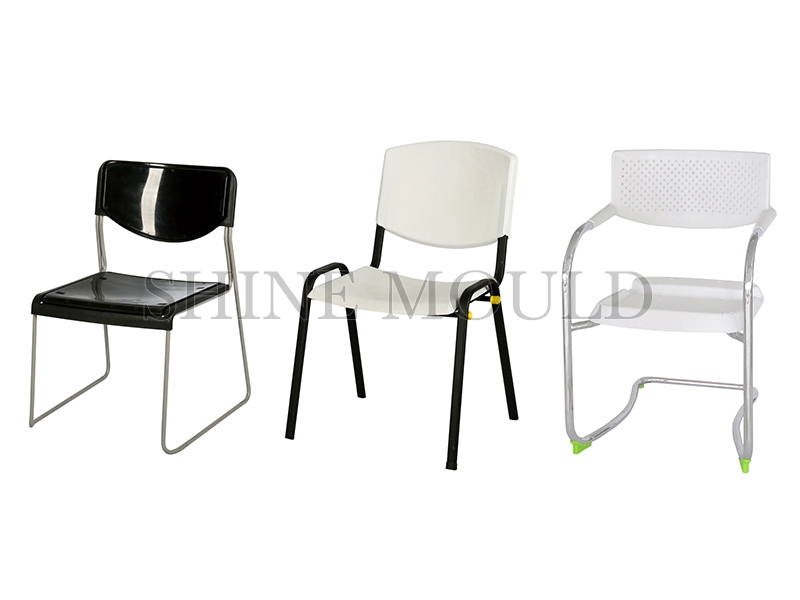
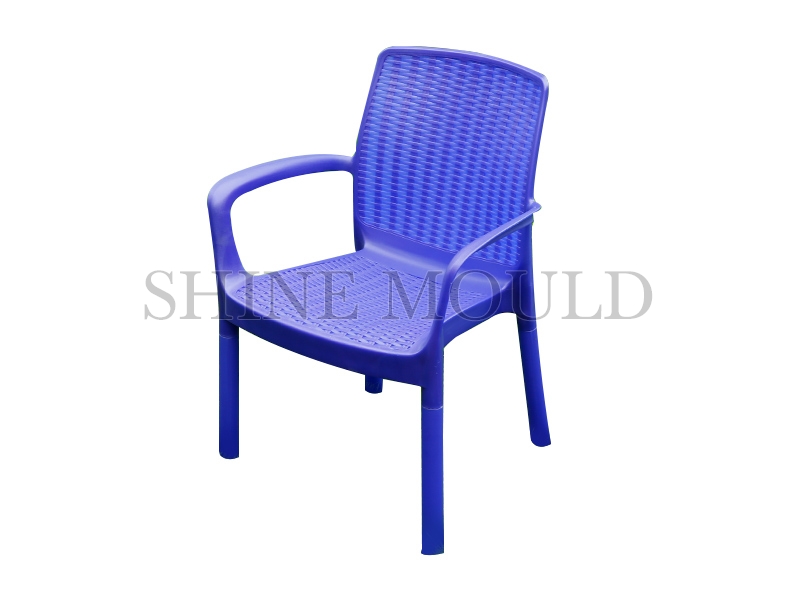
A Chair Mould is a tool used for making plastic chair parts in large quantities. It is normally installed inside an injection molding machine. Melted plastic material is pushed into the mold cavity under pressure. After cooling, the plastic becomes solid and forms the shape of the chair component.
Some molds are used to produce complete chair bodies. Others are made for separate parts such as:
- chair backs
- seats
- legs
- arm sections
- support frames
Different chair styles require different mold structures. A simple backless chair may use a less complicated mold, while a chair with curved armrests and detailed surfaces often needs a more complex internal layout.
Compared with smaller plastic products, chair molds are usually larger and heavier. The reason is simple. A chair needs enough strength to support repeated use, so the mold must control thickness, shape, and material distribution carefully.
Main Parts Inside A Furniture Mold
Although mold structures are not all the same, furniture molds contain several common sections.
Cavity And Core
The cavity creates the outer surface of the product. The core forms the inner shape. When the mold closes, these two sections leave a hollow space between them. That space becomes the final chair part after material enters and cools.
For products with curved shapes, the cavity area often needs more detailed machining work.
Cooling Channels
Plastic remains hot after injection. Cooling channels inside the mold help remove heat evenly.
If cooling is uneven, problems may appear, such as:
- product warping
- uneven shrinkage
- bending
- surface marks
Larger chair parts usually need more cooling control because thick sections cool more slowly than thin sections.
Ejection Structure
After the product cools, it must come out of the mold safely. Ejector pins or plates push the finished part outward.
If the ejection force is poorly balanced, the product surface may become damaged or bent during removal.
Runner And Gate Area
The runner guides melted material into the cavity. The gate is the entrance point where the material flows into the product shape.
The location of the gate can affect:
- filling balance
- surface appearance
- pressure distribution
- cooling behavior
A poorly positioned gate may leave visible marks or create uneven filling inside the product.
Surface Texture
Many plastic chairs do not use completely smooth surfaces. Some products use fine textures to reduce visible scratches or fingerprints.
Common surface styles include:
- matte textures
- grain patterns
- rough industrial finishes
- wood-like effects
These textures are usually processed directly onto the mold surface before production begins.
How Chair Production Normally Works
Plastic chair manufacturing usually starts with a product drawing or sample model. Before the mold is made, engineers study the shape and structure carefully.
Several things are normally checked during this stage:
- wall thickness
- support strength
- material flow direction
- cooling balance
- possible deformation areas
If the chair has curved sections or hollow support areas, the mold design may become more difficult.
After the design stage, the mold enters production and later moves into injection molding machines for testing.
Material Preparation
Plastic raw materials are prepared before molding begins. Some materials need drying before heating because moisture may affect surface quality.
Different materials behave differently during molding. Some flow more easily, while others require more stable temperature control.
Injection Process
Inside the machine, plastic material melts under heat. The machine then pushes the melted material into the mold cavity.
The material must fill all sections evenly. If filling is unbalanced, some areas may cool incorrectly or develop weak spots.
Cooling Stage
After injection, the product stays inside the closed mold while cooling down.
This stage affects:
- final dimensions
- product stability
- surface smoothness
- overall shape
Cooling too quickly or unevenly may create stress inside the product.
Product Removal
Once cooling finishes, the mold opens and the product is removed.
Some factories use robotic arms for this step, while others still use manual handling for certain products.
After removal, workers may trim edges or check the surface before packaging or assembly.
Why Stable Mold Performance Matters
Furniture factories usually produce the same product repeatedly over long production periods. Because of this, stable mold performance becomes important.
A stable mold can help:
- reduce size differences
- improve assembly fitting
- lower material waste
- reduce manual corrections
For stackable chairs and stools, dimensional consistency is especially important. Small differences may affect stacking balance and storage.
Factories also pay attention to mold maintenance because worn mold parts can slowly affect product quality over time.
Different Types Of Chair Mould
Not all molds are designed the same way. The structure often depends on the product size, production quantity, and design complexity.
Single-Cavity Mold
A single-cavity mold produces one product during each cycle.
This type is often used when:
- products are large
- designs change often
- production quantities are moderate
Single-cavity molds are usually easier to adjust and maintain.
Multi-Cavity Mold
A multi-cavity mold produces several parts at the same time.
This design may improve production efficiency for smaller products or simple furniture components.
However, balanced filling becomes more important because each cavity should receive material evenly.
Stack Mold
A stack mold contains more than one molding layer inside the same machine space.
This structure may help increase production output without using much more floor space.
Because the internal layout is more complicated, stack molds usually require more careful pressure and cooling control.
Specialized Mold Structures
Some furniture products use special molding methods to create lighter internal sections or reduce thick material areas.
These structures may help:
- reduce product weight
- improve shape balance
- lower visible sink marks
Complex chair designs sometimes use this approach for curved or integrated structures.
The Role Of Stool Mould In Furniture Manufacturing
Although stools are smaller than chairs, their molds still need careful structural planning.
Many stools are moved frequently or stacked together during storage. Because of this, balance and strength remain important during mold design.
Common stool structures include:
- reinforced bottoms
- curved seat surfaces
- hollow inner sections
- ribbed support areas
Even simple-looking stools may contain detailed internal reinforcement structures.
The molding process for stools is generally similar to chair production, but compact products may cool faster and require simpler mold layouts.
During development, engineers often pay attention to:
- corner filling
- support strength
- cooling around thick sections
- product stability after demolding
Small changes in structure can sometimes affect how the stool stands after production.
Common Mold Parts And Their Uses
| Mold Part | Function |
|---|---|
| Cavity | Forms the outer shape |
| Core | Creates the internal structure |
| Cooling Channel | Controls mold temperature |
| Runner | Guides material flow |
| Gate | Controls material entry |
| Ejector System | Removes finished products |
| Vent Area | Releases trapped air |
Surface Appearance And Product Design
Furniture appearance is closely connected with mold design. Surface texture, curves, and edge details are usually formed directly during molding.
Some products use smooth rounded edges for a softer appearance. Others use textured surfaces to reduce visible wear during daily use.
Large flat areas can sometimes deform more easily during cooling, so mold designers often add support ribs inside the structure. These ribs may not be visible from outside, but they help improve balance and strength.
In many modern seating products, appearance and structure are designed together from the beginning rather than treated as separate steps later in production.
Materials Used For Plastic Chairs And Stools
The material used during molding has a direct effect on the finished product. It can influence the weight, hardness, flexibility, and surface feel of a chair or stool. Different products are made for different places, so factories usually choose materials based on actual use conditions.
For example, a chair used outdoors may need different material properties compared with one used inside a classroom or cafe.
Common Materials
Polypropylene
This is one of the materials often used for plastic seating products. It is suitable for many common chair and stool designs because it can form different shapes during molding.
It is frequently used for:
- household chairs
- stackable seating
- simple stools
- lightweight furniture
Because the material itself is not very heavy, finished products are usually easier to move and transport.
Polyethylene
Some factories use polyethylene for products that may face changing weather or rougher daily use.
It can often be seen in:
- outdoor stools
- garden seating
- utility chairs
The surface feel may also be slightly softer compared with some other materials.
Reinforced Plastic
Some products need extra support strength. In those situations, reinforced materials may be used.
This can help improve:
- structural stability
- rigidity
- weight support
At the same time, harder materials may slowly increase wear inside the mold after long production periods.
Reused Plastic Material
Certain factories also process reused plastic material during production.
This may help reduce leftover waste, but reused material sometimes behaves less evenly during molding. Small differences in the material can affect filling and cooling conditions.
Because of this, machine settings often need more careful adjustment.
Problems That Sometimes Appear During Production
Even with careful mold design, production problems can still happen. Plastic seating products are usually larger than many daily plastic items, so small temperature changes may affect the final result more clearly.
Product Bending
Sometimes a chair or stool may bend slightly after cooling.
This can happen because of:
- uneven cooling
- thickness differences
- unstable pressure
- uneven shrinkage inside the product
Even a small amount of bending may affect whether the chair stands flat on the floor.
To reduce this problem, factories often adjust cooling speed and mold temperature.
Surface Dents
Small dents may appear near thicker product areas.
These are commonly found around:
- rib sections
- support corners
- reinforced structures
The reason is simple. Thick areas cool more slowly than thinner sections.
Changing the inner structure or improving cooling conditions may help reduce these marks.
Material Flow Marks
Sometimes faint lines appear on the surface because the melted material did not move evenly inside the mold.
Several things may influence this:
- injection speed
- material temperature
- gate position
- mold surface condition
These marks usually affect appearance more than strength.
Joining Lines
When melted plastic flows from two directions and meets together, a visible line may form.
These lines are often seen near:
- openings
- handle sections
- connection areas
If the connection is weak, the product may become less stable after long-term use.
Mold Maintenance During Daily Production
Furniture molds are used repeatedly for long periods, so regular maintenance becomes necessary.
Without maintenance, small internal problems may slowly affect product quality.
Cleaning The Mold
After many production cycles, small amounts of material residue may collect inside the mold.
Cleaning helps reduce:
- trapped residue
- blocked vent areas
- surface contamination
Textured mold surfaces often require more careful cleaning because fine patterns can collect particles more easily.
Lubricating Moving Sections
Moving parts inside the mold need lubrication so they can continue operating smoothly.
These parts may include:
- ejector pins
- sliders
- guide sections
Without enough lubrication, friction may increase and cause wear over time.
Checking Cooling Channels
Cooling channels help remove heat during production.
If part of the cooling system becomes blocked, temperature distribution inside the mold may become uneven. This can affect product shape and cooling balance.
Large chair products are especially sensitive to this because thicker sections hold heat longer.
Automation In Furniture Production
Many factories now use automated equipment together with molding machines. This helps reduce repeated manual work and creates a more organized production process.
The amount of automation depends on the factory setup and product type.
Automatic Product Removal
Some production lines use robotic arms to remove products after molding.
This may help:
- reduce handling damage
- improve production rhythm
- lower repeated lifting work
Larger products are often easier to handle this way because they may still be warm immediately after molding.
Conveyor Systems
After removal, products may move through conveyor lines toward inspection or trimming areas.
This helps reduce unnecessary carrying between workstations.
Monitoring Production Conditions
Some factories also monitor production conditions through digital systems.
These systems may track:
- mold temperature
- pressure changes
- cycle timing
- cooling conditions
When conditions become unstable, operators can adjust machine settings more quickly.
Surface Appearance In Modern Furniture
The appearance of plastic furniture is closely connected with mold design. Surface texture and edge shape are usually formed directly during molding.
Some products use smooth surfaces and rounded edges for a softer look. Others use textured finishes to make scratches less visible during daily use.
Matte Surfaces
Matte finishes are widely used in furniture products because they may hide fingerprints and light scratches more easily.
They are commonly seen in:
- household furniture
- office seating
- public-use chairs
- Texture Patterns
Certain molds contain texture patterns that create a more natural or industrial appearance.
These textures are processed directly on the mold surface before production starts.
Mixed Surface Styles
Some products combine different surface effects in one design.
For example:
- smooth outer edges
- textured seat areas
- patterned back sections
This creates visual variation without needing extra finishing work later.
Environmental Considerations
Furniture factories are paying more attention to material use and production waste than before.
During molding, manufacturers often try to reduce unnecessary material loss by adjusting runner systems and machine settings.
Some leftover material may also be reused for selected products.
At the same time, reused material usually requires more careful control because material quality may vary slightly between batches.
Energy use is another area receiving attention. Molding machines and cooling systems operate continuously during production, so stable production conditions may help avoid unnecessary energy consumption.
Product durability also matters. Seating products designed for longer use may help reduce replacement frequency and material waste over time.
Changes In Mold Development
Furniture design continues changing, and mold manufacturing changes with it.
Many newer products now use:
- thinner structures
- lighter shapes
- connected one-piece designs
- simplified assembly structures
Because of this, molds are becoming more detailed internally even if the outside appearance looks simple.
Before production begins, engineers often use digital simulation to study:
- material movement
- cooling behavior
- pressure balance
- possible deformation areas
This may reduce repeated testing later.
Some factories also use modular mold structures. In this setup, certain mold sections can be changed separately without rebuilding the entire mold.
This can make future product adjustments easier.
Plastic chairs and stools may appear simple, but the mold behind each product involves careful structural planning and repeated production adjustment.
A Chair Mould helps form larger seating products with balanced dimensions and stable structures. A Stool Mould is commonly used for compact seating products that still require reliable support during daily use.
As furniture production methods continue changing, mold development also continues adapting to new product shapes, material choices, and manufacturing conditions.
.jpg)
