



 Search...
 English
What Is a Crate Mold Used For
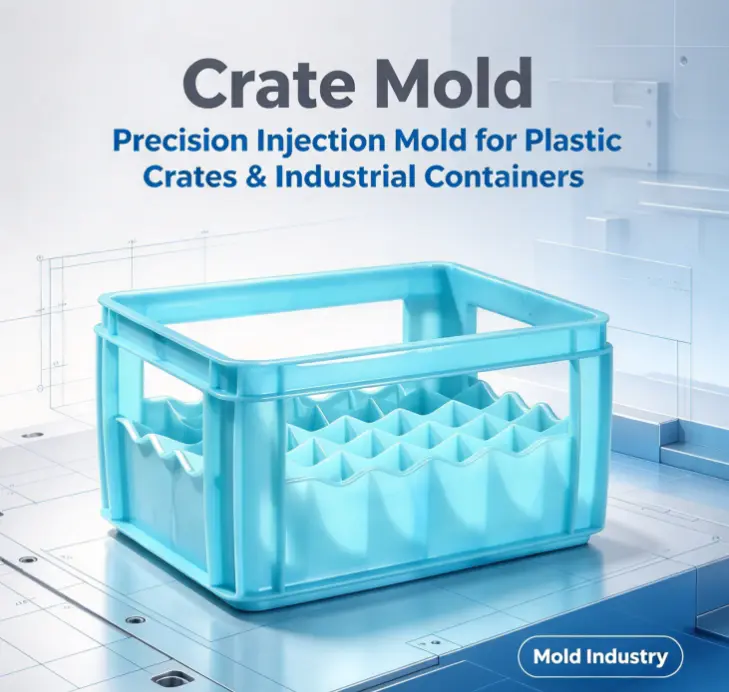
Plastic crates are common in storage, handling, transportation, agriculture, retail, and many other working environments. They may be used to hold products, organize materials, move goods, or keep items separated during storage.
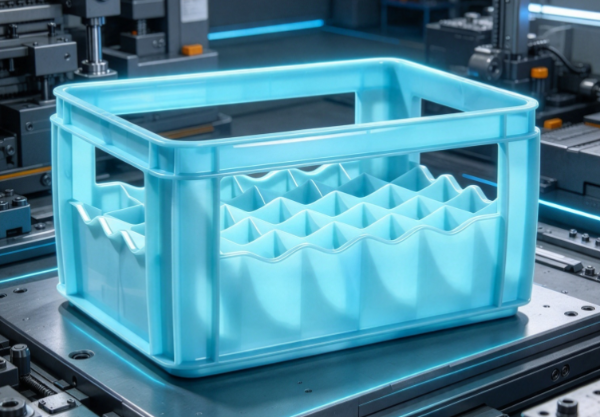
Although a finished crate looks like a simple plastic product, its shape comes from a carefully designed molding process. A Crate Mold provides the space needed to form the crate during plastic production. It helps define the walls, corners, openings, handles, base, and other visible features of the finished product.
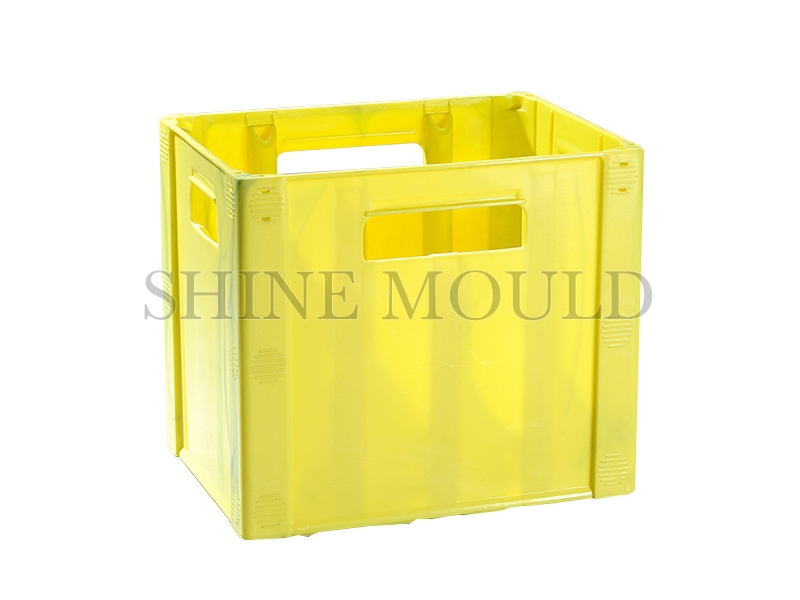
Crates are not all designed for the same purpose. Some need open sides for ventilation. Others need a stronger enclosed structure for storage. Some are designed to stack, while others are made for easy carrying or repeated handling.
These differences make crate mold design closely connected with the intended use of the plastic crate. The mold is developed around the product rather than treated as a separate part of manufacturing.
What Is a Crate Mold Used For in Plastic Manufacturing?
A crate mold's main job is shaping plastic material into a finished crate. During the molding process, plastic flows into the mold and takes on the form of its internal cavity.
The mold defines much of the product's basic structure right from the start. That covers the overall shape, wall arrangement, openings, handles, corners, base, and other design features baked into the piece.
The relationship between the mold and the finished crate plays out across several common production needs.
| Production Need | Role of a Crate Mold |
|---|---|
| Product shaping | Defines the overall crate structure |
| Wall formation | Creates the side and base sections |
| Opening design | Forms planned openings or ventilation areas |
| Handle formation | Creates integrated carrying areas |
| Product consistency | Supports repeatable crate production |
| Design customization | Allows the mold to follow a specific crate design |
A manufacturer might use a crate mold to produce storage crates, transport crates, agricultural crates, industrial handling crates, and other plastic container products across a whole product line.
The mold, then, becomes a genuinely important piece of the production process. It ties the product concept directly to whatever physical shape comes rolling out of the molding machine.
A change in crate design usually forces a change in the mold too. A different handle position, wall structure, base pattern, or opening arrangement all ripple into how the mold gets developed from scratch.
That's exactly why manufacturers normally work through product requirements before choosing or designing a crate mold.
How Does a Crate Mold Shape Different Crate Designs?
Not every plastic crate shares the same structure, not by a long shot. The intended application usually dictates how the crate should look and actually function once it's in use.
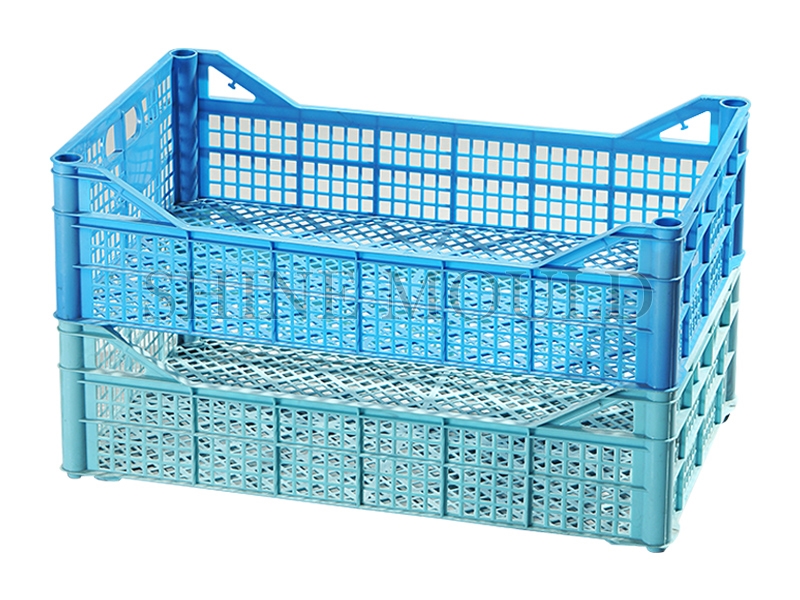
A produce crate might need openings letting air move freely around the contents inside. A storage crate might focus more on keeping items neatly organized. A transport crate might need handles and a structure that's genuinely convenient for repeated handling day after day.
Differences like these start right at the product design stage.
A crate mold reproduces whatever design gets chosen during molding. The mold's internal shape needs to reflect the external and internal features the finished crate actually requires.
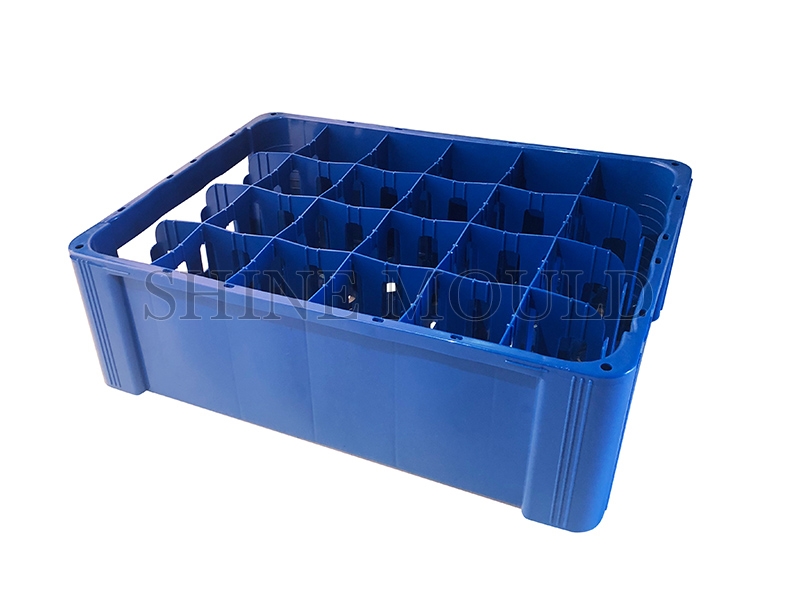
Common crate design elements include:
- Side walls
- Base structure
- Carrying handles
- Ventilation openings
- Corner areas
- Stacking features
- Product identification areas
- Reinforced sections
Each feature ripples into the mold in its own way.
A crate with large side openings, for instance, carries a genuinely different structure from one with mostly closed walls. A crate built for stacking might also need special areas letting one unit sit securely atop another without shifting.
| Crate Design | Typical Purpose | Mold Design Focus |
|---|---|---|
| Open crate | Ventilated storage and handling | Side openings and airflow spaces |
| Closed-wall crate | General storage | More enclosed wall structure |
| Stackable crate | Organized storage | Stacking-related features |
| Handle crate | Manual carrying | Integrated handle areas |
| Agricultural crate | Produce handling | Ventilation and product support |
| Industrial crate | Material handling | Functional structure and durability |
The mold must reproduce these features as part of one complete product.
This makes crate mold design closely related to the intended working environment. Manufacturers need to know how the crate will be handled before deciding how the mold should be developed.
Which Types of Plastic Crates Can Be Produced With a Crate Mold?
Crate molds can support a broad range of plastic crate products. The exact design depends on the application and the manufacturer's product range.
Storage crates are commonly designed around organization. They can be used to hold tools, components, supplies, or other goods. Transport crates focus more on moving products from one location to another.
Agricultural crates have another set of needs. Fruits, vegetables, and other products may require ventilation. The crate can therefore use an open structure that allows air to circulate around the contents.
Industrial crates can be designed for handling parts or materials within production environments. They may include handles, stacking features, or internal spaces suited to the items being stored.
The following table shows how different crate categories can influence mold development.
| Crate Category | Main Use | Related Mold Consideration |
|---|---|---|
| Storage crate | Organizing goods | Interior and wall structure |
| Transport crate | Moving products | Handling and carrying features |
| Agricultural crate | Holding produce | Ventilation openings |
| Industrial crate | Handling components | Product structure and support |
| Retail crate | Product storage and display | Appearance and accessibility |
| Stackable crate | Space-efficient storage | Stacking structure |
| Reusable crate | Repeated handling | Overall product construction |
The mold is developed around the intended product.
A manufacturer producing several crate categories may need different molds for different designs. This allows each crate to maintain features suited to its particular application.
The result is a more direct relationship between product purpose and mold structure.
Where Are Plastic Crates Made With Crate Molds Used?
Plastic crates are used across many industries because they provide a practical way to store, organize, and move goods.
In agriculture, crates can hold harvested produce during collection, storage, and transportation. Their open structure can make them suitable for products that benefit from airflow.
In warehouses, crates can help organize smaller goods and materials. They can also support internal handling when products need to move between different working areas.
Retail and commercial environments may use crates for storage, product organization, or display. Industrial facilities can use them to handle components and production materials.
| Application Area | Common Crate Purpose |
|---|---|
| Agriculture | Produce collection and handling |
| Warehousing | Storage and organization |
| Manufacturing | Component and material handling |
| Retail | Product organization and storage |
| Distribution | Product transportation |
| Workshops | Tool and parts storage |
| Commercial facilities | General material organization |
The variety of applications creates different requirements for crate design.
A crate used for vegetables may need more ventilation than one used for small mechanical components. A warehouse crate may need to make stacking easier. A workshop crate may need handles that allow convenient movement between work areas.
These application differences eventually influence the mold.
The more clearly a manufacturer understands the intended use, the easier it becomes to define the required crate structure and develop a suitable mold.
Why Does Crate Mold Design Matter for Reusable Plastic Crates?
Many plastic crates are designed to be used more than once. This changes the way manufacturers think about product design.
A reusable crate needs to remain practical through repeated handling. Its shape needs to support the way users pick it up, move it, stack it, store it, and access its contents.
The mold helps create the physical structure that supports these functions.
A reusable crate may include integrated handles, reinforced corners, an organized base, and features that help with stacking. These details are not added randomly. They are part of the original product design and need to be reflected in the mold.
The mold can also influence how easily the finished product is removed from production. A practical molding design considers the complete product structure rather than focusing only on its outside appearance.
For manufacturers, this means mold development can involve several connected questions:
- How will the crate be used?
- What type of products will it hold?
- Will it be stacked or stored individually?
- How will users carry it?
- Does it need ventilation?
- Does the design need customization?
- What plastic material will be used?
- How will the finished crate move through production and packaging?
These questions help connect crate design with mold development.
Can a Crate Mold Support Customized Plastic Crate Designs?
Yes. Crate molds can be developed around customized product designs.
Standard crate designs may work for common storage and handling needs. However, some manufacturers need a product with a particular size, shape, handle arrangement, opening pattern, or stacking structure.
A custom crate mold allows the production process to follow these requirements.
Customization can involve many parts of the crate. The overall shape may change. The side openings may be arranged differently. The base may use another structure. Handles can also be positioned according to the way users are expected to carry the product.
| Customization Area | Possible Product Requirement |
|---|---|
| Overall shape | Match a specific storage or handling need |
| Side openings | Provide a particular ventilation arrangement |
| Handle design | Support a preferred carrying method |
| Base structure | Suit the intended storage or stacking use |
| Corner design | Fit the overall product structure |
| Stacking features | Support organized crate storage |
| Surface design | Follow a particular product appearance |
| Internal space | Match the products being stored |
Custom mold development usually begins with the product concept.
The manufacturer and mold supplier need to understand what the finished crate should do. Drawings, product samples, or design information can help communicate these requirements.
This process is particularly useful for companies with their own crate designs. Instead of adapting an existing product to a production mold, the mold can be developed around the intended product.
What Materials Can Be Used With a Crate Mold?
Crate molds can be used with different plastic materials, depending on the product requirements and manufacturing process.
Material selection affects the finished crate. Different plastics can offer different combinations of flexibility, rigidity, impact behavior, surface appearance, and resistance to the surrounding environment.
The mold and material therefore need to be considered together.
A manufacturer may begin by asking what the crate needs to handle. A crate for lightweight retail goods may have different material needs from one used for repeated industrial handling.
The intended environment also matters. Storage conditions, outdoor use, contact with products, and repeated movement can all influence material selection.
| Material Selection Factor | Related Question |
|---|---|
| Product use | What will the crate hold? |
| Handling | How will the crate be moved? |
| Environment | Where will the crate be used? |
| Product structure | What level of flexibility or stability is needed? |
| Appearance | What surface look is required? |
| Reuse | Is the crate intended for repeated use? |
| Mold compatibility | Can the selected material work with the mold design? |
The material does not determine the crate design by itself. Product requirements, mold structure, and production conditions all need to work together.
For buyers, discussing material selection with the mold supplier can help avoid design conflicts later in the production process.
How Should Manufacturers Choose a Crate Mold?
Choosing a crate mold begins with understanding the product that needs to be produced.
A manufacturer should consider the crate's purpose, design, material, and production requirements. These factors provide a practical basis for comparing different mold solutions.
The following questions can help organize the selection process:
| Selection Area | Question to Consider |
|---|---|
| Product application | What will the crate be used for? |
| Crate design | What shape and structure are required? |
| Material | What plastic will be used? |
| Handles | Does the crate need integrated carrying areas? |
| Ventilation | Are open sections needed? |
| Stacking | Does the product need stacking features? |
| Customization | Is a special crate design required? |
| Production | Can the mold fit the intended manufacturing process? |
| Maintenance | Can the mold be managed during regular production? |
| Supplier communication | Can the supplier understand the product requirements? |
The product application should remain at the center of the decision.
A manufacturer making agricultural crates may focus on ventilation and handling. A company producing industrial storage crates may place more attention on structure and organization. A retailer may care more about accessibility and appearance.
These different needs can lead to different mold designs.
Supplier communication is also important during custom mold development. Buyers can explain the intended application and provide available product drawings or samples. The mold supplier can then consider how the design should be translated into a production mold.
A crate mold is ultimately part of a larger manufacturing system. It connects product design, plastic material, molding, product handling, and the intended application. When these elements are considered together, manufacturers have a clearer path from a crate concept to a finished plastic product.
.jpg)
