



 Search...
 English
Where Is a Pipe Fitting Mold Used in Plastic Manufacturing
Plastic pipe systems may look simple after installation. A pipe connects to another pipe, changes direction, branches into another line, or closes a section of the system. Behind these familiar connections is a range of plastic fittings with different shapes and functions.
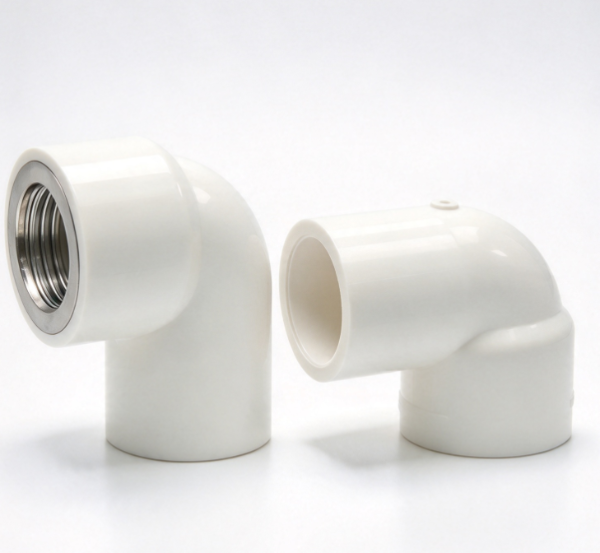
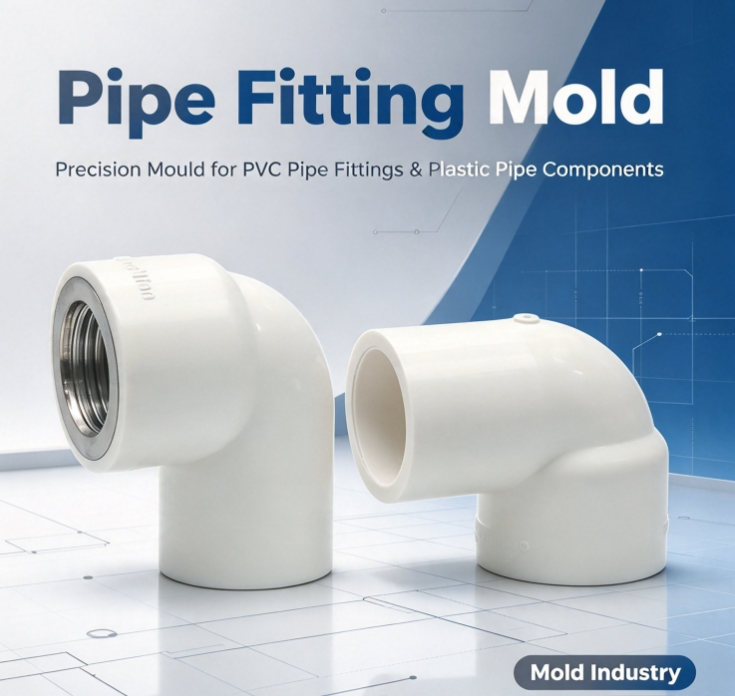
The production of these fittings depends heavily on molding. A Pipe Fitting Mold gives molten plastic a defined space in which it can form the required product shape. Once the molding process is complete, the finished fitting can move to later production, inspection, packaging, or assembly stages.
Pipe fitting molds are used in many parts of plastic manufacturing. They can support the production of elbows, tees, couplings, adapters, connectors, and other fitting designs. The mold needs to match the intended product rather than simply provide a space for plastic to enter.
For manufacturers, understanding where these molds fit into production can make product development and manufacturing planning more organized.
What Role Does a Pipe Fitting Mold Play in Plastic Manufacturing?
A mold is used during the shaping stage of plastic fitting production. It defines the form that the plastic material will take during molding.
The mold is closely connected with the product design. A fitting with a straight connection needs a different internal shape from a fitting that changes the direction of a pipe. A branch fitting also needs a different form from a simple connector.
| Manufacturing Need | Role of Pipe Fitting Mold |
|---|---|
| Product shaping | Defines the form of the plastic fitting |
| Connection design | Supports the intended connection structure |
| Product consistency | Helps produce fittings with a repeatable shape |
| Product variety | Allows different fitting designs to be produced |
| Custom development | Can be developed around a specific fitting design |
| Production handling | Supports the molding stage before later processing |
The mold is therefore more than a basic production tool. It becomes part of the connection between product design and manufacturing.
A manufacturer may begin with the desired fitting and then develop the mold around that design. The mold must provide the space needed for the plastic to form the required shape.
This is particularly important when fittings have several connection points or curved sections. The internal structure of the mold needs to reflect the final product.
Which Plastic Pipe Fittings Can Be Made With a Pipe Fitting Mold?
Molds can be used for many common fitting shapes. The exact mold design depends on the product being produced.
Elbows are used when a pipe system needs to change direction. Tees allow a pipe line to branch. Couplings can connect sections of pipe. Adapters can connect different types of pipe connections.
These products may look different on the outside, but they share a common manufacturing requirement. Their plastic material needs to be shaped into a controlled and usable form.
| Fitting Type | General Function | Mold Design Consideration |
|---|---|---|
| Elbow | Changes pipe direction | Curved product structure |
| Tee | Creates a branch connection | Multiple connection paths |
| Coupling | Connects pipe sections | Straight connection structure |
| Adapter | Connects different fitting arrangements | Combination of connection forms |
| Connector | Joins related components | Matching connection structure |
| Cap | Closes a pipe section | Closed-end product shape |
| Reducer | Connects different pipe arrangements | Changing connection form |
Different fitting designs can require different molds. A mold made for an elbow cannot simply be treated as a universal mold for every fitting.
This is why product development normally begins with the fitting itself. The intended use, connection structure, shape, and manufacturing process all influence the mold design.
Manufacturers producing a wider range of fittings may work with multiple molds. This allows the production system to respond to different product requirements without forcing unrelated designs into one mold structure.
Where Does the Mold Fit Into the Plastic Fitting Production Process?
The mold is mainly involved in the product shaping stage, but its influence can begin much earlier.
Before molding starts, manufacturers need to understand the product design. The fitting shape needs to be suitable for production. The mold can then be developed around that design.
A typical production flow can be viewed in a simple way:
The mold sits at the center of the molding stage.
During molding, plastic material enters the mold and takes the shape of its internal space. After the material has formed and reached a suitable state, the finished fitting can be removed.
The mold therefore affects more than the appearance of the product. Its design also needs to support practical removal and regular production handling.
A well-planned production process considers these stages together. Product design should not be separated completely from mold design. A change in the fitting shape may require a corresponding change in the mold.
The same applies when a manufacturer develops a new fitting for a different pipe system. The new product may have a different connection arrangement, which can lead to a different mold structure.
This close relationship makes mold planning an important part of plastic fitting manufacturing.
How Does a Pipe Fitting Mold Support Different Connection Designs?
Pipe fittings are designed around connection. The fitting needs to interact with other parts of a pipe system in the intended way.
This means that the mold has to reproduce the connection areas accurately enough for the finished fitting to serve its intended role.
An elbow, for example, needs a curved connection path. A tee needs more than one connection direction. An adapter may combine different connection forms within one product.
The mold follows these product differences.
A useful way to understand the relationship is:
- Connection purpose — What does the fitting need to connect?
- Product shape — What form allows that connection?
- Mold structure — How can the product shape be created during molding?
- Part removal — How can the finished fitting leave the mold?
- Production use — Can the mold support the intended manufacturing process?
This approach becomes particularly useful for customized fittings.
A manufacturer may receive an order for a fitting with a specific connection arrangement. The product cannot always be produced with a standard mold. A new mold design may be needed to reflect the requested shape.
The mold can therefore become part of the product development process rather than something considered only after the design has been completed.
Can Pipe Fitting Molds Support Different Plastic Materials?
A mold may be used with different plastic materials, but material selection and mold design need to work together.
Different plastics can have different processing characteristics. A manufacturer therefore needs to consider whether the selected mold is suitable for the intended material and production process.
The focus should not be on the mold alone. Material behavior, product design, and manufacturing requirements need to be considered as a connected system.
| Material Consideration | Related Manufacturing Question |
|---|---|
| Plastic type | Is the material suitable for the intended fitting? |
| Product function | Does the material fit the application? |
| Mold compatibility | Can the mold support the selected material? |
| Product shape | Can the material form the required design? |
| Processing needs | Does the production process suit the material? |
| Finished product | Does the molded fitting meet its intended use? |
For manufacturers, this means a mold should be selected with the complete production plan in mind.
A fitting may need to provide a certain combination of flexibility, stability, surface appearance, or resistance to its surrounding environment. The plastic material influences these characteristics.
The mold then needs to support the material while creating the required product form.
This is why communication between material selection and mold development matters. When the product, material, and mold are considered together, manufacturers can reduce unnecessary changes during development.
Why Does Pipe Fitting Mold Design Matter for Production?
Mold design has a direct connection with how a plastic fitting is formed and handled during manufacturing.
A fitting may contain curves, branches, connection areas, internal spaces, or changes in shape. The mold needs to accommodate these features while allowing the finished part to be removed after molding.
The product shape also affects mold development.
A simple coupling may have a relatively straightforward structure. A multi-branch fitting can require a more carefully planned mold because several product areas need to be formed at the same time.
Manufacturers may therefore review several aspects when developing a pipe fitting mold:
- Overall fitting shape
- Connection arrangement
- Internal product structure
- Part removal requirements
- Production workflow
- Material selection
- Product appearance
- Intended application
The goal is to create a mold that fits the actual product.
Mold design can also influence production flexibility. When a manufacturer regularly produces different fitting styles, the ability to manage different mold designs becomes part of the overall manufacturing system.
This can affect product development, production scheduling, maintenance, and future customization.
What Applications Use Plastic Pipe Fittings Made With These Molds?
Plastic pipe fittings are used wherever plastic piping systems need connections, direction changes, branches, closures, or transitions.
The exact application can vary widely. Water-related systems may require different fitting designs from drainage or industrial piping systems. Building services can also involve a range of plastic connections.
The mold itself may not be visible after production, but its role appears in the finished fitting.
| Application Area | Possible Fitting Requirement |
|---|---|
| Water systems | Connections between pipe sections |
| Drainage systems | Direction changes and branch connections |
| Building services | Fittings for organized pipe layouts |
| Agricultural systems | Connections within irrigation arrangements |
| Industrial piping | Fittings for different pipe configurations |
| Residential plumbing | Common connection and transition fittings |
| Commercial facilities | Fittings for larger pipe networks |
Different applications can lead to different product requirements.
A fitting used in a building may need a design that supports convenient installation. An industrial application may place different demands on the material and product structure. Agricultural systems may require fitting designs that suit particular pipe arrangements.
Because of this variety, pipe fitting mold manufacturers often need to understand the intended product application before developing the mold.
The application helps define the product. The product defines the mold. The mold then becomes part of the manufacturing process.
How Should Manufacturers Choose a Pipe Fitting Mold?
Choosing a mold should begin with the product rather than the mold alone.
Manufacturers can consider the intended fitting design, plastic material, production process, and expected product range. These factors provide a clearer basis for mold selection.
For buyers, the following questions can help organize the evaluation:
| Selection Area | Question to Consider |
|---|---|
| Product design | What type of fitting needs to be produced? |
| Connection structure | How will the fitting connect with other parts? |
| Material | What plastic material will be used? |
| Production process | How will the fitting be molded? |
| Product range | Are several fitting designs required? |
| Customization | Does the fitting need a special shape? |
| Part removal | Can the finished product be removed conveniently? |
| Maintenance | Can the mold be managed during regular production? |
| Supplier capability | Can the supplier understand the intended fitting design? |
Customization can be particularly important for manufacturers with their own product designs.
A standard fitting may be suitable for a common pipe system. A specialized project may require a different shape. In that situation, mold development needs to follow the product requirements closely.
Communication with the mold supplier is also useful. Buyers can provide drawings, product concepts, connection information, and application details where available. This gives the mold manufacturer a clearer understanding of what needs to be produced.
The production environment matters as well. A mold should not only create the desired fitting. It should also fit the manufacturer's broader workflow.
For companies producing several fitting categories, mold management becomes an ongoing part of production planning. Different molds may support different products, while maintenance and storage need to remain organized.
A thoughtful selection process therefore connects several elements at once: the fitting design, plastic material, molding process, application, and future production needs. This helps manufacturers treat the Pipe Fitting Mold as part of the complete product system rather than as an isolated manufacturing tool.
-1.jpg)
.jpg)
