



 Search...
 English
Why Do Manufacturers Often Choose PP Material for Laundry Baskets
In daily life, a laundry basket looks simple, but behind it there is a clear connection between material behavior, shaping method, and real usage habits. Many households use it every day without thinking about how it is made or why it feels a certain way when carrying clothes.
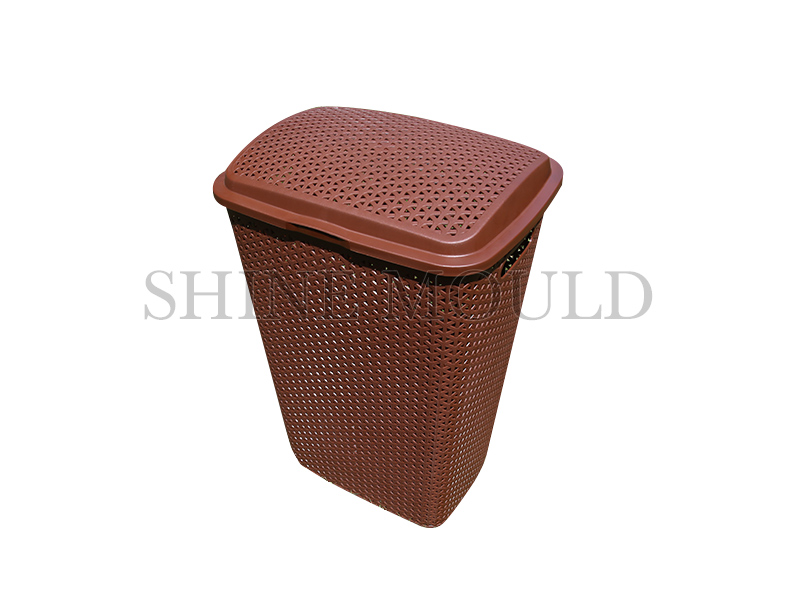
In production, Laundry Basket Mould is the part that gives the basket its real shape, while the material determines whether that shape can be formed smoothly and used comfortably over time. TAIZHOU HUANGYAN SHINE MOULD CO., LTD. is often involved in this type of product development where practical structure and material behavior are considered together in early stages.
Material Choice in Everyday Basket Design
When looking at a laundry basket in a home, the expectations are actually quite simple. It should not crack easily, it should not feel too heavy, and it should stay usable even when it is full of clothes or moved frequently.
From a manufacturing point of view, material selection usually starts from these real usage situations:
- The basket may be lifted with wet clothes inside, adding uneven weight
- It may be placed in bathrooms or balconies with changing humidity
- It may be stacked or squeezed into small storage corners
- It may be used repeatedly every day without special care
These conditions require a material that can follow the shape made by Laundry Basket Mould without becoming fragile or unstable.
PP material is often selected because it behaves in a way that matches these everyday conditions. It does not feel too rigid, and it does not easily deform under normal household pressure.
How PP Material Behaves During Real Product Formation
To understand why PP is commonly used, it helps to imagine what happens inside the mould during production. The material is heated until it becomes soft and flows, then it is pushed into the mould cavity where the basket shape is formed.
Inside this process, several practical behaviors can be observed:
- The material can enter thin rib areas without stopping
- It can spread into corner areas without leaving large empty gaps
- It can form small ventilation holes without breaking structure
- It cools down while holding the basket shape steadily
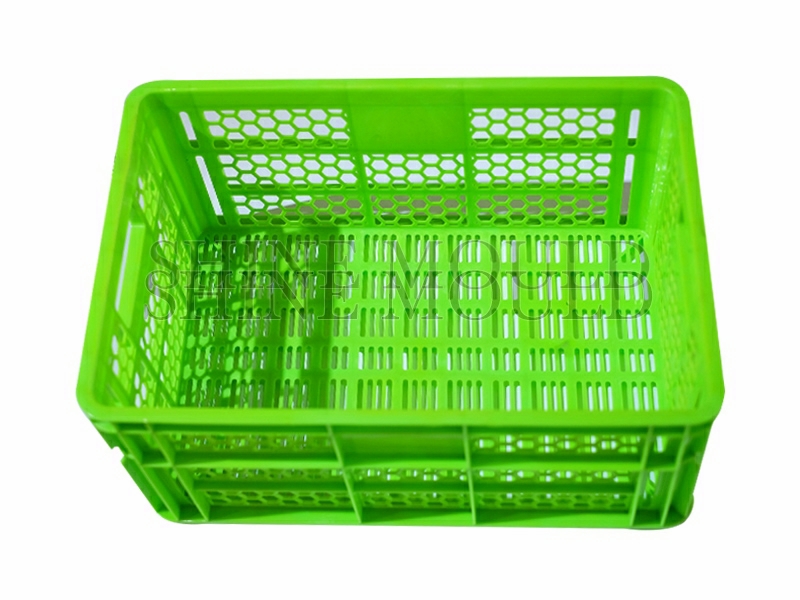
These behaviors are closely connected to Laundry Basket Mould, because the mould contains all the details such as handle curves, bottom reinforcement, and side ventilation patterns.
If the material does not flow properly, everyday problems can appear later, such as uneven walls or weak handle areas. PP helps reduce these issues because it moves smoothly during shaping and settles evenly after cooling.
What Happens When Basket Structure Meets Real Use
A laundry basket is not a static product. It is constantly lifted, dropped lightly, or filled unevenly depending on laundry habits. This is where material behavior becomes noticeable in daily life.
PP material shows a practical response in these situations:
- When the basket is full on one side, it bends slightly instead of breaking
- When it is placed on the floor with force, it absorbs part of the impact
- When it is lifted by the handle, stress is distributed across reinforced ribs
- When it is stacked with other baskets, it does not easily lose shape
These behaviors are not accidental. They are connected to both material structure and the way Laundry Basket Mould designs support points and stress paths.
In many households, baskets are used in bathrooms where moisture is common. PP material does not easily absorb water, so it maintains stable shape even in damp environments.
Why Mould Design and Material Must Work Together
A common misunderstanding is that material alone decides product quality. In reality, the mould structure and material behavior work together like two parts of one system.
Inside a typical Laundry Basket Mould, there are several design elements that directly influence daily performance:
Thin ventilation sections that allow airflow for wet clothes
- Reinforced ribs under the base to carry weight
- Smooth handle transitions to reduce hand pressure
- Slight draft angles that help remove the product after cooling
If PP material did not match these features, problems would appear during production or later use. For example, rigid materials might crack at handle joints, while overly soft materials might lose shape when stacked.
PP fits in between these extremes, allowing the mould structure to perform its role without creating unnecessary stress points.
| Usage Situation in Home | Material Response | Practical Feeling in Use |
|---|---|---|
| Basket filled with wet clothes | Slight bending without cracking | Feels stable but not stiff |
| Lifted by one handle side | Weight spreads across structure | Less pressure on hand |
| Placed on uneven floor | Adjusts shape slightly | Remains usable position |
| Stored in tight space | Slight compression | Returns to shape after use |
How Material Flow Affects Everyday Basket Strength
The way it flows during forming has a direct impact on how the basket behaves later in real use.
In practical production terms, several flow-related factors matter:
- If material fills too slowly in one area, that section may feel thinner in use
- If flow meets resistance at corners, stress lines may appear after cooling
- If handle areas are not filled evenly, lifting comfort can be affected
- If ventilation zones are blocked during flow, structural balance may change
PP material helps reduce these issues because it moves in a relatively steady way, even when the mould includes many small openings. This makes it easier for Laundry Basket Mould to form stable basket shapes without creating weak points that are noticeable in daily handling.
Handle Areas and Real Carrying Experience
The handle is one of the used parts of a laundry basket. It is also where material behavior becomes easy to notice in daily life.
When people carry a basket full of clothes, the force is concentrated in two small areas. If the material or structure is not suitable, the handle may feel uncomfortable or unstable.
PP material responds in a practical way:
- It allows slight bending under weight instead of sudden stiffness
- It spreads force across connected ribs rather than one single point
- It reduces sharp pressure feeling on the hand during lifting
- It maintains shape after repeated use without quick fatigue
Inside Laundry Basket Mould, handle design is usually reinforced with thicker sections or internal ribs. PP works well with this structure because it bonds smoothly with reinforced zones during forming, creating a more stable connection between handle and basket body.
In daily use, this coordination becomes noticeable when lifting wet clothes, where weight is uneven and changes suddenly during movement.
Cooling Behavior and Real Shape Stability
After forming, the basket is still in a sensitive stage while it cools down. This is when final shape stability is decided.
In household use, if a basket easily warps or twists, it becomes inconvenient to stack or store. PP material helps reduce this issue because its cooling behavior is relatively predictable.
Inside Laundry Basket Mould, cooling affects:
- Whether the basket bottom stays flat on the floor
- Whether side walls remain straight during storage
- Whether handle angles stay comfortable for gripping
- Whether ventilation holes keep uniform spacing
If cooling is uneven, one side may shrink slightly more than the other. PP material tends to settle gradually, which gives the mould structure enough time to maintain shape consistency.
Common Everyday Problems and Material Response
In real home environments, laundry baskets face simple but repeated challenges.
Some typical situations include:
- Basket placed near washing machines with vibration nearby
- Wet clothes left inside for a period of time
- Basket stacked under other household items
- Frequent dragging or sliding on floor surfaces
PP material reacts to these conditions in a controlled way. It does not easily crack under mild impact, and it can return to shape after slight bending.
| Daily Situation | What Happens in Practice | PP Material Response |
|---|---|---|
| Basket filled unevenly | One side carries more weight | Slight flex without damage |
| Frequent lifting | Repeated stress on handles | Stress distributed across ribs |
| Storage in tight space | Light compression from surroundings | Gradual shape recovery |
| Wet environment use | Continuous moisture exposure | Stable structure without absorption |
These behaviors are not only related to material choice, but also to how Laundry Basket Mould defines structure during forming.
A laundry basket does not need to be complex, but it must remain stable in small daily actions. This balance comes from how mould design and material behavior work together.
.jpg)
.jpg)
