 Search...
 English
Why Does Mold Design Matter in Blow Moulding Manufacturing
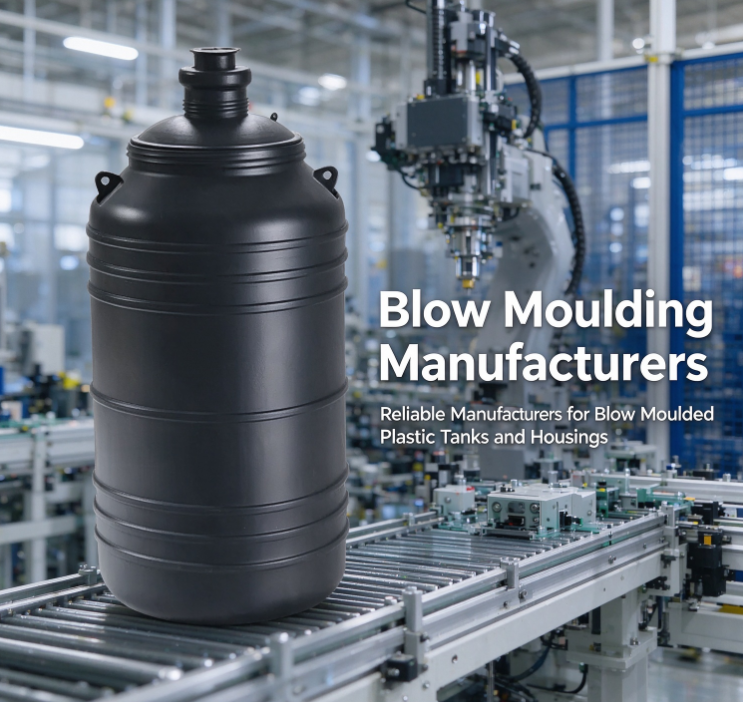
Bottles, containers, industrial packaging, car parts, household items: a huge range of hollow plastic products start life in a blow moulding mold. From the outside the process looks easy. Heat the plastic, shape it into a hollow form, then inflate it against a mold until it takes the final shape. Getting the same good result thousands of times in a row is another matter.
The mold sits at the center of that effort. It fixes the shape of the product, affects how the plastic spreads as it expands, and has a say in cooling, material use, and cycle speed. A weak design shows up fast: uneven walls, surface flaws, parts that miss their dimensions, or products that refuse to come out cleanly. Each of these costs money and wastes material.
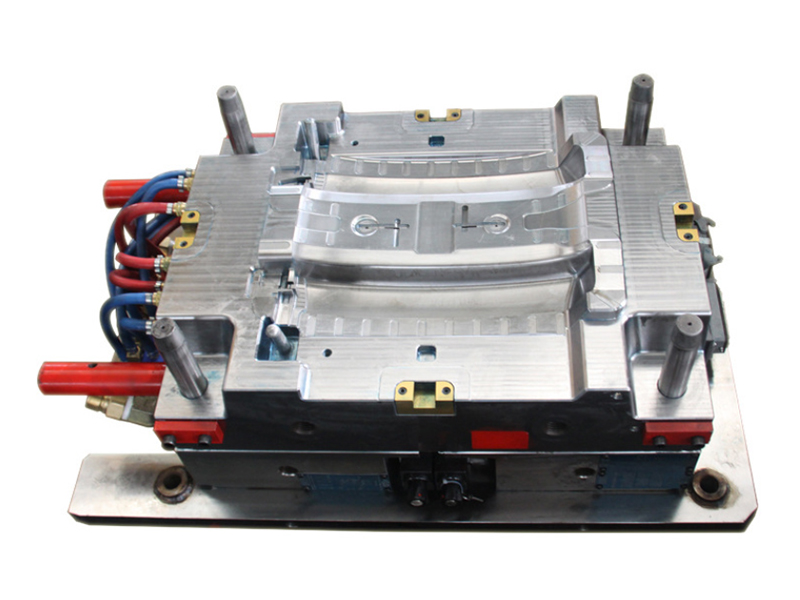
For manufacturers, a mold is more than a cavity that copies a drawing. The designer has to understand how plastic behaves, how the product is built, what the factory can actually do, and what the product will be used for. Nearly every design decision leaves a mark on how the product forms and how it performs later.
Product demand keeps getting more varied, so more manufacturers are looking hard at mold structure and its link to quality. Seeing why mold design matters explains a lot of the everyday problems in blow moulding.
What Role Does a Mold Play in the Blow Moulding Process?
The mold gives heated plastic its final form. It supplies the outer boundary that the expanding material follows. Once the plastic is inside and air pressure pushes it outward, it takes on the shape of the cavity.
The idea is simple, but the mold does several jobs during production.
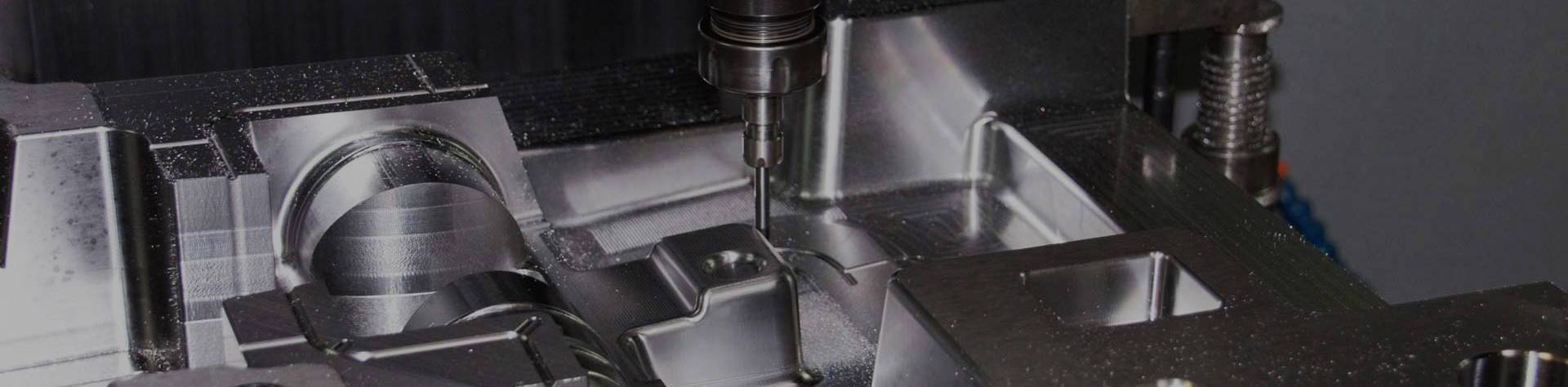
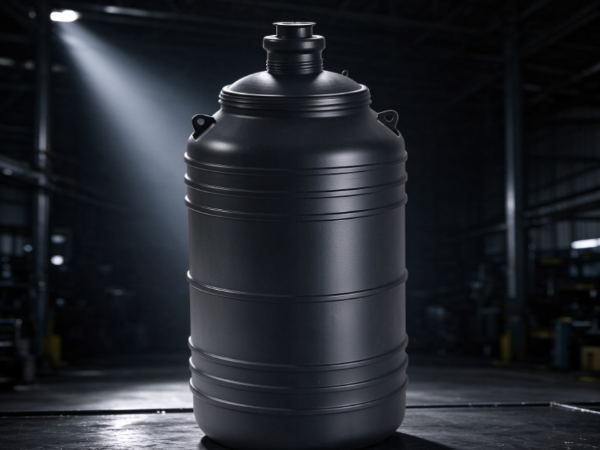
First, it sets the outside dimensions and look of the product. The cavity controls the overall shape, surface detail, edges, and other structural features. On a bottle, that means the body, shoulder, neck, and base. On an industrial container, the mold may also have to handle handles, reinforcing ribs, and specially shaped corners.
Second, it helps control where the plastic goes. As the hot material expands, some areas stretch more than others. The mold should support the intended shape without adding stress or leaving the material unevenly spread.
Third, it handles cooling. Once plastic touches the mold surface, it starts to cool and hold its form. The mold must carry heat away so the product is stable by the time it's released.
Finally, it affects removal. The opening structure, the parting line, and the surface design decide how easily the finished part separates from the cavity.
These jobs are tied together. A mold that gives the right shape but cools unevenly will still cause trouble. A mold with a poor opening design can make removal hard even when the part looks fine.
That is why design has to cover the whole production cycle, not just the product's outer appearance.
How Does Mold Design Affect the Shape and Structure of Plastic Products?
Shape is the visible result of mold design. The cavity decides the external form of the finished product, but its influence goes well past basic dimensions.
A drawing may show a plain bottle or container. The real part can have curved surfaces, narrow openings, rounded shoulders, deep corners, and changes in thickness. Every one of these features changes how the hot plastic expands and touches the mold.
Take a bottle with a narrow neck and a wide body. The plastic has to stretch a lot more in the body than in the neck. If the mold geometry isn't thought through, the material won't spread evenly.
Complex shapes add more difficulty. Deep grooves, sharp transitions, and recesses can keep plastic from reaching every corner of the cavity, which leads to incomplete forming or visible surface differences.
Designers need to look at how product geometry and material behavior interact. A shape that looks great on screen may not suit blow moulding without some changes to its structure.
Some features need particular care:
- Product corners: Rounded transitions help plastic flow and expand without too much local stretching.
- Neck and opening structures: These must hold their intended dimensions and join the body properly.
- Curved surfaces: Their shape affects how the plastic stretches while forming.
- Recessed details: Deep or narrow features can make it hard for plastic to fill the cavity.
- Base structure: The bottom has to carry the intended load and give the container stability.
Good design balances appearance, function, and manufacturability.
An attractive shape that's hard to make consistently becomes a headache in mass production. Talking early with mold engineers lets product designers catch these issues before any steel or aluminum is cut.
Why Is Wall Thickness Distribution Important in Mold Design?
Wall thickness affects strength, weight, flexibility, and how well a product handles pressure or repeated use.
In blow moulding, heated plastic expands to fill the cavity, and different areas stretch by different amounts depending on geometry and forming conditions. The final wall is rarely perfectly even.
A container with a wide body and tight corners is a good example. Some sections thin out as the material stretches. Others keep more material.
When the distribution is wrong, problems follow.
Thin spots become weak points. They're more likely to deform, crack, or fail under pressure or impact. Overly thick areas use more material and take longer to cool.
Good mold design helps manage these risks by accounting for product geometry and the way the plastic expands.
Here's how thickness relates to product performance:
| Wall Thickness Condition | Possible Effect on Product |
|---|---|
| Uneven distribution | Different sections may have inconsistent strength and flexibility. |
| Excessively thin areas | Increased risk of deformation or damage. |
| Excessively thick areas | Higher material consumption and longer cooling requirements. |
| Suitable distribution | More consistent structural performance and material use. |
The intended use matters too.
A light beverage bottle has different structural needs from a large industrial drum. A household product may be handled over and over, while a chemical container has to support its contents through storage and transport.
Designers need to know where the product will be stressed and how the plastic is likely to respond.
So think about wall thickness early. Waiting for problems to appear in production can mean changes to the mold, the process settings, or even the product itself.
How Does Mold Design Influence Cooling Efficiency?
Cooling is a core step. After the hot plastic is pressed against the mold, it has to shed heat and become stable enough to keep its shape.
The mold is the path for that heat. Its surface draws heat out of the plastic.
A poor cooling layout creates temperature differences across the cavity. Some areas of the product cool faster than others, and that can lead to uneven shrinkage, dimensional change, or warped surfaces.
Thick sections hold heat longer than thin ones, for instance. If the cooling design ignores that, the product won't settle evenly.
So the shape and position of cooling channels matter. These channels carry a cooling medium through the mold and pull heat from the forming area.
Their layout should follow the product's shape. Heavier sections and complex geometry need extra attention because they're harder to cool.
Cooling also drives productivity. If a part takes a long time to cool, the whole cycle gets longer, which cuts capacity and raises operating cost.
Still, shortening cooling time must not come at the cost of stability. Releasing a part too early can cause deformation during removal or handling.
Several linked factors come into play:
- The overall shape and thickness of the product.
- The location and layout of cooling channels.
- Heat transfer between the plastic and the mold surface.
- The material's cooling and shrinkage behavior.
- Temperature distribution across the mold.
A sound cooling design keeps products in their intended shape and supports a steady production process.
What Makes Mold Materials and Surface Finishes Important?
Material choice also shapes production results. A mold must survive repeated cycles while keeping its form and surface condition.
Materials differ in strength, heat transfer, wear resistance, and how easily they machine, and those traits decide where each one fits.
Aluminum is common in blow moulds. It machines easily and conducts heat well, so it works for many jobs, especially when cooling and mold weight matter.
Steel is the other main option. It tends to be chosen when strength, wear resistance, or long production runs are the priority. The final call depends on the product, the factory environment, and the expected service life.
Surface finish matters as well.
The mold surface touches the plastic directly during forming, so its condition affects the appearance of the product. Scratches, tool marks, or irregularities can be copied onto the plastic.
On transparent or decorative products, these flaws are easy to see. Packaging may also need a specific surface texture for its look or for how it feels in the hand.
Surface treatments can improve durability and keep the mold in good working order, as long as they suit the mold material and the production needs.
| Mold Design Element | Main Consideration | Potential Production Influence |
|---|---|---|
| Mold material | Strength and heat transfer | Durability and cooling behavior |
| Cavity surface | Smoothness and texture | Product appearance |
| Surface treatment | Wear and corrosion resistance | Mold maintenance requirements |
| Structural rigidity | Resistance to repeated production stress | Dimensional stability |
| Machining quality | Accuracy of cavity details | Product consistency |
Decisions on material and finish should reflect the full manufacturing need. A mold for a simple packaging container may have very different demands from one built for a large industrial component.
Why Are Parting Lines and Mold Opening Structures Important?
A blow mold is made of sections that close together during forming and open to release the part. The place where they meet is the parting line.
It looks like a minor detail, yet the parting line affects appearance, sealing, trimming, and part removal.
Put it in the wrong place and it can leave visible marks where looks matter. It can also make trimming excess plastic harder.
Its position should follow the product shape and the manufacturing needs. A simple bottle is usually straightforward. A container with handles or complex side features needs more thought about how the mold opens.
Opening direction counts too. The mold must pull away from the finished part without deforming or damaging it.
Parts with deep recesses, curved sections, or locking features are harder to release. If the geometry leaves too little clearance, the plastic can get trapped as the mold opens.
Designers may then need to change the cavity structure or add mold features that help the part come out.
Flash is a related issue. Excess plastic can squeeze out where the mold sections meet, and it has to be removed after forming.
The closing structure and parting line design influence how much flash forms and how easily it comes off.
A well-planned opening structure cuts finishing work and keeps product appearance consistent.
How Can Mold Design Reduce Manufacturing Defects?
Defects come from many sources: materials, process errors, equipment, and the mold itself. Good design can't remove every problem, but it can head off many of those tied to forming.
Uneven wall thickness is a common one. As covered above, geometry and material stretching create weak areas. A mold designed around how the material expands can reduce the differences.
Surface defects are another worry. Rough cavity finishing, poor venting, or contact problems can all show up on the finished part.
Venting deserves special mention. As plastic expands, the air between it and the mold wall needs a way out. Trapped air keeps the plastic from touching parts of the mold properly.
The result can be incomplete surface formation or other cosmetic faults.
Vent position and layout should follow the product geometry. Deep details and complex shapes may need extra attention.
Other common issues are listed here:
| Common Defect | Possible Mold-Related Cause |
|---|---|
| Incomplete forming | Unsuitable cavity design or insufficient air escape. |
| Uneven wall thickness | Product geometry creates inconsistent material stretching. |
| Surface marks | Poor cavity finishing or surface damage. |
| Flash formation | Problems with mold closure or parting line design. |
| Product deformation | Uneven cooling or unsuitable release conditions. |
| Dimensional inconsistency | Mold wear or insufficient structural accuracy. |
Remember that a defect often has more than one cause. Uneven wall thickness, for example, can also come from material preparation or process settings.
When trouble appears, look at the whole production process. Mold changes may fix some problems, while others call for a different material formulation or machine settings.
A design review before the mold is built can flag risks early. Digital modeling and sample testing let engineers check geometry and forming behavior before full production starts.
What Should Manufacturers Consider When Designing a Blow Moulding Mold?
A good mold design links product requirements to real manufacturing conditions. A design that looks fine on paper can still struggle with a particular machine, material, or production method.
Several aspects deserve a look before mold production begins.
Product function and application
The way the product will be used sets its structural needs. Packaging, automotive parts, and household goods face different conditions.
A liquid bottle may need reliable sealing and stable structure. An industrial container may need to resist impact and rough handling.
Knowing the application shows designers where to focus.
Plastic material characteristics
Plastics behave differently when heated, stretched, and cooled. Flow, flexibility, and shrinkage all influence mold structure.
Consider the material early in the design, not as a separate production decision made later.
Compatibility with blow moulding equipment
The mold has to fit the machine. Its overall structure, opening arrangement, and mounting needs must match the equipment.
Overlooking this can cause installation problems or limit production flexibility.
Manufacturing and maintenance requirements
Plan for future maintenance. Hard-to-reach areas make cleaning and repair slower.
Replaceable components, accessible cooling channels, and practical opening arrangements all make upkeep easier.
Production volume and product consistency
Expected demand affects material choice, mold structure, and build method. A mold for long, repeated runs needs different durability from one for small batches.
Design verification
Before building, review the drawings, cavity geometry, cooling layout, and opening structure. Digital simulation can reveal forming and cooling problems ahead of time.
After the mold is made, sample testing offers another check. Manufacturers can inspect appearance, dimensions, wall thickness, and how the part releases.
That also shows whether adjustments are needed before regular production begins.
Clear communication among product designers, mold engineers, machine operators, and material suppliers ties all of this together. Each group knows something the others don't, and that shared knowledge shapes the final mold and how it performs on the factory floor.