 Search...
 English
Why Is Plastic Dustbin Mould Important for Outdoor Waste Container Production
Why Are Outdoor Waste Containers Expected to Handle More Demanding Conditions?
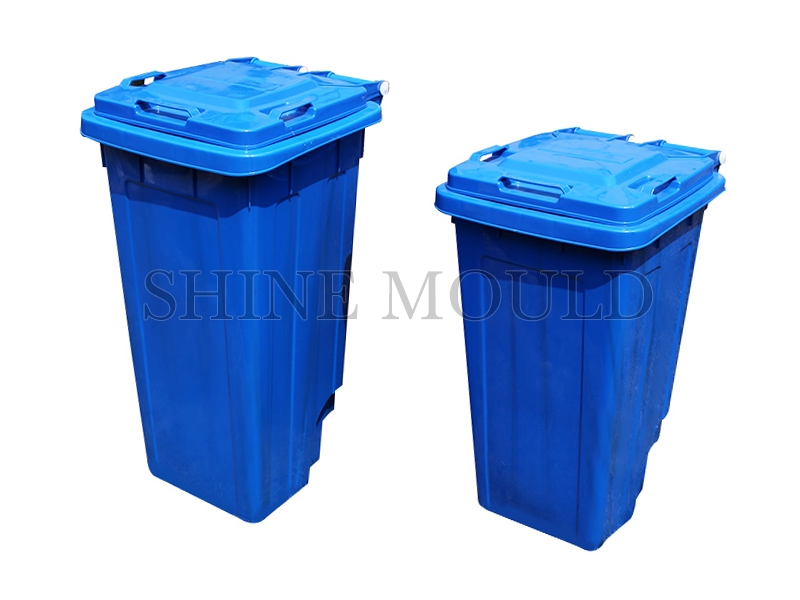
Outdoor waste containers stay in places where conditions change all the time. One part of the day may be dry and warm, then later the surface becomes wet or dusty. Containers are pushed across rough ground, left under direct sunlight, opened many times, and sometimes overloaded during daily use. Indoor bins rarely deal with this kind of repeated pressure.
Because of that, the mould used during manufacturing becomes very important from the beginning. Plastic Dustbin Mould does much more than shape the outside appearance. It influences how the container handles stress after months of use outdoors.
In real production environments, weak mould structure often creates problems that are not obvious immediately. A container may look normal after moulding, though uneven wall sections can slowly become visible later. Corners may start changing shape slightly. Lid fitting may feel less stable. Wheel areas may carry pressure unevenly.
Outdoor handling also creates constant movement stress. Waste containers are not kept in one position for long. They are dragged, lifted, rolled, pushed against curbs, and placed on uneven ground. Pressure keeps shifting from one area to another during use.
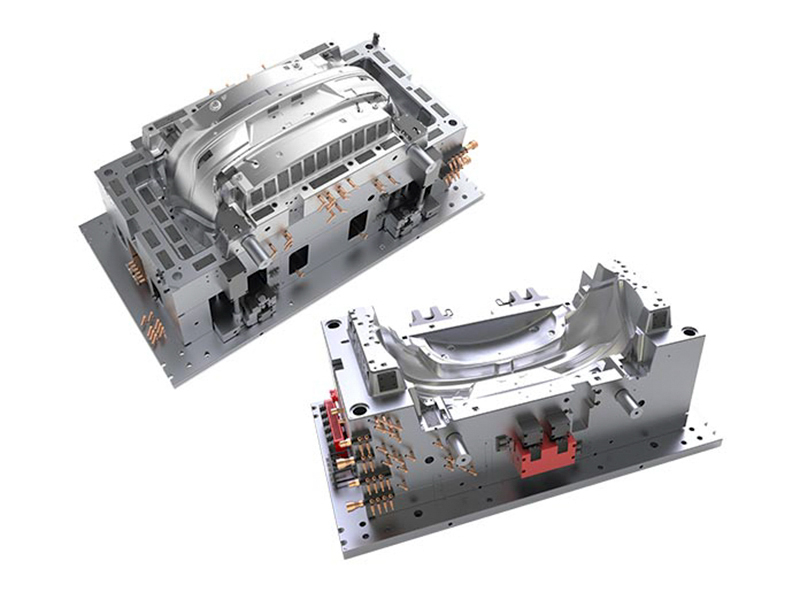
Dustbin Injection Mold systems help control how material spreads inside the cavity during production. More balanced filling usually helps the finished container stay more stable after repeated outdoor handling.
Production consistency matters as well. Containers used in waste collection systems often need matching lid position, wheel placement, and stacking alignment. Small mould differences can affect those details over time.
What Must Outside Garbage Containers Be Designed to Withstand?
Outdoor containers go through daily wear in a very physical way. A household bin may only be moved occasionally, while larger outdoor units are handled much more frequently. Repeated lifting and rolling slowly affect structural condition, especially around pressure points.
Plastic Dustbin Mould design usually focuses on areas that receive repeated force during use. Some sections naturally experience more stress than others:
- Bottom corners touching rough surfaces
- Rim areas lifted during waste collection
- Wheel connection points during movement
- Lid hinge sections opened many times each day
Without proper reinforcement, these areas may weaken earlier than the rest of the container body.
Weather exposure creates another challenge. Outdoor bins stay outside through changing temperatures and moisture conditions. Heat may soften certain areas slightly during long exposure. Cooler conditions can increase pressure around corners during movement across uneven surfaces.
Material balance inside the mould becomes important because outdoor containers need stable wall support across the whole structure rather than only on visible surfaces.
Dustbin Injection Mold systems also shape many functional details directly into the product itself. Handles, wheel housing areas, lid supports, and lifting sections are usually formed as part of one complete structure. Small inconsistencies during moulding can later affect how smoothly the container moves or closes.
Real outdoor use is rarely gentle. Containers may be pushed quickly, stacked temporarily, or left on sloped surfaces for long periods. The mould has to prepare the structure for those ordinary situations before production even begins.
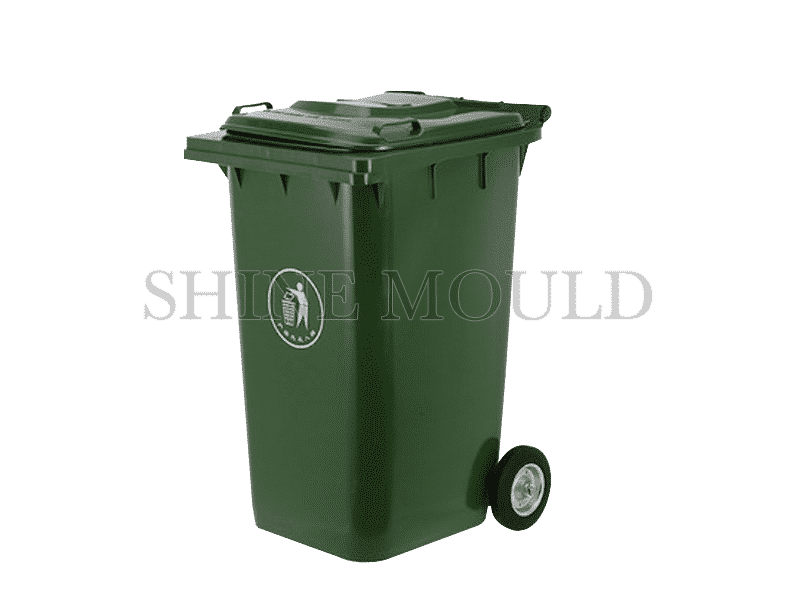
Why Is Plastic Dustbin Mould Important for Outdoor Waste Container Production?
The mould controls much more than shape alone. It affects how pressure moves through the container during production, how evenly the material settles, and how stable the final structure remains after repeated use.
Plastic Dustbin Mould design helps guide material into large cavity spaces without creating major imbalance. Outdoor waste containers are usually larger than common household products, which makes material movement harder to control during injection.
Uneven filling can create weak sections inside the structure. Some areas may cool too quickly while others stay under pressure longer. Those differences may not appear immediately after production, though they often become noticeable later during outdoor handling.
Dustbin Injection Mold layout also affects how consistently each container forms during repeated manufacturing cycles. Lid alignment, wheel positioning, and edge fitting all depend on stable cavity structure.
Wall thickness remains one of the more practical concerns in outdoor container production. Very thin sections may weaken after repeated impact or movement. Very thick sections may cool unevenly and slightly change shape after mould release.
Another important part involves integrated features. Outdoor containers often include molded handles, lifting edges, wheel supports, and reinforced ribs within a single structure. The mould has to form all these areas together while keeping pressure balanced across the cavity.
In day-to-day manufacturing, stable mould behavior often matters just as much as final appearance. Smooth filling and predictable cooling help production continue with fewer interruptions.
What Material Is Commonly Used in Outdoor Waste Container Manufacturing?
Outdoor waste containers usually require materials that can handle both movement and environmental exposure without becoming too rigid or unstable. Plastic materials are widely used because they allow flexible shaping while still supporting larger structures.
Inside Plastic Dustbin Mould cavities, material flow needs to stay balanced during injection. Large container shapes create longer filling paths, especially around corners and reinforced sections. Uneven movement inside the mould can later affect structural consistency.
Outdoor conditions also influence material behavior after production. Sun exposure, moisture, and repeated movement may slowly affect how the surface responds over time. The mould helps prepare for these conditions by controlling wall formation and pressure balance during shaping.
Several material-related factors become important during production:
| Production Factor | Influence on Outdoor Container Use |
|---|---|
| Balanced material flow | Helps maintain even wall support |
| Stable cooling behavior | Reduces shape variation after mould release |
| Controlled cavity filling | Supports stronger corner and rim structure |
| Surface consistency | Helps reduce visible stress marks during use |
Dustbin Injection Mold systems guide material through different sections of the cavity while keeping pressure relatively even across the product body.
Areas near wheel supports or reinforced corners usually require more careful filling control because pressure changes more easily in those sections.
How Does Dustbin Injection Mold Affect Structural Strength?
Strength in outdoor containers comes from structure working together rather than thickness alone. Shape distribution, internal support placement, and balanced pressure all affect long-term performance.
Dustbin Injection Mold systems create reinforcing sections directly inside the product during moulding. Rib patterns near corners or wheel zones help spread pressure across larger areas instead of concentrating it in one point.
Plastic Dustbin Mould layout also affects how the container reacts when moved across uneven ground or partially filled during use. Internal pressure changes constantly during handling. Reinforced sections help reduce bending stress along larger surfaces.
Several parts of outdoor containers usually receive additional structural attention:
- Lower corners exposed to repeated ground contact
- Rim sections used during lifting
- Wheel support areas carrying movement pressure
- Side walls holding shifting internal load
Balanced mould filling remains important throughout production because uneven cavity pressure may create structural differences even when the outside appearance looks acceptable.
Outdoor waste containers are expected to handle repeated daily movement rather than remain stationary. Structural preparation during mould design helps support that kind of long-term use.
Why Does Wall Thickness Consistency Matter in Outdoor Containers?
Wall thickness affects how the container responds to pressure during daily use. Uneven sections may not look serious, though repeated outdoor handling often makes those differences more noticeable over time.
Plastic Dustbin Mould systems help guide material evenly across large cavity areas during injection. Bigger containers create longer filling distances, which increases the difficulty of keeping wall structure balanced.
Thin sections often become weaker near corners or stress points after repeated impact. Excessively thick sections create different issues. Cooling may slow down unevenly, which can slightly affect final shape after mould release.
Dustbin Injection Mold layout helps manage these problems through cavity balance, gate position, and pressure control during filling.
Wall consistency becomes especially important around:
- Lid connection areas
- Wheel support sections
- Reinforced lifting points
- Bottom contact surfaces
Outdoor environments slowly expose weak areas through regular use. Balanced wall formation helps the structure stay more stable through repeated handling and environmental changes.
How Does Cooling Design Influence Outdoor Waste Container Production?
Cooling affects how the structure settles after moulding. Large outdoor containers usually cool at different speeds across different sections. Flat surfaces release heat differently from reinforced corners or wheel areas.
Plastic Dustbin Mould cooling systems help reduce those differences by controlling temperature movement inside the mould.
Uneven cooling may create several common production problems:
- Slight surface distortion near thicker sections
- Shape variation after mould release
- Stress buildup around reinforced structures
- Lid fitting inconsistency during assembly
Dustbin Injection Mold cooling layout helps maintain more stable temperature distribution during production cycles.
In practical manufacturing environments, cooling consistency affects daily workflow as much as appearance. Containers that cool unevenly often require additional adjustment later, which slows handling and reduces production stability.
How Does Material Move Inside a Large Outdoor Container Mould?
Plastic does not enter every part of a mould at the same speed. In small products, the difference may not matter much. Outdoor waste containers are different. The cavity is larger, the corners are deeper, and several reinforced areas interrupt the flow during injection.
Plastic Dustbin Mould design tries to keep that movement as balanced as possible. Once melted material enters the cavity, pressure begins changing from one section to another almost immediately. Corners near the base usually behave differently from wide side walls. Wheel areas also react differently because the structure there is thicker.
A container may leave the mould looking stable, although certain sections already hold more internal stress than others. After months of outdoor handling, those areas sometimes begin changing slightly. Small bending near the rim. Uneven pressure around wheel supports. Minor surface stress close to reinforced corners.
Flow balance becomes especially important around:
- lower corners
- lifting edges
- wheel housing sections
- hinge connection areas
Dustbin Injection Mold layout influences how evenly plastic reaches those sections. Even small changes in gate placement may affect how pressure spreads through the cavity.
Outdoor containers are expected to handle repeated movement for long periods. Because of that, balanced material flow matters far beyond the moulding stage itself.
Why Are Handles Wheels and Hinges Formed During Moulding?
Outdoor waste containers are rarely handled carefully. People drag them across rough ground, pull them quickly toward collection points, and sometimes overload them unevenly. Attached components may loosen over time under that kind of daily use.
For that reason, many structural details are shaped directly during moulding instead of being added separately later.
Plastic Dustbin Mould systems usually form wheel supports, grip sections, hinge areas, and reinforced edges together as part of one body. The structure becomes more continuous, which helps reduce stress concentration around connection points.
Wheel areas carry constant movement pressure. Pavement edges, rough roads, and uneven ground all place force around the axle support zone. Small imbalance in those sections may gradually affect how the container rolls.
Handle sections face another kind of pressure. Weight inside the container rarely stays evenly distributed. During lifting, force shifts suddenly from one side to another. Reinforced shaping around grip areas helps spread that pressure through a wider section of the structure.
Dustbin Injection Mold alignment also affects how the lid behaves after long-term use. A slight variation around the hinge section may later cause uneven closing or unstable lid movement.
Most people using outdoor bins never think about how these details are formed. In production environments, though, those small structural choices matter every day.
Why Does Surface Condition Matter in Outdoor Use?
Outdoor containers spend their entire service life exposed to dust, rain, sunlight, and repeated physical contact. Surface quality affects more than appearance. It also changes how the container ages over time.
Plastic Dustbin Mould cavity condition directly influences the final outer texture after moulding. Tiny marks inside the mould often appear later on the product surface, especially after repeated production cycles.
Large containers cool unevenly by nature. Wide flat walls release heat slowly. Thickened corners cool differently again. Wheel support sections create another variation. Because of that, surface texture does not always settle evenly across the whole structure.
Workers in moulding factories usually pay close attention to several common surface problems:
- slight waviness near reinforced areas
- visible flow lines after injection
- dull sections around thicker corners
- pressure marks close to gate positions
Dustbin Injection Mold systems help control some of these issues through more stable pressure distribution and cooling balance.
Outdoor conditions gradually make surface changes more visible. Dirt collects more easily on rough textures. Repeated contact leaves marks faster on unstable surfaces. Containers stored outdoors for long periods often reveal these differences clearly.
In practical manufacturing, keeping the mould cavity stable and clean becomes part of maintaining product consistency rather than only improving appearance.
Why Does Mould Wear Become a Long Term Production Problem?
Large outdoor container moulds work under constant pressure. The mould opens, closes, heats, cools, and releases products repeatedly throughout production. Over time, wear becomes unavoidable.
Plastic Dustbin Mould durability affects daily manufacturing in a very direct way. Small wear inside cavity edges may slowly change wall balance. Moving sections near ejector systems experience continuous friction during release.
The larger the mould becomes, the harder it is to keep every section under perfectly even pressure. Some areas naturally wear faster than others.
Factory maintenance teams usually pay close attention to:
- sliding sections around release areas
- cavity corners receiving heavy injection pressure
- cooling channels exposed to repeated temperature change
- edge sections controlling lid alignment
Dustbin Injection Mold systems depend heavily on accurate positioning. Even slight alignment movement may later affect lid fitting or wheel placement on the finished product.
Wear often develops gradually. Operators may only notice small changes during mould release or product trimming. Later, the effect becomes easier to see during assembly or stacking.
In long production runs, mould durability influences workflow stability just as much as the plastic material itself.
How Does Communication With a Dustbin Mould Supplier Affect Production?
Adjustment usually continues for some time. Cooling balance may need correction. Flow pressure may require modification. Certain reinforced sections sometimes behave differently once full production begins.
Because of that, communication with the Dustbin Mould Supplier becomes part of the manufacturing process itself.
Plastic Dustbin Mould development involves many details that only become fully visible during actual production. A design that appears stable on paper may still require practical adjustment once the mould enters continuous operation.
Several situations commonly require discussion between the factory and supplier:
- uneven filling near deep corners
- cooling imbalance around reinforced areas
- lid alignment variation after repeated cycles
- pressure changes during large-volume production
Dustbin Injection Mold systems used for outdoor waste containers are usually more sensitive to long-term production conditions than smaller household moulds. Heat buildup, material behavior, and cavity wear all change gradually during operation.
Factories often rely on steady technical communication because production interruptions can spread quickly once mould problems begin affecting output consistency.
In real manufacturing environments, stable cooperation often matters more than short-term adjustment speed.
What Problems Appear Most Often During Outdoor Container Production?
Outdoor waste container production looks straightforward from the outside. In practice, moulding large hollow structures creates several recurring problems during daily operation.
One of the more common issues involves shape movement after cooling. Large side walls may shrink differently from reinforced corners nearby. Even small temperature variation inside the mould sometimes changes the final structure slightly.
Plastic Dustbin Mould systems try to reduce that effect through cooling balance and pressure control, though complete uniformity is difficult in larger products.
Factory operators regularly monitor issues such as:
- side wall deformation after release
- stress buildup around wheel zones
- uneven cooling near thickened structures
- inconsistent lid positioning
Dustbin Injection Mold operation also becomes harder when plastic flow slows inside deeper cavity areas. Material pressure changes constantly during filling, especially in larger moulds with reinforced internal sections.
Many production adjustments happen gradually. Cooling timing changes slightly. Injection pressure is corrected little by little. Gate balance may also require repeated modification before the process becomes more stable.
Outdoor waste containers spend years exposed to movement and weather. Because of that, even small production irregularities often become more noticeable later during use.
Why Are Outdoor Waste Containers Slowly Changing in Design?
Waste collection habits continue changing in many environments. Containers move more frequently between locations and are expected to handle rougher daily handling than before.
Plastic Dustbin Mould design gradually adapts to those practical conditions. Reinforced movement sections, integrated wheel supports, and stronger bottom structures now appear more commonly in outdoor container production.
Mobility affects design more than many people realize. A container that rolls unevenly or tilts during movement creates additional stress across the whole structure.
Dustbin Injection Mold systems now place more attention on balancing handling convenience with structural support. Thick walls alone no longer solve every problem. Weight distribution, reinforcement layout, and wheel positioning all influence long-term use.
Several production trends continue appearing:
- stronger lower support sections
- wider wheel connection reinforcement
- more balanced wall distribution
- integrated lifting structures formed directly during moulding
Outdoor waste containers still look simple in everyday use. Behind the production process, though, the mould structure continues changing quietly to match real handling conditions.
Outdoor waste containers go through constant physical contact during daily use. Dragging, lifting, rolling, sunlight, moisture, and uneven surfaces slowly affect every part of the structure.
Plastic Dustbin Mould design shapes how the container handles those conditions long before the product reaches outdoor environments. Material flow, cooling balance, reinforcement layout, and cavity structure all influence long-term performance.
Dustbin Injection Mold systems support more stable manufacturing by helping maintain shape consistency, fitting accuracy, and structural balance during repeated production cycles.
In practical factory work, mould quality affects far more than appearance alone. It influences how reliably outdoor containers continue functioning after long periods of ordinary outdoor use.