 Search...
 English
How Do You Choose Between Pp and Hdpe for a Laundry Basket Mould
A laundry basket is used almost every day, although the pressure it receives is often different from what people expect. Carrying wet clothes, moving the basket around the room, stacking items inside, or placing it in storage can all affect the basket structure over time.
Material selection becomes an important part of basket design because plastic materials respond differently when they are shaped and used. Some materials allow more flexibility during handling, while others provide a firmer structure when the basket needs stronger support.
PP and HDPE are commonly considered in plastic basket production. Both can be used for laundry baskets, yet their characteristics may influence the final design in different ways. A basket that needs frequent movement may focus on flexibility and comfortable handling, while a basket used under heavier conditions may require more structural support.
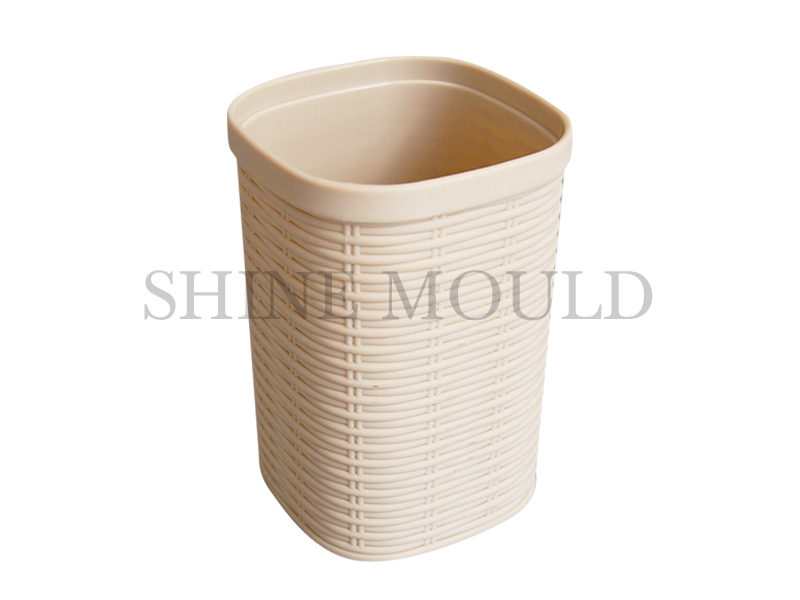
A Laundry Basket Mould needs to match the selected material. During production, mould structure affects wall thickness, handle shape, bottom support, and overall stability. When material properties and mould design work together, the basket can better fit its intended use.
Several questions are usually considered before selecting a material:
- Will the basket be moved frequently?
- Will it carry light or heavier items?
- Does the handle need more flexibility?
- Does the basket need stronger shape retention?
- What type of environment will it be used in?
A household laundry basket and a commercial laundry basket may have similar appearances, although their internal structures can be quite different. Product requirements usually decide the direction of material and mould planning.
How Do PP And HDPE Differ In Laundry Basket Applications
PP and HDPE both belong to plastic materials used in manufacturing, although their performance characteristics are not exactly the same.
PP is often chosen for products that need a lighter feel and a certain level of flexibility. During daily use, laundry baskets made from PP can provide easier handling because the material can slightly respond to bending and movement.
Flexibility can be useful around areas such as handles and side walls. When a basket is lifted, pressure does not stay in one place. A material with suitable flexibility can help reduce sudden force around connection areas.
Typical features of PP include:
- flexible structure
- comfortable handling
- suitable forming ability
- adaptable basket design
HDPE behaves differently. It usually provides a firmer structure, which can help baskets maintain their shape when carrying heavier items or experiencing more impact during use.
Typical features of HDPE include:
- stronger rigid feeling
- stable structure
- good impact response
- suitable support for demanding applications
Choosing between PP and HDPE depends on the purpose of the basket. Material selection should follow actual working conditions instead of focusing only on one material feature.
| Material | Main Characteristics | Suitable Consideration |
|---|---|---|
| PP | Flexible and easy to handle | Daily household laundry use |
| HDPE | Firmer structure and impact resistance | Applications requiring more support |
Material choice also affects later mould planning. A mould designed for one material may need adjustments when another material is introduced because plastic behavior during forming can change.
How Does Material Choice Affect Laundry Basket Mould Design
A mould controls how plastic becomes the final basket shape. Because different materials flow and cool in different ways, mould design needs to consider the selected plastic before production begins.
One important point is material shrinkage. After forming, plastic cools and changes slightly. Different materials may create different levels of shrinkage, which can influence basket size, shape stability, and surface condition.
Wall thickness also requires careful planning. A basket wall that is too thin may create weak areas, while unnecessary thickness may affect production and product handling. A balanced structure helps the basket maintain its shape during use.
Handle design is another area connected with material choice. Handles receive repeated pulling force, so the connection between handle and basket body needs suitable support.
When developing a Laundry Basket Mould, manufacturers usually consider:
- plastic flow direction
- cooling behavior
- wall thickness distribution
- reinforcement position
- handle connection design
For example, a flexible material may allow a different handle structure compared with a harder material. A firmer material may need additional attention around corners or connection areas where pressure can gather.
A mould is not only responsible for creating the basket shape. It also influences how the material performs after forming. Matching mould structure with material characteristics helps create a basket that fits daily use conditions.
What Factors Should Be Considered When Choosing PP Or HDPE
Material selection starts with understanding how the basket will be used. A laundry basket used for occasional storage has different needs compared with one that is lifted and moved many times each day.
Basket Usage
Daily application affects the design direction.
A household laundry basket often needs convenient carrying, comfortable handles, and a practical shape for indoor use.
A basket used in shared areas may experience more frequent handling, which means the structure around the handle, bottom, and side walls requires more attention.
Load Requirement
Weight is another important factor.
Light clothing creates different pressure compared with heavier items. The basket bottom, side support, and handle connection all share the load during carrying.
Material selection should consider how the basket responds during repeated use rather than only how it looks when new.
Appearance Requirement
Material also influences surface appearance and product feeling.
Some applications require smooth surfaces and comfortable touch, while others focus more on structural function. Designers need to balance appearance with practical requirements.
The selection process usually involves several considerations:
- handling comfort
- basket structure
- production process
- expected usage environment
- mould design requirements
PP and HDPE can both be suitable choices for laundry baskets. The important part is creating a connection between material properties, mould structure, and actual application needs.
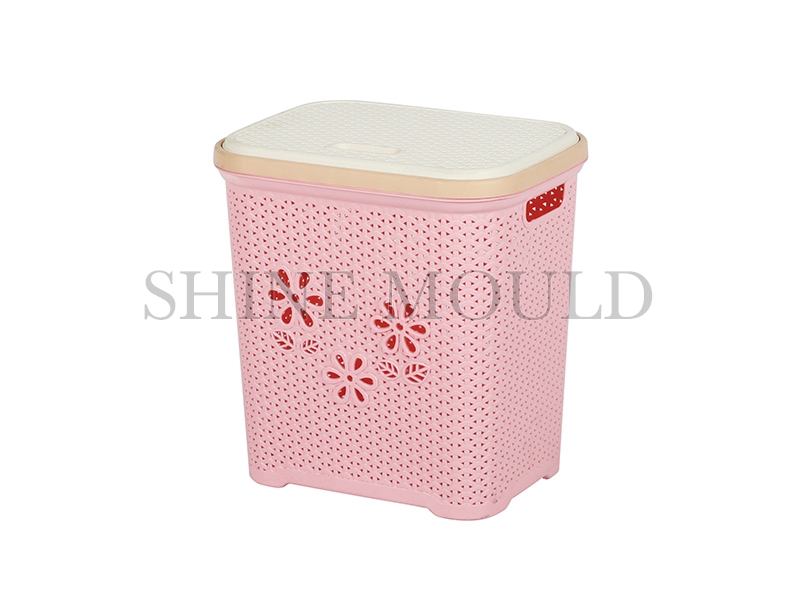
Why Does Basket Structure Change With Different Materials
Switching plastic material often ends up nudging part of the basket design along with it. A mould that works fine for one material may not produce quite the same result once a different material gets swapped in, even when the basket shape looks nearly identical on paper.
The reason tends to trace back to how plastic behaves during production and daily handling. Some materials absorb small movements through flexibility, while others hold a firmer shape and end up transferring force through different areas of the structure instead.
Handle design tends to connect closely with material choice. A flexible material may allow slight movement when the basket gets lifted, which can ease some of the sudden pressure around the handle joint. A firmer material may need more support built into the connection area, since less give in the material generally means more force stays concentrated around that spot.
Side walls need some careful planning too. A wide flat section can bend once weight increases, especially on a basket carried often. Support ribs or adjusted wall shapes tend to help the basket hold its form through regular use.
The bottom section carries its own role in all this. Weight from clothes and other items transfers downward, so the bottom needs enough support to avoid unnecessary bending under that load.
A few structural details show up fairly often:
- Reinforced handle joints
- Support ribs on side walls
- Stable bottom layouts
- Smoother corner shapes
- Properly arranged openings
Ventilation holes often get included in laundry baskets since they allow airflow and make the basket a bit easier to use day to day. Their placement and size need to fit within the overall structure, though — removing too much material from one spot can weaken the sections nearby.
Material selection and basket structure tend to go hand in hand rather than working as separate decisions. Even a suitable material still depends on thoughtful mould planning to actually show off the characteristics it's chosen for.
How Does A Basket Mould Factory Adjust Production For Materials
Production tends to follow the behavior of whichever plastic gets chosen. A Basket Mould Factory usually studies the material's characteristics before locking down mould details.
PP and HDPE can behave differently during forming. Differences in flow, cooling, and shrinkage tend to influence the final basket shape, so mould settings and structural details often need some adjustment to match.
During mould development, trial production helps check whether the basket design actually works once it leaves the drawing board. Problems that are hard to spot on paper sometimes surface only once actual forming gets underway.
Manufacturers often check areas such as:
- Handle connection points
- Basket wall thickness
- Bottom support areas
- Overall shape stability
Small adjustments can shift the final result more than expected. A slight change to a support area may improve how pressure spreads through the basket. A corner adjustment may reduce stress gathering during an impact.
A Basket Mould Factory also has to think about long-term production conditions, not just a single sample. A mould shouldn't just produce one good-looking piece — it needs to keep delivering stable results across repeated manufacturing runs.
When a basket's intended purpose shifts, mould planning tends to shift along with it. A basket meant for light storage and one meant for frequent carrying often call for fairly different structural solutions.
What Common Problems Appear When Material And Mould Do Not Match
Problems with laundry baskets aren't always caused by the plastic itself. In plenty of cases, the real issue traces back to a mismatch between the material's features and the mould's structure.
Basket Deformation
A basket can lose its original shape when the structure isn't quite built to handle the pressure that comes with regular use.
Possible reasons include:
- Insufficient support areas
- Unsuitable wall thickness
- Material selection that doesn't fit the use case
- Weak bottom structure
A basket used for frequent carrying tends to need a different structure than one mostly sitting still for storage.
Cracking Around Handles
Handle areas take on repeated pulling force over time. When the connection between handle and basket body isn't designed with enough care, cracks can start showing up around the joint.
Common causes include:
- Limited support near the handle
- Uneven material distribution
- Sudden shape changes
- Handle thickness that doesn't suit the load
The handle rarely works in isolation from the rest of the basket body. Side walls and connection areas share in that lifting force too.
Uneven Surface Condition
Surface problems can show up when plastic doesn't fill or cool evenly inside the mould. Issues like this can affect both appearance and structural integrity.
Mould condition, material flow, and production control all play into the final surface result.
Weak Areas In The Structure
Some weak points aren't obvious just from looking at the basket. Thin sections, corners, and connection areas tend to draw more attention during review, since pressure often gathers there more than elsewhere.
Looking at the complete structure helps identify likely causes. Focusing on just one part in isolation may not fully explain why a basket fails during use.
How Can Manufacturers Balance Cost Structure And Product Use
Basket production involves more than picking a material and cutting a mould. The finished product needs to balance practical use, production requirements, and structural needs all at once.
Piling on more material throughout the basket isn't always the right move. Extra thickness can change how comfortable the basket feels to carry and can affect production conditions too.
Many designs focus instead on placing support specifically where pressure actually builds up. A reinforced handle connection, a steadier bottom section, or a better wall layout can improve the structure without touching every part of the basket.
Worth keeping in mind:
- Material selection
- Mould planning
- Production process
- Carrying comfort
- Expected usage conditions
A laundry basket needs to fit into daily habits reasonably well. Users generally care about whether it's easy to carry, simple to store, and able to handle normal household tasks without much fuss.
PP and HDPE each carry their own characteristics. Choosing between them tends to call for looking at the whole product picture rather than zeroing in on one single feature.
How Should Buyers Discuss Material Selection With A Basket Mould Factory
Before mould development gets underway, clear communication about product requirements tends to cut down on adjustments later in the process.
Buyers usually need to explain things like:
- Where the basket will be used
- How often it'll be moved around
- What type of items it'll typically carry
- Whether the basket needs more flexibility or sturdier support
A Basket Mould Factory can put this information to use when planning mould structure and production methods.
A home laundry basket, for instance, may lean toward comfortable handles and a lighter structure. A basket meant for a working environment may call for more attention toward repeated loading and movement instead.
Material selection deserves a realistic conversation too. PP and HDPE both suit different applications, though they tend to push design in somewhat different directions.
A practical laundry basket really comes out of cooperation between material choice, mould structure, and actual usage requirements. When these pieces line up reasonably well, the basket tends to handle daily conditions better while still keeping a sensible, workable design.