 Search...
 English
How Does Plastic Basket Mould Prevent Basket Cracking
Plastic baskets are used in ordinary daily work more often than people notice. Grocery carrying, household storage, factory sorting, market transport, and farm use all put different kinds of pressure on the same basic shape. Once a basket starts to crack, the problem usually shows up at the places that carry the real load, not in the empty middle section.
A basket can look fine when it is sitting on a shelf, yet the situation changes once weight is added. Handles begin to pull, side walls start to flex, and corners take more force than they did during normal handling. Small shape details decide whether the basket stays steady or begins to split after repeated use.
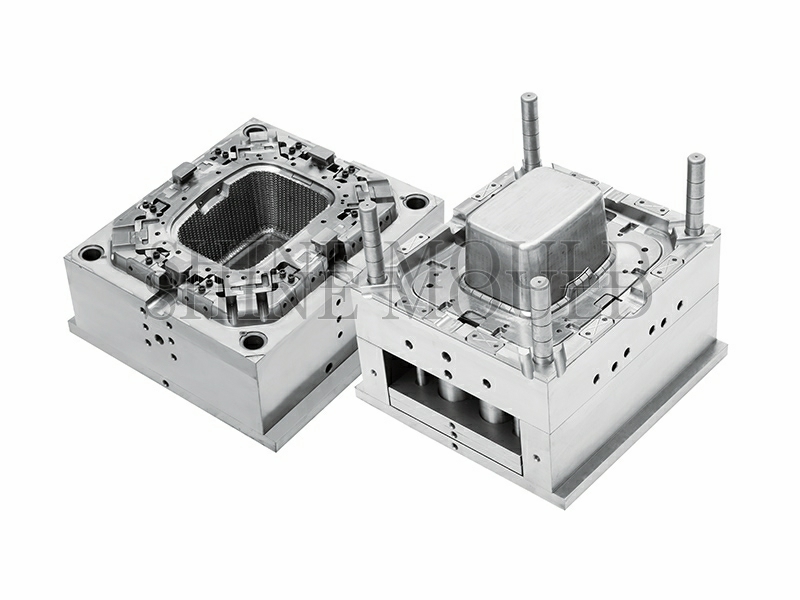
A Plastic Basket Mould has a direct effect on that result. It determines the wall shape, the handle area, the bottom support, and the way material spreads through the basket body during forming. When mould design leaves weak zones, the finished basket can crack even when the plastic itself seems suitable.
Cracking usually appears in places where force gathers again and again. A carrying handle, a corner, or a thin wall section may carry more stress than the rest of the basket. Good structure spreads that pressure instead of leaving it in one point.
Several design details matter during production:
- how material is distributed across the basket
- how the handle joins the body
- how strong the side walls remain under pressure
- how the bottom supports weight during carrying
A basket meant for light home storage does not need the same layout as one used for heavier goods. Daily use tells the real story, so structural design has to follow the job the basket will actually do.
How Does A Plastic Basket Mould Affect Basket Strength
The mould does more than give the basket its shape. It decides how the plastic flows, where thickness stays even, and where support areas are formed. Small differences in those parts can change how the basket behaves after it leaves the machine.
A basket with uneven wall thickness may carry load well in one area and fail in another. That kind of imbalance often leads to cracking after repeated lifting or stacking. A well-planned mould helps keep the structure more even from one side to another.
Ribs and raised support lines are also formed by the mould. They may look like simple design details, though they help the basket keep its shape when pressure builds up. A flat wall without enough support bends more easily than a wall with better structure.
Handle areas need even more attention. If the handle connection is too narrow or the transition is too sharp, load will collect there during carrying. That becomes a common place for cracks to start.
| Design Area | Influence On Basket Structure |
|---|---|
| Wall thickness | Affects shape stability under load |
| Handle connection area | Carries lifting pressure |
| Rib structure | Adds support to side walls and bottom |
| Corner design | Changes how stress moves through the basket |
A Plastic Basket Mould needs to reflect both shape and working condition. A basket that is meant for regular carrying should not rely only on the outer form. Internal structure matters just as much, since that structure decides how the basket reacts when weight is placed inside it.
What Design Features Help Plastic Baskets Carry Heavy Loads
Basket strength comes from a group of small design choices working together. A strong-looking basket is not always the one that handles load well. In many cases, the useful details are hidden in the wall shape, handle layout, and corner form.
Reinforced Handle Area
Handles are often the place to show stress. Every time a basket is lifted, the handle connection has to absorb pulling force and send it into the rest of the body. If that area is weak, cracks often appear after repeated use.
A stronger design usually uses a wider connection area and smoother shape changes around the handle. That gives the force more room to spread out instead of collecting in one small point.
Rib Structure
Ribs work like support lines inside the basket body. They help the wall and bottom stay firm when the basket is filled. Without that extra support, large flat areas bend more easily and may start to fatigue over time.
Rib placement needs balance. Too little support leaves the basket weak. Too much in the wrong place can make production harder or affect how the basket is used.
Rounded Corners
Sharp corners can become stress points when the basket is loaded, dropped, or stacked. Rounded corners move pressure more smoothly through the shape and reduce the chance of cracks forming at sudden angles.
Practical basket design usually combines these features rather than depending on one part alone. Handle support, wall thickness, rib layout, and corner shape all need to fit together.
Why Is Handle Design Important For Basket Durability
A basket handle sees repeated pulling, turning, and lifting. Even when the basket body is strong, a poor handle connection can shorten the product life very quickly.
The handle area needs to transfer force into the basket wall without creating a weak point. A narrow connection or sudden change in shape can put extra stress on one section. After repeated use, that section may crack before the rest of the basket shows any damage.
Handle durability is shaped by several factors:
- size of the connection area
- smoothness of the transition into the body
- even material flow during moulding
- balance between handle and wall thickness
Daily use matters as well. A basket that is carried with heavy goods again and again needs more support around the handle than one used only for light household items.
The handle should work together with the side wall instead of pulling against it. That idea sounds simple, though it is one of the main reasons some baskets last longer than others in real use.
How Does Material Flow During Moulding Influence Cracking
The way plastic moves inside a mould has a close connection with the final basket structure. During production, material needs to fill different areas of the mould evenly so that the finished basket can keep a balanced shape.
When material does not spread properly, some areas may become weaker than others. Thin sections, uneven corners, or poor connection points can create places where pressure gathers during use.
A basket may not show problems during the few uses. After repeated carrying, stacking, or impact, weak areas can gradually become visible through cracks or deformation.
Material flow is affected by several conditions:
- mould structure
- filling direction
- cooling process
- wall design
Cooling is also an important stage. Different parts of a basket may cool at different speeds, and uneven cooling can create internal stress. Over time, those areas may have difficulty handling repeated force.
A suitable mould design helps control how material reaches each part of the basket. Areas such as handles, corners, and reinforced sections need enough support because they usually receive more pressure during daily use.
Manufacturers need to consider both the production process and the final application. A basket designed for carrying goods needs different structural planning compared with a basket mainly used for storage.
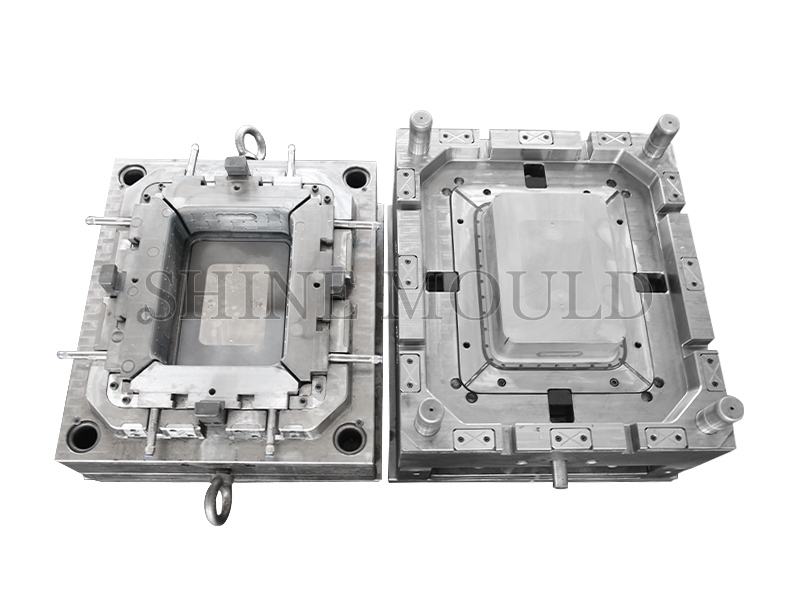
What Manufacturing Factors Affect Basket Mould Quality
A basket mould influences the final product from the beginning of production. Small changes in mould preparation can affect the shape, surface condition, and structural details of the basket.
An experienced Basket Mold Supplier usually needs to consider the product purpose before creating the mould. Different basket uses require different structures, so mould planning cannot be separated from the way the basket will be used.
Several manufacturing factors can influence mould quality:
- Mould Design Preparation
Before production starts, designers need to consider wall thickness, handle position, reinforcement areas, and overall basket shape. A clear structure helps reduce possible weak points later. - Processing Accuracy
A mould contains many small details that affect the final basket. Accurate processing helps keep those details consistent, especially around areas that carry more force. - Surface Condition
The inside surface of a mould affects how the plastic basket appears after forming. A suitable surface condition also supports smoother production. - Trial Production Adjustment
Before regular production, trial runs can show whether the basket structure works as expected. Problems with shape, thickness, or connection areas can be adjusted during this stage.
| Manufacturing Factor | Possible Influence |
|---|---|
| Mould preparation | Affects basket structure planning |
| Processing condition | Influences shape accuracy |
| Surface quality | Changes product appearance |
| Trial adjustment | Helps improve structural details |
A Basket Mold Supplier needs to look beyond the mould itself. Understanding the basket application helps create a structure that matches real handling conditions.
How Can A Basket Mold Supplier Support Different Basket Applications
Different baskets are made for different tasks. A small storage basket used indoors faces different pressure compared with a basket used for transporting heavier goods.
For household storage, appearance and convenient handling may receive more attention. The basket may need smooth edges, comfortable grips, and a practical shape for daily organization.
Shopping baskets usually require repeated lifting and movement. Handle structure and body support become important because users carry them frequently.
Industrial and agricultural baskets may face heavier loads and rougher conditions. In such cases, the bottom structure, side wall support, and connection points need more careful planning.
A Basket Mold Supplier needs to understand these differences when working on mould development. The same basket shape cannot always meet every application because working conditions change.
Common application differences include:
- load type
- carrying frequency
- storage environment
- handling method
Communication between buyers and mould suppliers helps clarify these requirements. Information about how the basket will be used allows the mould structure to match the actual purpose more closely.
What Common Design Problems May Cause Plastic Basket Cracking
Cracking does not always come from one single reason. In many cases, several small design problems combine and create weak areas.
Weak Handle Connection
A handle carries repeated pulling force. When the connection area is too small or lacks enough support, cracks may appear around the joint.
Uneven Wall Thickness
A basket wall with uneven thickness may not distribute pressure evenly. Thin sections can become easier points for damage during carrying.
Poor Reinforcement Layout
Ribs and support structures need suitable placement. Support added in the wrong area may not help the basket handle pressure effectively.
Incorrect Structural Matching
A basket designed for one purpose may not perform well in another environment. Using a light storage design for heavy carrying can create extra stress on the structure.
Finding the cause of cracking requires looking at the whole product design. Handle shape, wall structure, mould condition, and usage habits all need to be considered together.
How Do Designers Balance Strength And Practical Use
A basket needs to be strong enough for daily handling while remaining practical for production and use. Adding material everywhere is not always the right solution because it may affect weight, appearance, and production conditions.
Good design focuses on placing support where it is needed. Reinforced handles, stable corners, and suitable wall structures help the basket carry pressure without making the whole product unnecessarily heavy.
Designers usually consider several aspects:
- expected load condition
- carrying comfort
- storage needs
- production process
- material usage
A basket that works well in daily situations comes from a balance between structure and practicality. The mould, material flow, and product design all influence how the final basket performs.
Understanding these design details helps manufacturers and buyers make better decisions when developing plastic basket products. A suitable structure can reduce cracking risks and create a basket that fits its intended use.