



 Search...
 English
How Plastic Basket Mould Creates Ventilated Basket Designs
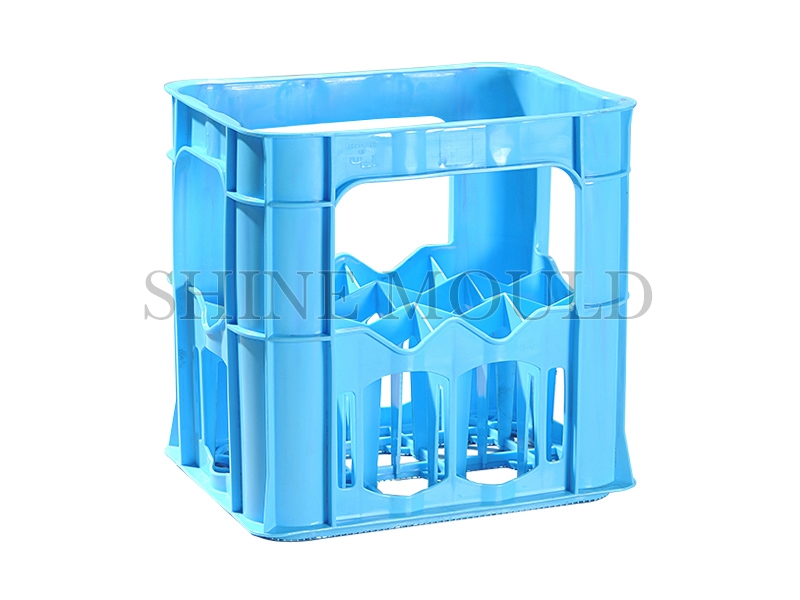
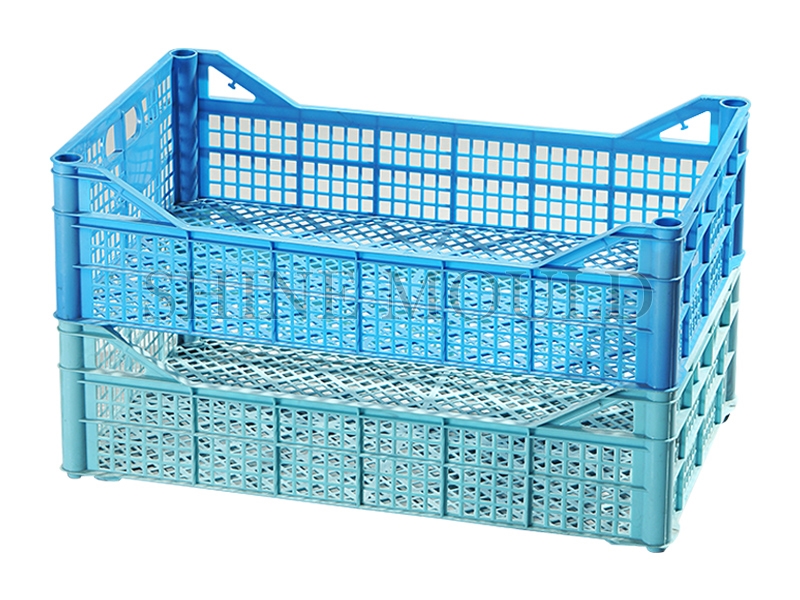
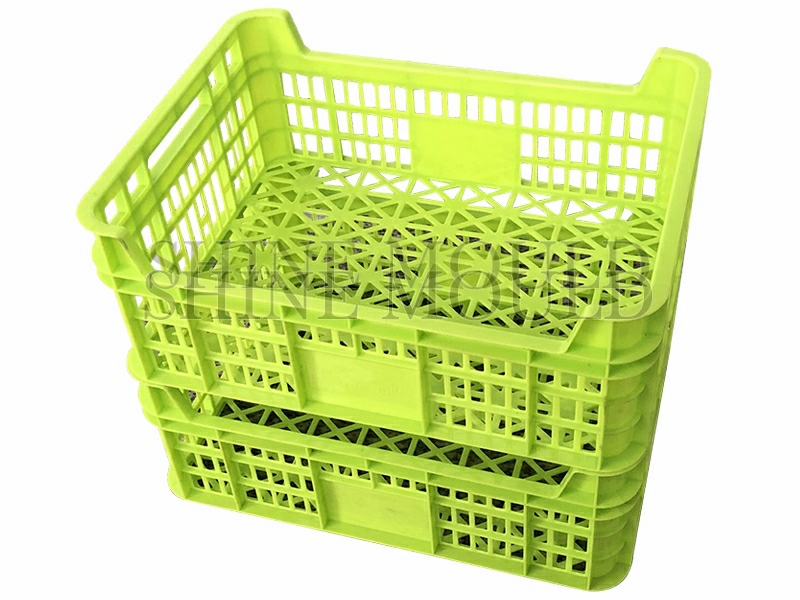
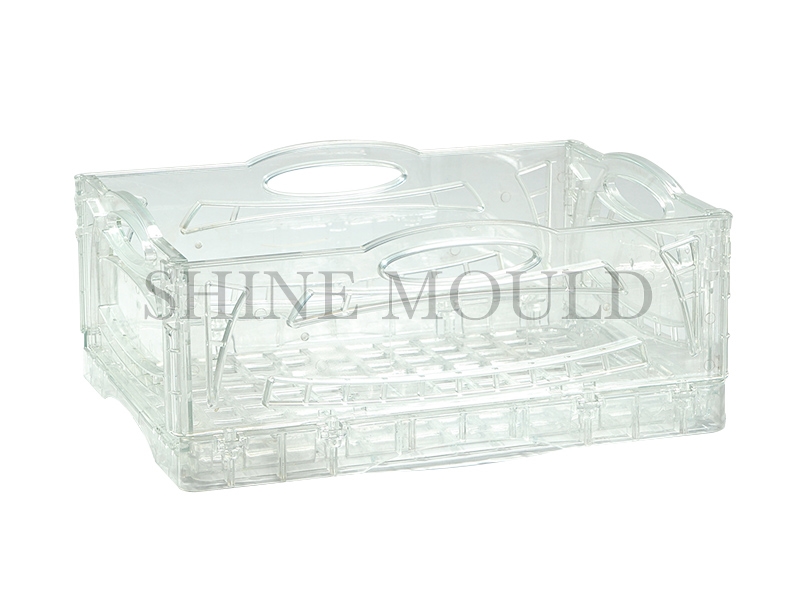
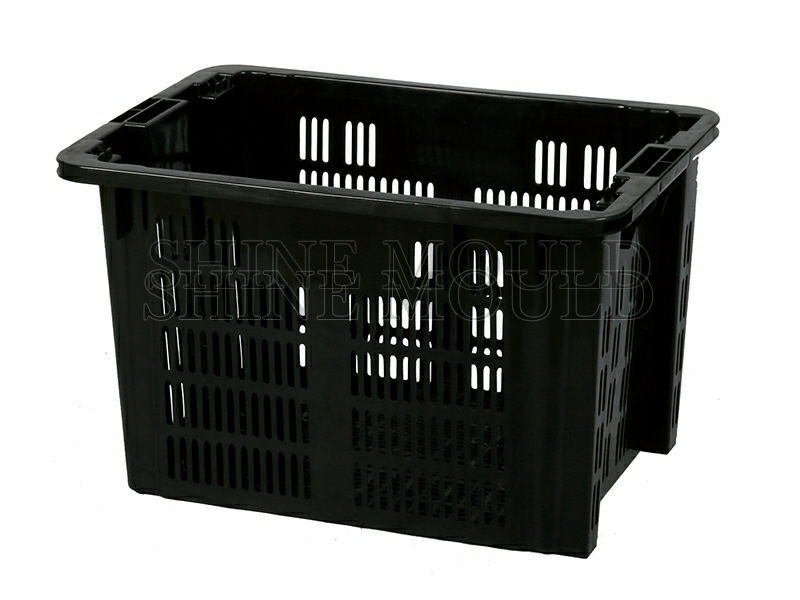
Ventilated baskets appear in many everyday settings, from home storage to carrying goods in small workshops and markets. Open areas on the basket surface let air move through, which helps the basket feel lighter and more practical in use. Visibility also improves, so stored items are easier to check without opening or moving everything around.
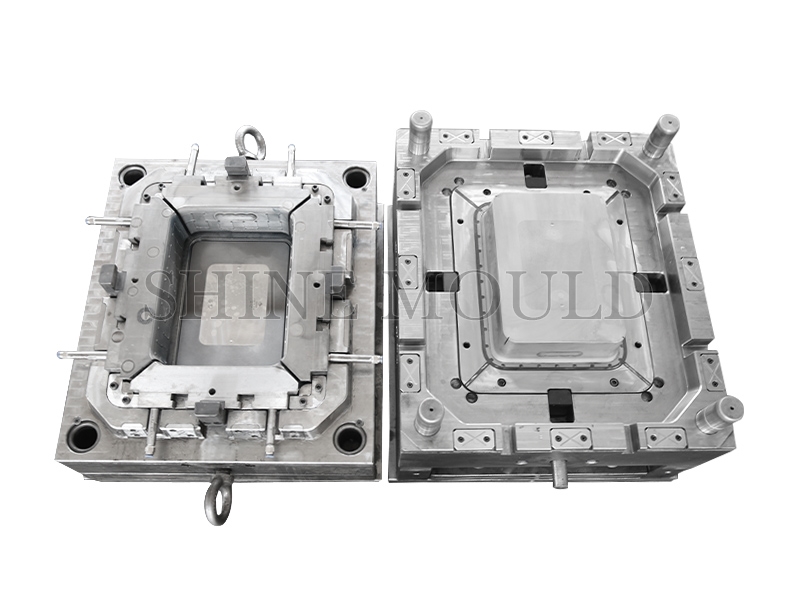
Behind that familiar shape sits the mould, and a Plastic Basket Mould does far more than give the basket its outline. Hole position, wall thickness, corner form, handle shape, and surface texture all come from mould planning. Once one part changes, the whole basket can feel different in use.
Ventilation is not only a matter of adding openings. A basket with too many gaps may lose support, while another with too few may feel closed and less useful for daily storage. The design needs balance, and that balance usually depends on how the basket will be used.
A basket made for indoor storage may need more focus on appearance and easy access. A basket used for carrying goods may need stronger sides and clearer support lines. Because of that, mould planning often starts with use conditions rather than the surface pattern itself. A Basket Mold Supplier usually works from that point as well, since different basket purposes call for different mould details.
How Does Plastic Basket Mould Shape Ventilation Design
Ventilation design begins long before the basket leaves the mould. Opening size, spacing, and position all need to connect with the frame, instead of sitting on top of it as decoration. A good layout can make the basket feel open and useful without weakening the body.
A wide hole pattern may help airflow, though the surrounding walls still need enough support to keep the basket steady during use. If openings sit too close together, some areas may become weak or uneven. If they are too far apart, airflow and visibility may not be enough for the intended purpose.
Basket use often decides how the openings are arranged. Storage baskets usually need clear visibility, while transport baskets often need stronger walls around the open areas. Laundry baskets may call for better airflow, since moisture release becomes part of the daily function.
Several parts usually need attention during mould design:
- Opening layout: affects airflow, appearance, and balance.
- Wall thickness: supports the open areas and helps keep shape.
- Corner structure: links different sides and often bears extra stress.
- Handle area: needs to stay comfortable while still fitting the mould shape.
A Plastic Basket Mould brings these parts together into one structure. When the layout is planned well, the basket can look simple while still serving a clear function. When one section is rushed, the whole result may feel less steady.
What Design Factors Affect Ventilated Basket Mould Production
A ventilated basket may look light and simple from the outside, yet its mould usually involves many small choices. Shape, size, opening pattern, and support lines all need to work together before production begins.
Basket size changes the mould plan quite a bit. A larger basket usually needs stronger support around open sections, while a smaller basket may focus more on easy carrying and compact storage. Shape matters too, since round, square, and rectangular baskets place different demands on the wall and corner areas.
Opening design must stay connected with the rest of the basket body. A hole pattern that looks clean on paper may create trouble if the surrounding material is too thin. On the other hand, extra thickness around every opening may make the basket feel heavier than needed. The right balance depends on the basket's purpose and the material being used.
Mould planning usually checks points such as:
- overall size and basket shape
- spacing between openings
- support areas around open sections
- connection points near corners and handles
- smooth release after moulding
Surface detail also affects how the basket feels in daily use. Rounded edges can make handling more comfortable. Regular opening patterns can help the basket look neat. Even a small change in one section may alter the way the basket sits in the hand or stacks with other baskets.
How Does Mould Precision Affect Basket Opening Quality
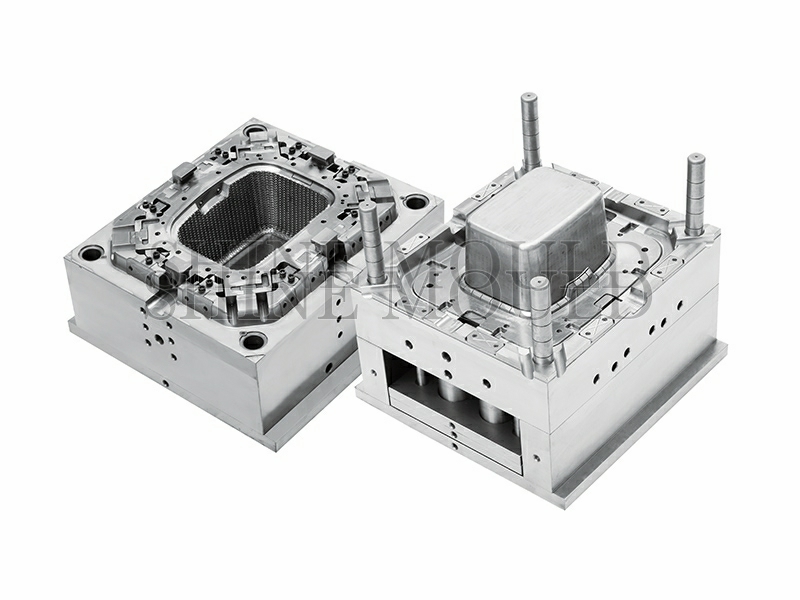
Ventilation holes are one of the parts users notice quickly, so opening quality matters. A clean edge gives the basket a more finished appearance and usually makes handling easier. Uneven edges or poor alignment can make the product feel less refined, even when the main shape is correct.
Mould precision also affects the areas around the holes. Support ribs, border lines, and side walls all need to stay connected so the basket keeps its shape. If the mould is not accurate enough, openings may shift slightly, which can change both appearance and function.
Small details often make a bigger difference than expected:
- opening position should stay consistent
- edges should feel smooth instead of rough
- support areas should connect evenly
- surface changes should not interrupt the basket shape
A Basket Mold Supplier that understands these points can help turn a product idea into a workable mould structure. Clear communication at the early stage often reduces later changes, especially when the basket needs both visual balance and practical use.
Ventilated basket design may seem simple at a glance, though the mould behind it carries a large part of the final result. Once the mould structure is set well, the basket can keep its shape, show clear openings, and fit the kind of use it was made for.
Why Do Different Applications Require Different Ventilated Basket Designs
A basket may look simple from the outside, yet once its use changes, the design often changes with it. A storage basket, a laundry basket, and a carrying basket do not face the same conditions, so the opening pattern, wall strength, and overall shape cannot stay exactly the same.
Ventilation is one of the details that shifts with use. Some baskets need wider open areas so air can move through more freely. Others work better with smaller openings, especially when the contents need a little more support or protection. The right balance is usually found by looking at daily use rather than appearance alone.
Storage baskets often need clear visibility. A user may want to see what sits inside without moving everything around. Laundry baskets lean more toward airflow, since damp items need space to release moisture. Transport baskets usually ask for stronger sides and firmer corners, because carried items can place extra pressure on the body.
A Plastic Basket Mould has to follow those differences. Hole arrangement, wall thickness, and support placement all change according to the basket's purpose.
| Application | Ventilation Design Focus | Structure Consideration |
|---|---|---|
| Storage Basket | Visibility and airflow | Balanced walls for regular handling |
| Laundry Basket | Moisture release and easy access | Stable shape with comfortable carrying points |
| Agricultural Basket | Air movement and item protection | Strong areas around the open sections |
| Transport Basket | Safety during movement | Reinforced edges and connection points |
Once the application is clear, mould planning becomes easier to shape around it. One pattern does not suit every basket, and that is where small design changes start to matter.
How Does A Basket Mold Supplier Support Plastic Basket Development
Turning a basket idea into a workable product takes more than a shape drawing. A Basket Mold Supplier usually helps connect product needs with mould structure, especially when the basket has a specific use in mind.
Early communication usually starts with practical questions. What will the basket hold? How often will it be moved? Does the design need more airflow, more strength, or a little of both? Questions like these guide the mould structure before production begins.
Several points often come up during development:
- what kind of items the basket will carry
- how much airflow the basket needs
- which areas need extra support
- how the basket will be lifted or stacked
- what kind of surface detail suits the product
Material choice also affects the mould plan. Different materials behave differently during production, so opening size, wall thickness, and corner support may all need adjustment. A small change in one area can affect the whole basket once production starts.
At that stage, edge smoothness, opening position, and support balance can be checked more clearly. Small corrections at this point often save time later.
A Basket Mold Supplier works as a bridge between product idea and factory process. Clear discussion and careful checking usually make the mould easier to match with the intended basket use.
What Challenges Should Be Considered During Plastic Basket Mould Design
Open basket designs bring a few common challenges. Once ventilation holes are added, the structure has less material in some areas, so support becomes more important than it might seem at a glance.
Strength around the openings is usually one of the main concerns. If too much material is removed from one section, the basket may lose balance during use. Added support can help, though too much reinforcement may make the basket feel heavier or less open.
Production stability matters as well. A basket with uneven wall thickness or complicated curves may be harder to mould cleanly. When the structure stays balanced, production tends to move more smoothly.
Mould release is another point that often gets attention. If the basket has many openings, corners, or raised details, the finished product still needs to come out of the mould without trouble. That part of the process affects the basket surface and the final shape.
Common design checks include:
- support around ventilation holes
- corner strength
- handle connection areas
- balance between open and solid sections
- smooth release after moulding
A good mould design usually comes from looking at the whole structure instead of one detail at a time. When the open parts and solid parts work together, the basket feels more stable in daily use.
How Can Plastic Basket Mould Adapt To Changing Product Requirements
Basket use continues to shift as storage habits and carrying needs change. Some baskets are made for home organization, while others are used for moving items from one place to another. That difference often leads to different shapes, opening patterns, and structural choices.
A mould that can adapt to new requirements gives manufacturers more room to respond. Small changes may involve opening size, handle position, wall layout, or the shape of the corners. Even a modest adjustment can change how the basket feels in use.
Ventilation patterns also play a part in appearance. A clean opening layout can make a basket look lighter, while a denser arrangement may give a more closed and stable impression. Both can work well, depending on the product purpose.
Plastic Basket Mould design tends to change along with user needs. A structure that can handle variation more easily gives product development a little more flexibility without forcing a complete redesign each time.
A ventilated basket may look straightforward once it is finished, yet the mould behind it carries the structure. Opening pattern, wall balance, support points, and corner design all shape how the basket performs after production.
Plastic Basket Mould gives the basket its basic form, while a Basket Mold Supplier helps connect that form with real production needs. That connection matters when the basket has to balance airflow, handling comfort, and strength in everyday use.
As basket applications continue to vary, mould design has to stay practical. Careful planning around ventilation, support, and release conditions helps create baskets that fit different uses without making production harder than it needs to be.
.jpg)
